


Beaded Bracelets for Everyday Wear: Styles and Materials
Best Beaded Bracelets for Women for Everyday Wear
The best beaded bracelets for women for everyday wear stay comfortable for a full day, fit without pinching, and hold up to ordinary movement. Appearance matters, but regular use exposes weak points quickly. A bracelet that spins, snags, or feels heavy by lunchtime rarely gets worn.
Five factors decide how a beaded bracelet performs: construction, bead size and weight, material, fit, and care. Construction covers stretch cord, adjustable cord, and clasp designs. Material covers glass, gemstone, pearl, metal, and gold filled components, and each one reacts differently to skin, water, and friction.
Styling and maintenance complete the decision. The sections below compare styles, explain sizing, clarify what gold filled actually means, and outline realistic care, so a bracelet can be judged by its specifications and not only by its photos.
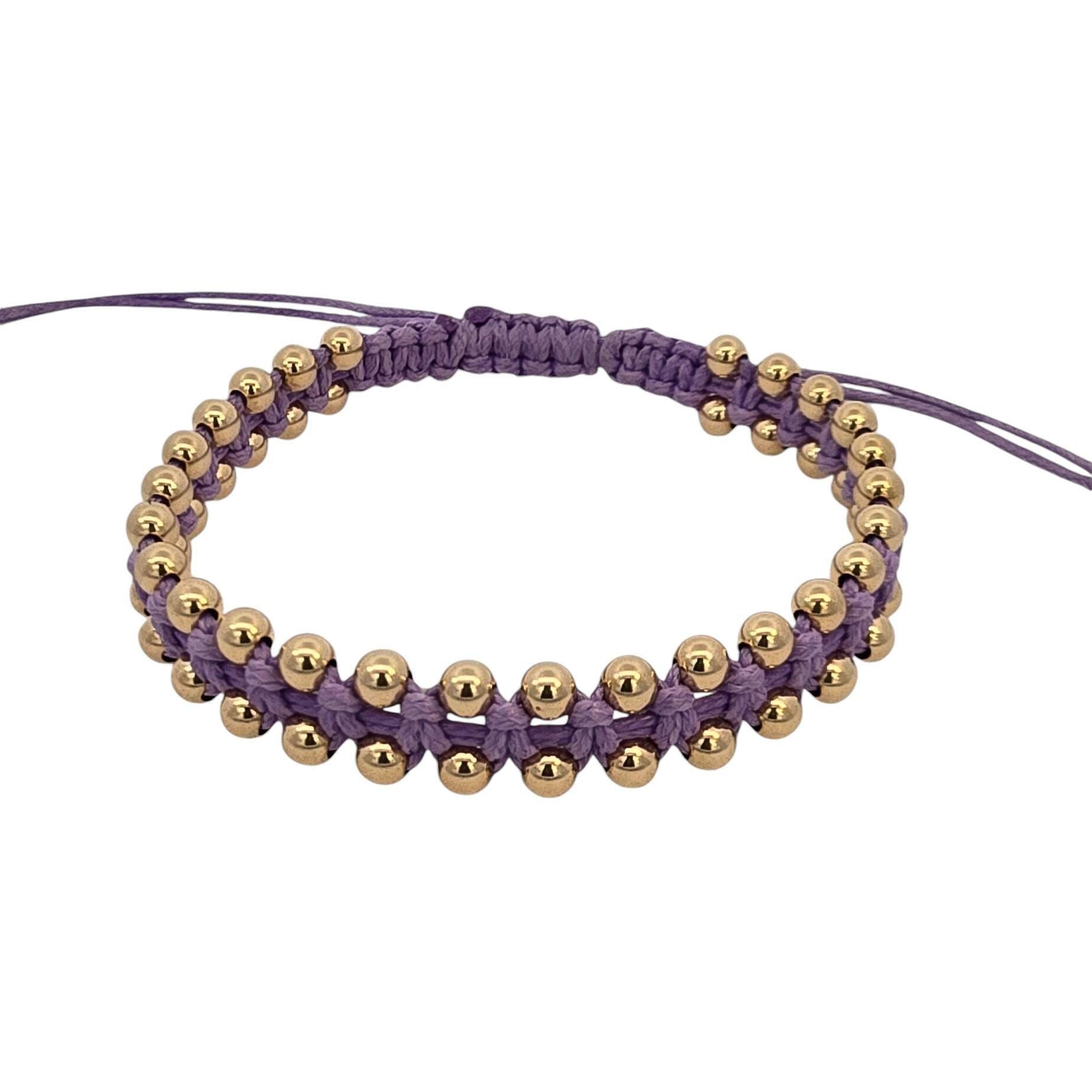
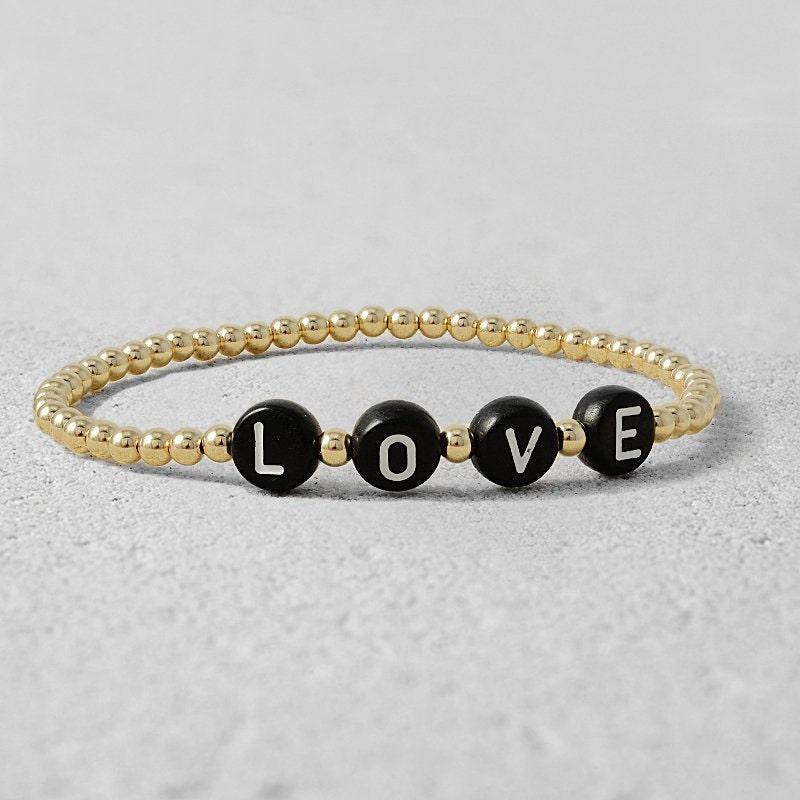
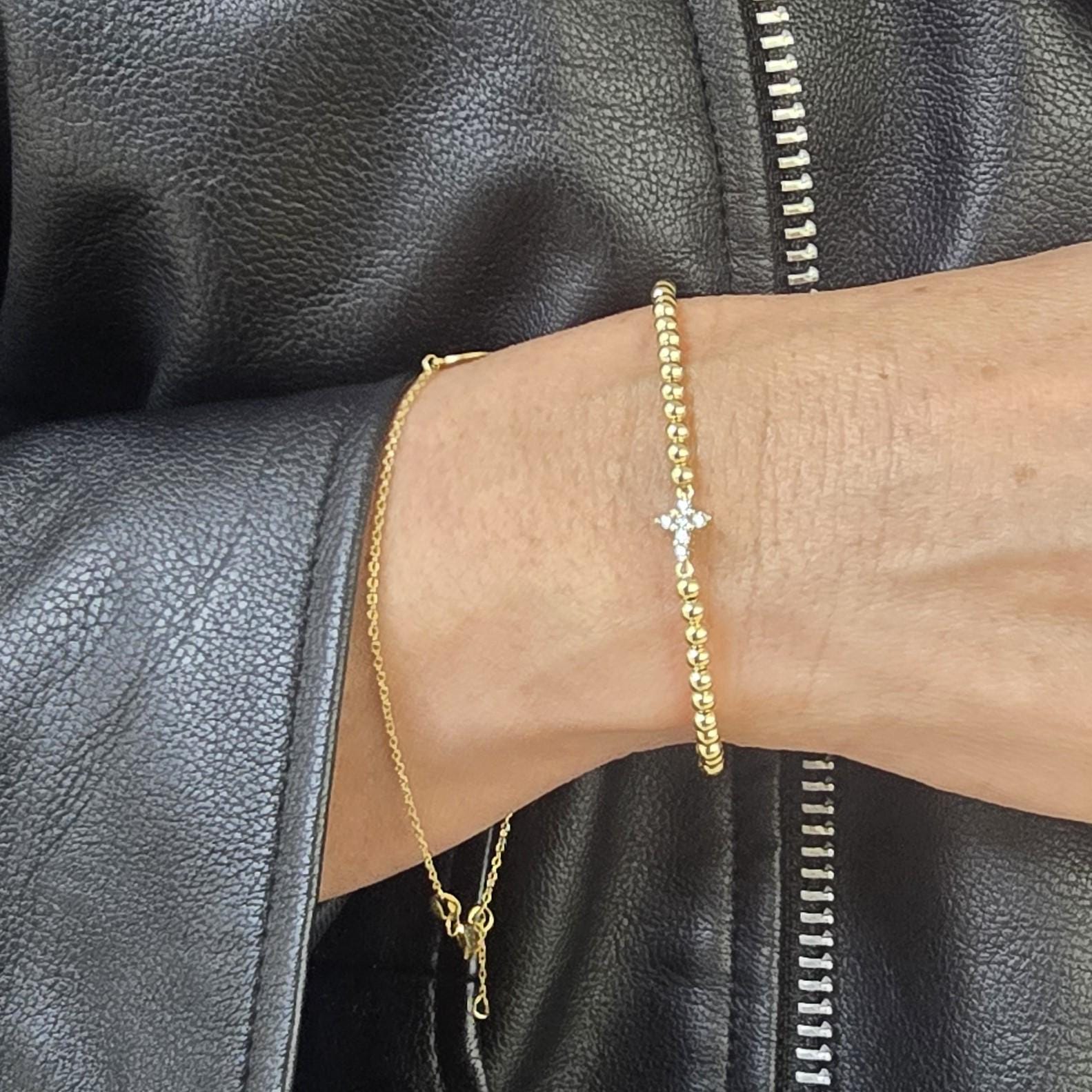
What Makes a Beaded Bracelet Suitable for Everyday Wear?
Comfort starts with the surface that touches the skin. Smooth, evenly drilled beads rest flat on the wrist, while rough drill holes, sharp edges, or bulky knots can irritate skin by the end of the day.
Weight comes next. A bracelet with many large beads slides toward the hand, knocks against desks, and tires the wrist. Lighter builds stay in place, which is why fine beads and small metal beads suit everyday bracelets so well.
Flexibility matters because wrists bend, press against surfaces, and swell slightly in warm weather. A bracelet that moves with the wrist is less likely to dig in than a rigid, tight strand.
Secure construction means the cord, knots, and any clasp can handle repeated putting on and taking off. Look for tidy knots, no visible fraying, and a clasp that closes firmly. No construction is unbreakable, so some wear over months of use is normal.
Last, test it against the real day. A decorative bracelet can look excellent and still be impractical if it catches on knit sleeves, clicks against a laptop, or feels heavy during a long shift.

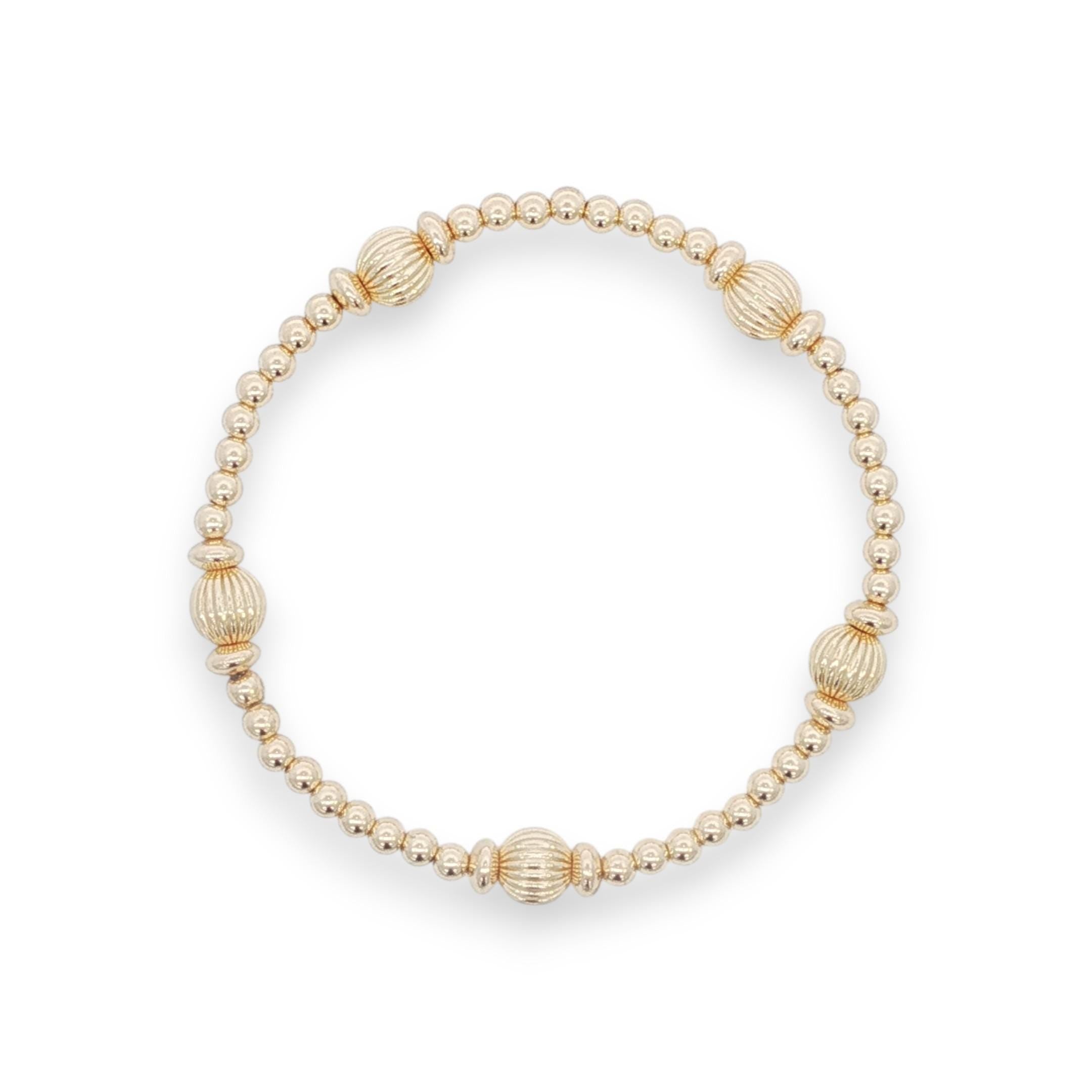
Different Types of Beaded Bracelets
Small, Delicate Beaded Bracelets
Beads of roughly 2 to 4 millimeters create a light, quiet look that rarely interferes with sleeves or desk work. The tradeoff is cord strength, since very fine cord may need replacing sooner than a thicker one.
Larger-Bead and Statement Designs
Beads of 8 millimeters and above make the bracelet the focal point of an outfit, and a single piece can work alone. They are also heavier, more likely to knock against surfaces, and harder to wear under fitted cuffs, so many people save them for lighter days.
Stretch Beaded Bracelets
Stretch bracelets use elastic cord and have no clasp. The weak point is the cord: repeated stretching, moisture, oils, and rolling over a wide hand can weaken elastic over time, and cord thickness and knotting vary between makers.
Adjustable-Cord Bracelets
A sliding knot lets one bracelet fit a range of wrist sizes, and the fit can change through the day. Sliding closures can loosen with movement, and the cord may fray where it passes through the knot. They suit people who value flexible sizing over a precise fixed fit.
Bracelets With Charms or Pendants
A single charm adds a focal point without large beads. Charms can snag on knitwear and drift to the underside of the wrist, so check how the charm is attached, since a weak jump ring is a common failure point.
Mixed-Material and Multicolor Designs
Combining glass, stone, pearl, and metal beads adds color and contrast, and one shade usually matches something already in the outfit. Mixed materials wear at different rates, though. Pearls and softer stones may show wear sooner than metal or glass on the same strand.
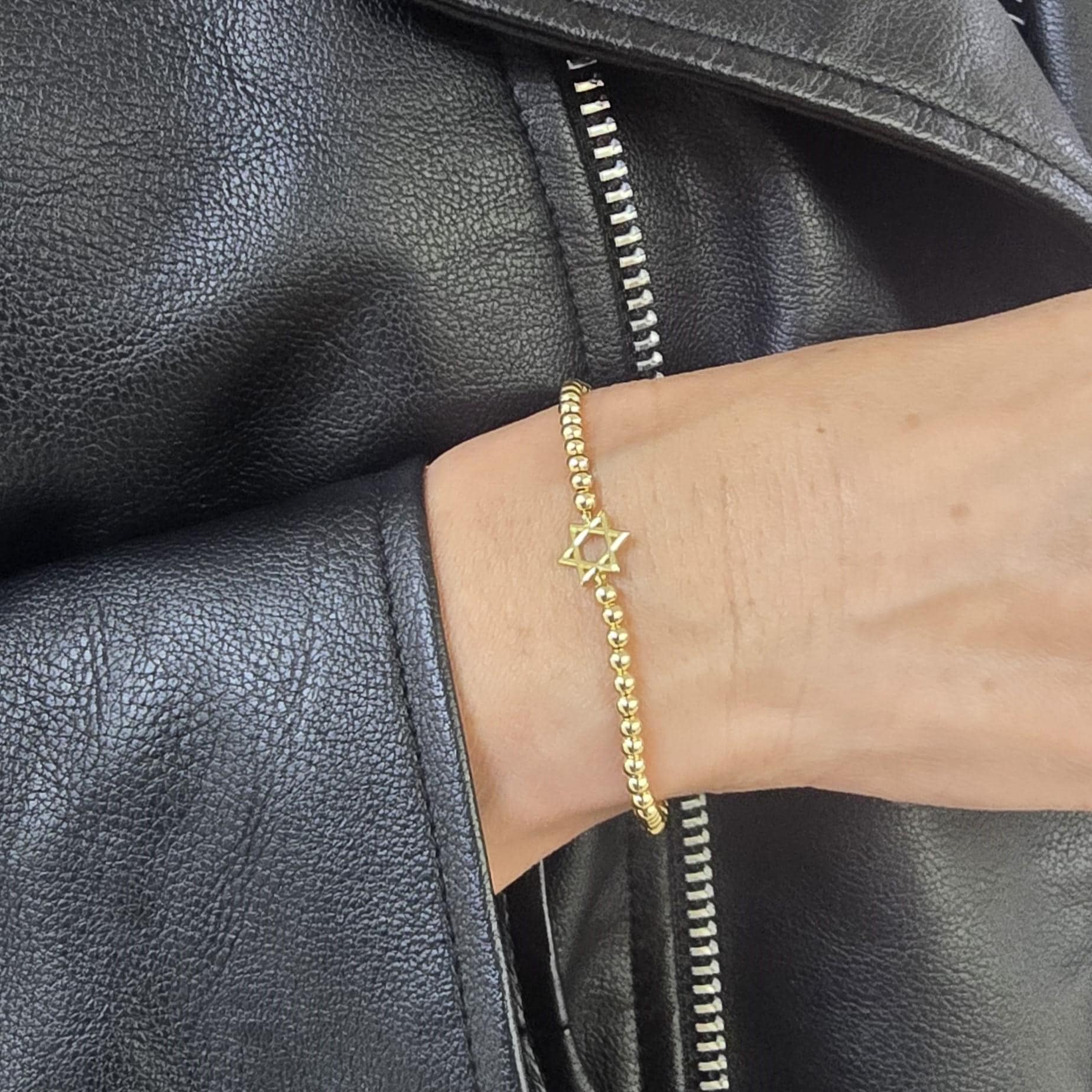
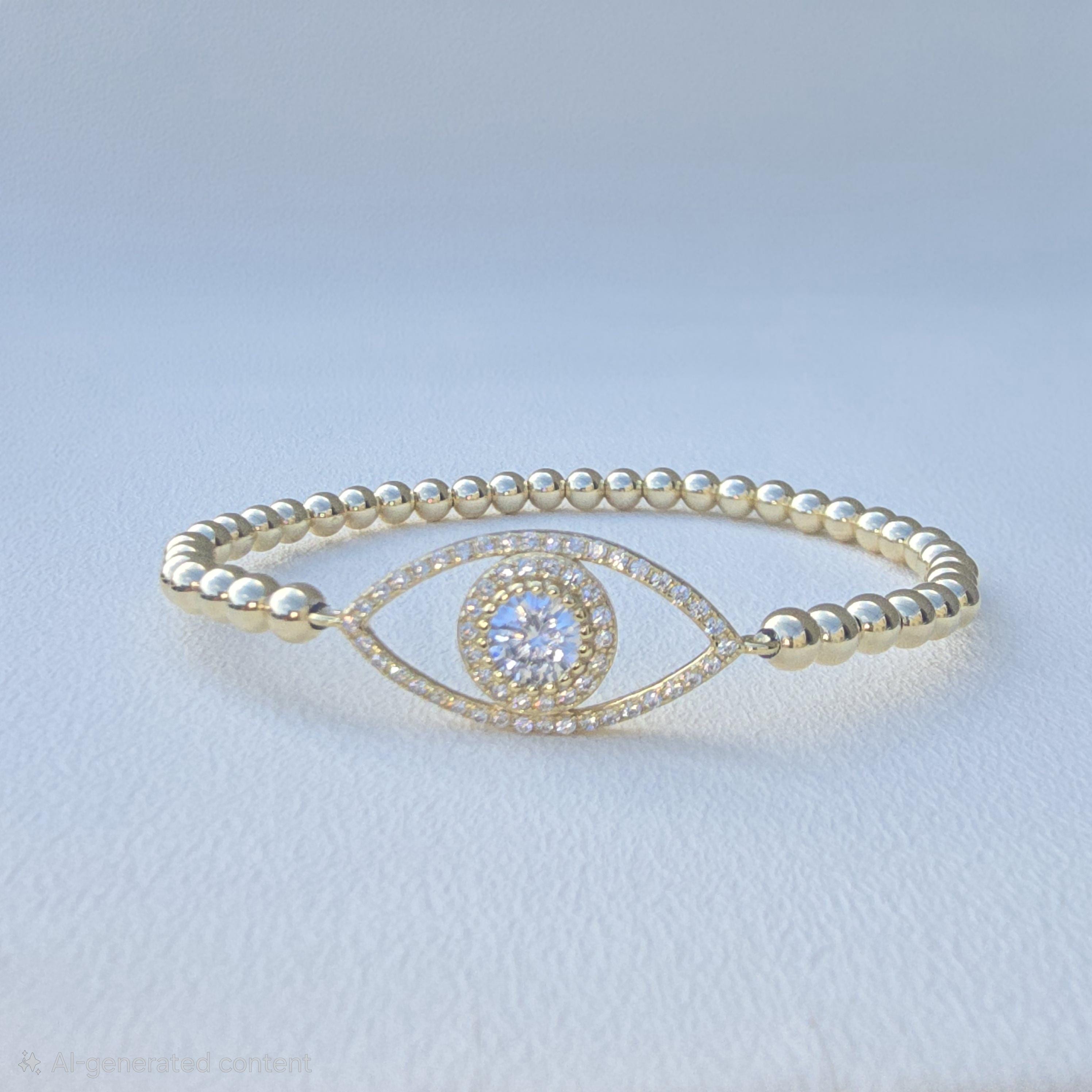
Gold Filled Beaded Bracelets
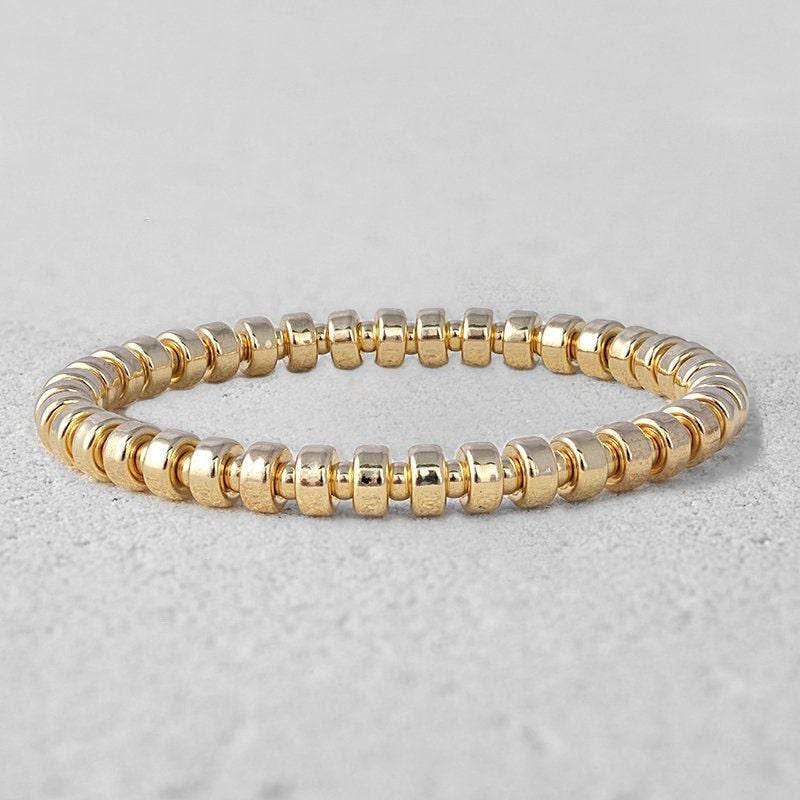
Gold filled beads give a warm metallic finish with a much thicker gold layer than ordinary plating. They pair easily with casual and work outfits and sit well beside pearls or gemstones. A gold filled bead strung on weak cord is still only as durable as the cord, so cord type and bead weight matter alongside the metal.
How to Choose Bead Size, Weight, and Fit
Smaller beads produce a subtle, even surface, while larger beads add visual weight and draw the eye. Shape matters too: round beads roll smoothly, and faceted, cube, or disc beads sit flatter and catch light differently.
To measure, wrap a soft tape or a strip of paper around the wrist just above the wrist bone and note the circumference. Seller size charts differ, so check whether the listed size means inside circumference, total bracelet length, or the wrist size it is designed for.
Too tight shows up as red marks, tingling, pressure, or difficulty removing the bracelet. Too loose shows up as constant spinning, sliding over the hand, or catching on objects. A stretch bracelet should sit snug without deep impressions, and a clasp bracelet should allow a fingertip underneath, though that is a rough check and not a rule for every design.
No single sizing rule works for every construction, because stretch cord relaxes, adjustable cord changes, and clasp bracelets are fixed. Read the product's own sizing details, and if the wrist falls between sizes, decide whether the style should sit close or hang loose.
Materials: What Should Buyers Compare?
Glass beads are affordable and consistent in color, but they can chip or crack on impact and feel heavier than expected. Gemstone beads vary naturally in color and pattern, and hardness differs widely, so a soft or porous stone needs more careful handling than a hard one.
Freshwater pearls have a nacre layer that is sensitive to perfume, hairspray, acids, and sweat, so they do best when wiped after wear and stored separately. Metal beads, whether brass, stainless steel, sterling silver, or gold filled, add durability but can add weight, and surfaces may scratch or tarnish depending on the metal.
Read descriptions closely. Terms such as "crystal," "stone," or "gold tone" can describe very different materials, and "gold color" does not mean gold. A reliable listing names the material of each bead, the cord, and any metal components.
Understanding Gold Filled
Gold filled jewelry has a layer of gold mechanically bonded to a base metal, usually brass, through heat and pressure. It is not solid gold throughout, and it is not the same as ordinary gold plating.
In the United States, gold filled items are generally labeled with a karat and a fraction, such as 14/20, meaning 14 karat gold makes up one twentieth of the item's weight. That layer is considerably thicker than most plating, which is why gold filled pieces often last longer under regular wear.
|
Type |
How it is made |
What to expect |
|
Gold filled |
A thick layer of gold bonded to a base metal with heat and pressure |
A durable surface that can still wear through with heavy friction |
|
Gold plated |
A very thin layer of gold deposited by electroplating |
A thinner surface that can wear away faster, especially at edges |
|
Solid gold |
Gold alloy throughout the piece |
Consistent color all the way through, usually at a higher price |
Construction and care instructions still matter. The core metal can show if the surface wears down, and a gold filled bracelet is not automatically safe for swimming, showering, workouts, or sleeping. The manufacturer's instructions for the specific product should decide how it is worn.
Before buying, verify the karat and fraction, the core metal, whether the beads are hollow or solid, the cord or clasp type, and the care instructions. Shoppers who have checked those points can compare construction, bead sizes, and finishes across a range of gold filled bracelet options.
Styling Beaded Bracelets for Everyday Outfits
Bead size does most of the styling work. Small beads read as texture and blend with almost anything, while a single large-bead bracelet becomes the accessory the outfit has to make room for.
With tees, denim, and knitwear, a relaxed stretch bracelet in glass or gemstone looks natural. For the office, small metal or pearl beads tend to look polished and stay quiet against shirt cuffs.
Neutral outfits give color room to show, so one or two colored beads against black, white, or beige look intentional. Colorful or printed clothing works better with restraint, since metallic or single-tone strands sit comfortably beside patterns while a busy multicolor bracelet competes with them.
A beaded bracelet and a watch can share a wrist. Place a slim bracelet beside the watch with a small gap, or wear the beaded piece on the opposite wrist. Hard beads and metal can scratch a watch case or crystal, so avoid pressing heavy beads against the watch face.
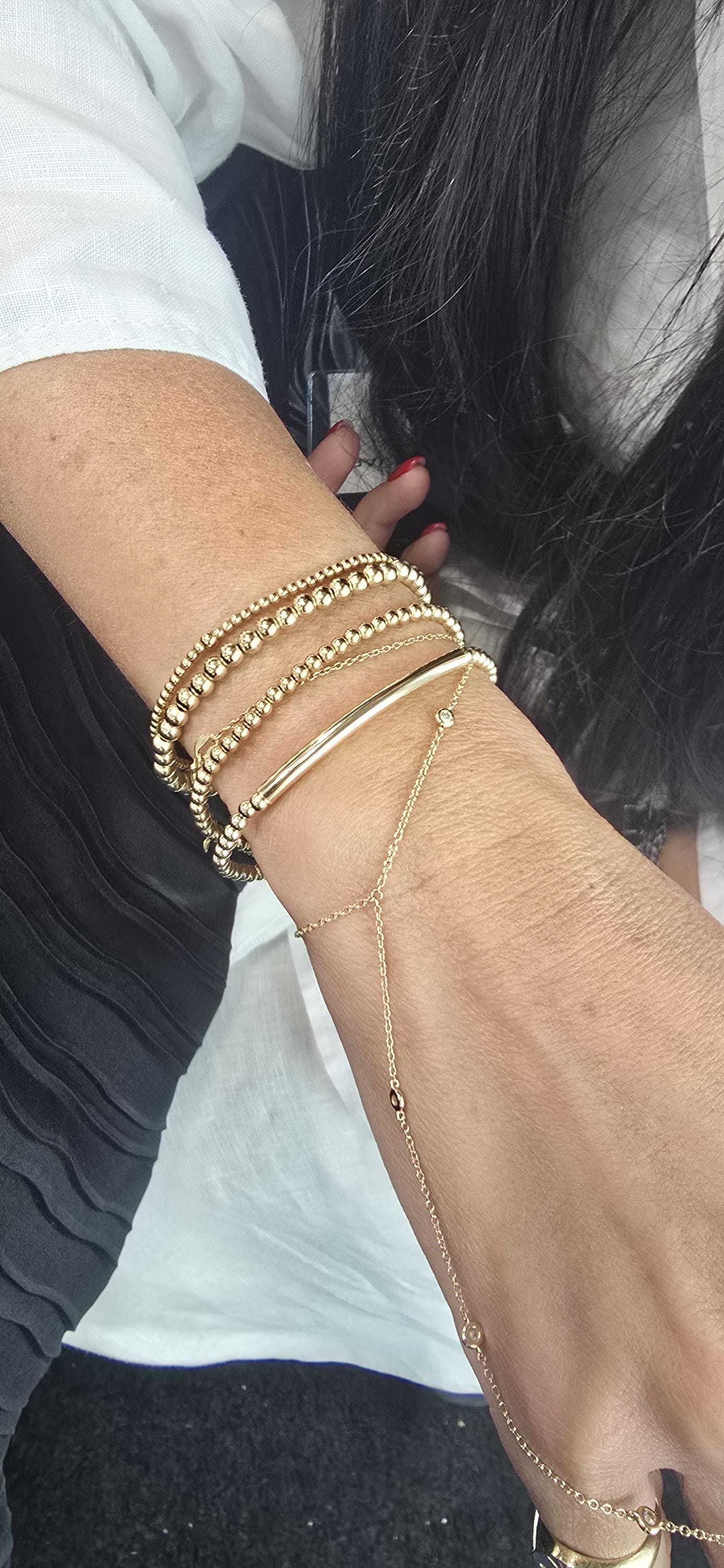
For stacks, vary bead size and texture but keep one dominant piece.
Are Beaded Bracelets Practical for Daily Activities?
Commuting brings friction. Bag straps, seatbelts, and coat sleeves rub against bracelets and can wear cords and dull surfaces, which a slim bracelet handles better than a bulky strand. Desk work adds impact, since wrists rest against edges and laptops and hard beads can click, scratch, or chip.
Household tasks involve water, soap, heat, and cleaning chemicals. Moisture can weaken elastic and fiber cords, and chemicals can dull certain finishes and damage pearls, so taking bracelets off before washing dishes or cleaning is a safer habit.
Exercise combines sweat, impact, and stretching, and travel adds tangling in loose bags and slight wrist swelling on long flights. Salt and moisture can affect cord and some metals, and a bracelet can catch on equipment. Remove jewelry for lifting, machine work, or contact sports, where snagging becomes a safety issue.
How to Care for and Store Beaded Bracelets
Wipe bracelets with a soft, dry cloth after wearing to remove oils and residue, and put them on after lotion, perfume, and hairspray, since those products can build up on beads and degrade cord.
Cleaning depends on the material. Metal beads can usually be wiped with a slightly damp cloth, with a drop of mild soap for visible residue. Pearls need a soft, slightly damp cloth and immediate drying, with no harsh chemicals or ultrasonic cleaners. Porous gemstones and dyed beads usually do better with minimal contact with water.
Soaking is risky for any strung bracelet because cord can absorb water and weaken. Avoid abrasive pads, bleach, ammonia, and polishing agents unless the maker confirms they suit the material.
Store bracelets in separate pouches or compartments so harder beads do not scratch softer ones. Lay stretch bracelets flat or place them loosely in a container, since hanging them on hooks can stretch the cord out of shape. Keep them away from heat, direct sunlight, and humid rooms.
Inspect bracelets regularly for frayed or discolored cord, widening gaps between beads, loose knots, worn clasps, bent jump rings, and chipped beads. Catching a worn cord early is easier than recovering beads from a bracelet that has already broken.
Common Buying Mistakes to Avoid
The most frequent error is skipping the dimensions. A bracelet that looks right in a photo can be too small or too loose in person, so compare the listed measurements with the actual wrist measurement.
Ignoring bead weight is a close second. Heavy beads look fine on a screen and feel tiring after a few hours, so check bead diameter and material before assuming a design will be comfortable.
Confusing gold filled with solid gold or gold plated leads to wrong expectations about price and care. Look for a karat and fraction in the description instead of vague terms like "gold finish."
Assuming all stretch bracelets share the same durability is another trap. Cord thickness, knot quality, and bead weight vary, and a design that suits a quiet office day may not survive a busy schedule.
Finally, choosing on appearance alone can leave a bracelet unworn. A piece that pinches or snags is less useful than a simpler design that stays comfortable all day.
Conclusion
Choosing beaded bracelets for everyday wear comes down to a few practical checks. Construction decides how well the bracelet handles repeated wear, and bead size and weight decide comfort. Materials affect appearance, care, and durability, and an accurate fit keeps the bracelet from spinning, pinching, or slipping off.
Styling is easier once those basics are settled, since bead size, color, and the number of pieces shape the final look. Regular care and inspection keep cords, knots, and clasps in good condition, and following product-specific instructions gives a bracelet the best chance of staying in regular rotation.
FAQs
Are beaded bracelets suitable for everyday wear?
Yes, many beaded bracelets work for everyday wear when the construction, materials, and fit suit regular use. Lightweight designs with secure cord and smooth beads are usually the most practical. Suitability depends on the specific bracelet and daily activities, so follow the maker's care instructions.
What type of beaded bracelet is most comfortable?
Lightweight bracelets with smooth, small to medium beads and a flexible fit are usually the most comfortable. Stretch designs have no clasp, and adjustable cords allow fine-tuning.
Are small-bead bracelets better for daily use?
Small beads are often more practical because they are lighter and less likely to snag or knock against surfaces. However, very fine cord can wear sooner, so a small-bead bracelet is a better choice only when the construction is also sound.
How should a beaded bracelet fit?
A beaded bracelet should sit comfortably on the wrist without leaving deep marks or restricting movement. Stretch styles should feel snug, while clasp or adjustable styles can have a little room. Constant spinning means it is too loose, and redness or tingling means it is too tight.
Are stretch beaded bracelets durable?
Stretch beaded bracelets can last a long time, but durability varies with cord quality, knotting, and use. Moisture, oils, repeated stretching, and rolling over a wide hand can weaken the elastic.
What is the difference between gold filled and gold plated bracelets?
Gold filled jewelry has a thick layer of gold bonded to a base metal with heat and pressure, while gold plating is a much thinner layer applied by electroplating. Gold filled surfaces generally wear more slowly. Neither is solid gold, and care instructions matter for both.
Can beaded bracelets be worn with a watch?
Yes, either on the opposite wrist or beside the watch with a small gap. Slim bracelets work best next to a watch, and hard or heavy beads should not press against the watch face, since they can scratch the case or crystal.
How should beaded bracelets be cleaned and stored?
Wipe them with a soft cloth after wear and clean according to the bead material, avoiding soaking and harsh chemicals. Pearls and porous stones need especially gentle handling. Store bracelets separately, laid flat or loose, away from heat, sunlight, and moisture.
Share
