Flash Sale 70% Off
Give customers details about the banner image(s) or content on the template.
Write your store's popup content

Finding the best bracelets for women in 2026 looks different than it did even two or three years ago. Fewer people are chasing every trend that shows up on social media. More are choosing pieces that actually fit their daily life and their wardrobe.
At Isabella Celini, we spend a lot of time looking at what women reach for again and again versus what ends up sitting in a drawer after a few wears. That gap tells you more about a bracelet than any trend report does.
Below, we break down what's actually worth buying this year: which bracelet trends 2026 have real staying power, which materials hold up, and how to put together a small collection that covers everyday wear, work, and special occasions without turning into clutter.
Before getting into specific styles, it helps to talk about what actually matters when choosing a bracelet this year.
Versatility tops the list. The best bracelet styles work across multiple outfits and occasions, from a coffee run to dinner out. A bracelet that only pairs with one outfit isn't doing enough work for the drawer space it takes up.
Durability has become non-negotiable too. Nobody wants jewelry that tarnishes within weeks or turns skin green after one humid afternoon. Materials like gold filled and sterling silver hold up to typing, hand washing, and the general wear of a busy week far better than thin plated pieces do.
Comfort matters more than people used to admit. A bracelet that pinches, catches on sleeves, or feels heavy on the wrist stops getting worn pretty quickly. The pieces that stick around are the ones you forget you have on after the first few minutes.
Personal expression rounds it out. Generic, one-size-fits-all jewelry doesn't have the same pull it once did. Women want women's bracelet styles that feel like their own, whether that leans minimal, bold, or somewhere in between.
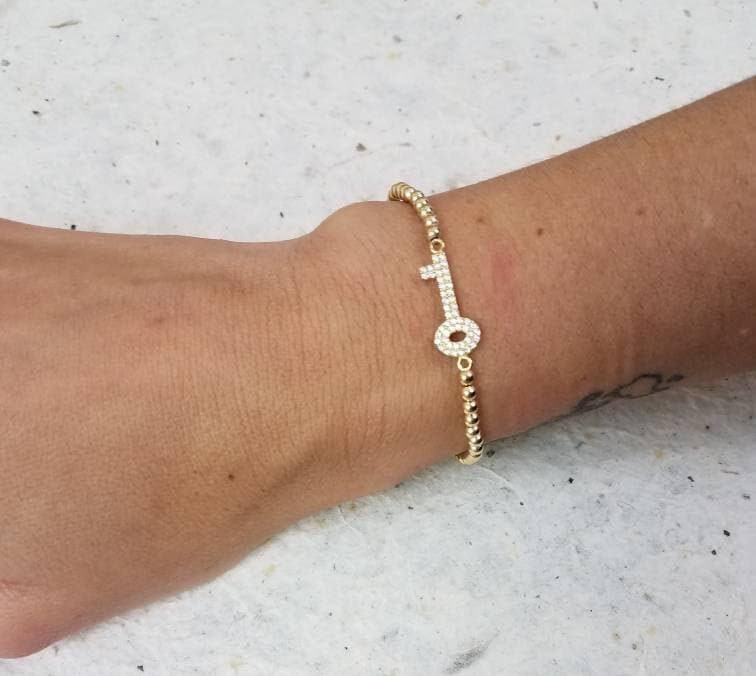
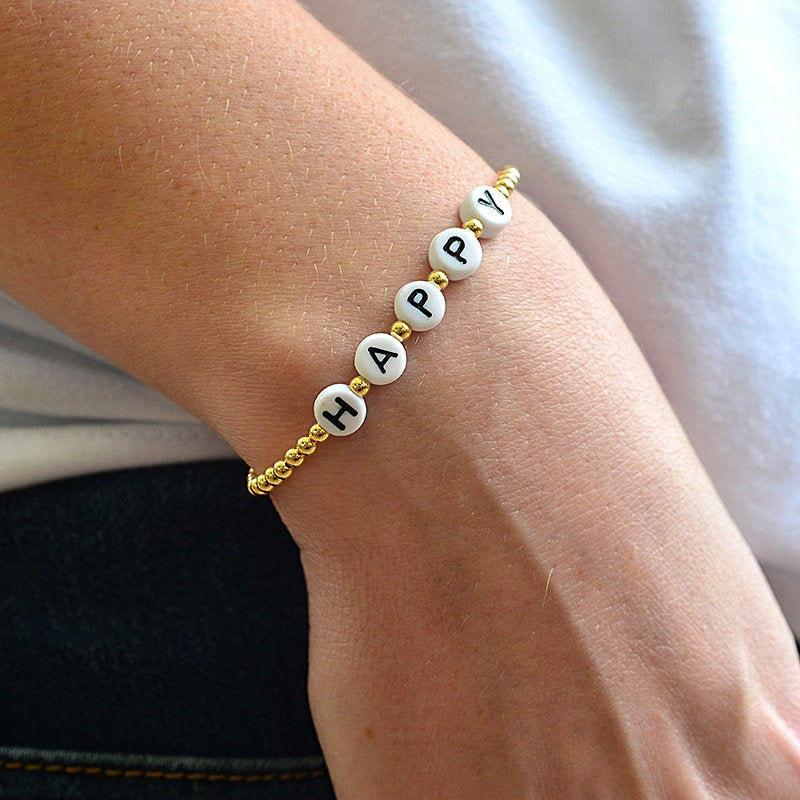

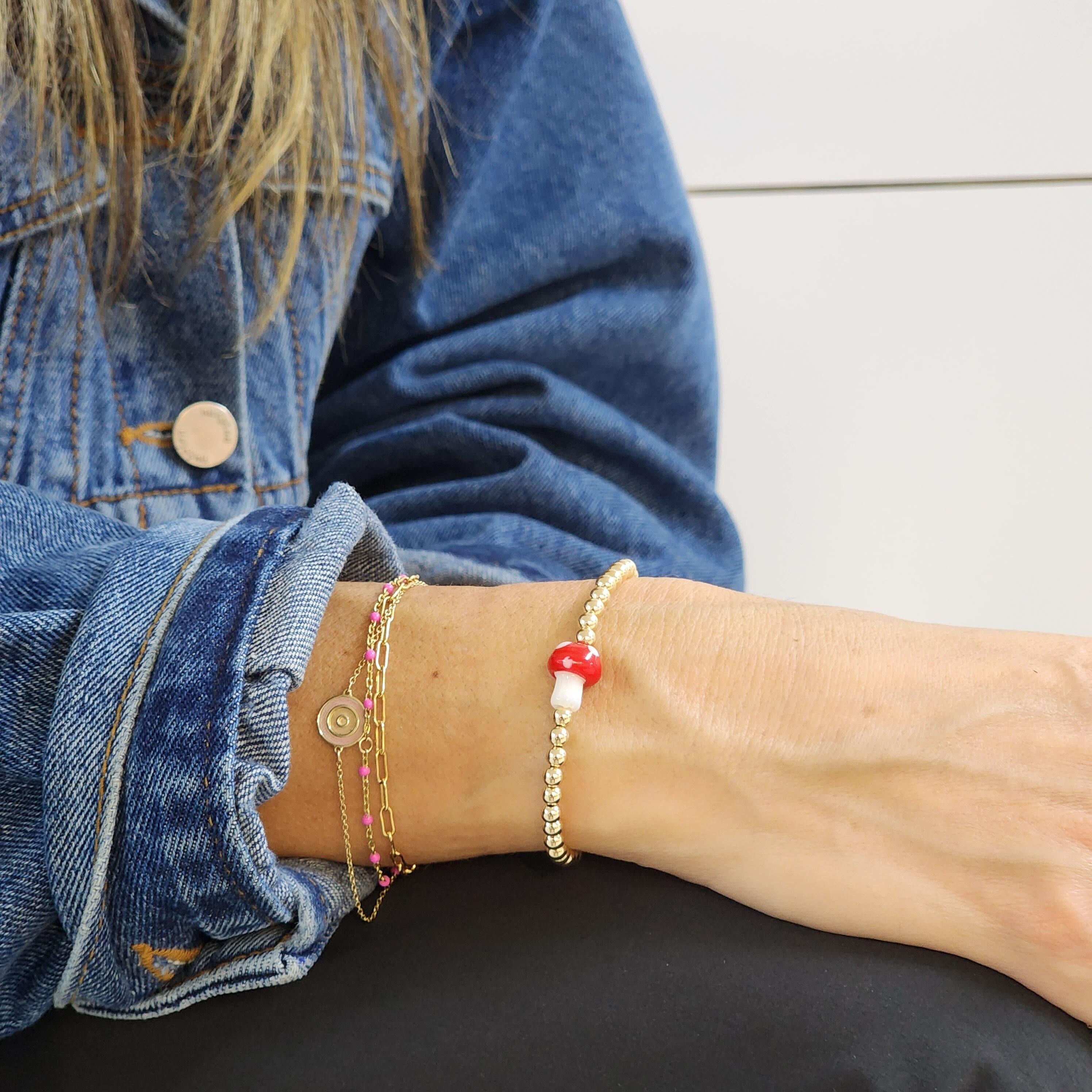
This year's popular bracelet styles say a lot about where taste has landed. There's a real pull toward pieces that feel special without being fussy or hard to actually wear day to day.
Substantial chain bracelets are one of the standout trending bracelets for women this year: Cuban links, thick cable chains, bold curb designs. They make a statement without trying too hard.
Part of the appeal is how well they cross budgets and materials. A chunky gold bracelet in gold filled construction looks and wears close to solid gold at a lower price point, while a sterling silver version leans cooler and a bit more edgy.
These bracelets also do double duty. A thick chain bracelet looks just as at home with a plain white tee as it does against a black dress, which is a big part of why the style has stuck around this long. If you want to see how different link constructions actually differ, our breakdown of types of gold chains covers curb, cable, rope, and a handful of others in more depth.
On the other end of the spectrum, stacking three to five thin chains together keeps gaining ground. The look reads as collected over time rather than bought as a matching set, which is exactly the point.
What makes this trend easy to commit to is that nothing has to happen all at once. Start with one delicate chain bracelet, add a second a few months later, then mix in a different length or texture whenever the mood strikes.
It also solves a real problem for gift giving. Adding one more thin chain to a stack someone already owns works better than trying to compete with what they already wear.
Cuff bracelets are having a real moment in 2026, and search interest backs that up. Gold cuff bracelets, silver cuffs, and open bangle-style pieces are showing up in bracelet-trend searches across the US, UK, and Europe this year.
A cuff bracelet is a rigid or semi-rigid piece with an open back, unlike a closed bangle that has to slide over the hand. That open design is exactly why cuffs work so well as a statement piece. They sit directly on the wrist, they're quick to put on, and the open shape gives room to play with width, texture, and shape in ways a closed circle doesn't allow.
Minimalist cuffs, thin, polished, barely there, work as an everyday layer that doesn't compete with anything else on the wrist. A single slim cuff next to a watch or a couple of delicate chains reads as put together without much effort.
Bold or chunky cuffs go the other direction on purpose. Wide bands, hammered textures, or an oversized shape turn the cuff into the focal point of an outfit, which makes it a natural fit for evenings out or an outfit that's otherwise fairly simple.
Gold cuff bracelets tend to feel warmer and dressier, especially in a gold filled construction that holds its color through daily wear. Silver bangle bracelets and silver cuffs lean cooler and more modern, and they pair easily with sterling silver rings or necklaces already in a wardrobe.
For everyday styling, a narrow cuff worn alone or with one or two thin bracelets is the easiest way to try the trend without overhauling a jewelry box. For occasions, a wider or more textured cuff can stand in for several smaller pieces at once, since it already reads as a statement on its own.
It's worth knowing the difference between a cuff and a bangle bracelet, since the two terms get used interchangeably even though the construction isn't the same. A bangle is typically a closed or hinged circle that keeps its shape, while a cuff has an open back that lets it sit around the wrist without sliding over the hand. If that distinction is useful, our breakdown of what a bangle bracelet actually is goes into the difference in more detail.
Choosing between the two usually comes down to how someone already wears jewelry. Anyone who likes adjusting a piece throughout the day tends to reach for a cuff, while anyone who prefers something that stays in one position usually leans toward a bangle.
The old rule about matching metals has quietly stopped applying. Mixing gold and silver, warm tones and cool tones, feels current instead of like a mistake, and it means one jewelry box can cover both instead of needing two separate ones.
Starting with two metals is the easiest entry point. A gold chain bracelet next to a silver cuff is a simple, low-risk combination. Adding more pieces and playing with proportions gets easier with practice from there.
Smooth, polished bracelets are sharing space with pieces that have real texture: hammered surfaces, twisted designs, rope details, brushed metal. These finishes catch light differently and add visual interest without needing a single stone.
Textured pieces also tend to read as more expensive than a smooth equivalent at the same price point, since the extra handwork shows. For anyone drawn to stylish bracelets for women with a more handmade feel, this is the trend worth watching.
Function is trendy in its own right this year. Sliding closures and stretch cords are replacing traditional clasps in a lot of new designs, which means one bracelet can fit a wider range of wrist sizes without a jeweler ever touching it.
Beaded bracelets built on stretch cord are a good example. They go on and off easily, adjust through the day, and skip the small clasp that's genuinely hard to manage one handed. It's a small design choice that solves a real, everyday annoyance.
Here's where it's worth being direct: material matters more than any single trend. A bracelet in this year's hottest style will disappoint fast if it's made from something flimsy.
Gold filled bracelets are a strong option for most women who want the look of gold without the price of solid gold. They're made with a solid layer of real gold bonded to a base metal, so the color sits closer to solid gold than plated pieces do, and the layer is thick enough to resist wearing through with normal use. How long any individual piece lasts still depends on care, how often it's worn, and exposure to chlorine, sweat, and harsh chemicals, so treat any specific lifespan claim with some skepticism.
Sterling silver is a solid choice for anyone who prefers a cooler tone. Pieces with rhodium plating add some extra resistance to tarnish, though sterling silver naturally reacts with air and moisture over time and will darken eventually no matter what. That's normal, not a defect, and a gentle polish usually brings the shine back. For more on why that happens and how to slow it down, see our piece on why sterling silver tarnishes.
Stainless steel has earned a place in a lot of jewelry boxes too, mainly for durability and low maintenance. It holds up well to daily wear and doesn't need much babying, though claims about it being universally hypoallergenic vary by alloy, so anyone with a known metal sensitivity should check the specific composition rather than assume.
Gold plated bracelets are worth a second thought before buying. The gold layer is thin enough that it can wear through with regular contact, sometimes fairly quickly, revealing the base metal underneath and occasionally causing irritation for sensitive skin. Knowing the difference between gold filled and gold plated before buying can save some disappointment down the line.

The most versatile pieces in a collection tend to work for more than one setting, though a few specialized pieces earn their place too.
An everyday bracelet needs to check three boxes: comfortable, durable, and easy to put on without thinking too hard about it. A simple gold filled chain bracelet or a thin bangle covers most of that on its own, since both slide on quickly and work from a workout to a work call without looking out of place.
Lightweight matters more here than almost anywhere else. A bracelet that feels noticeably heavy after an hour isn't going to make it into daily rotation, no matter how good it looks in a photo.
Delicate chain bracelets and simple cuffs are two of the easiest everyday bracelets for anyone who prefers a minimal look. Both sit close to the wrist, both go from a desk to dinner without adjustment, and neither competes with a watch or ring already in the mix.
Beaded bracelets on stretch cord solve the everyday comfort question in a different way. There's no clasp to fight with in the morning, and the stretch construction moves with the wrist through typing, cooking, and everything else a normal day involves.
Stackable pieces give the most flexibility for everyday wear, since the same three or four bracelets can look different depending on how they're combined. A full stack on a low-key day, a single piece on a day that calls for less, all from the same small rotation.
Office-to-evening styling comes down to picking pieces that don't read as daytime-only. A gold filled chain or a slim cuff makes that transition without needing to be swapped out before dinner, which is one less thing to think about after a long day.
Practical daily wear also means thinking about what a bracelet will actually touch. Anything worn through a lot of hand washing, typing, or workouts benefits from materials built for that kind of contact, which circles back to why material choice matters more here than style alone.
Professional settings call for jewelry that reads polished without pulling focus. A simple cuff bracelet in gold or silver adds a bit of sophistication without being loud, and it doesn't move around enough to become distracting on a video call.
Delicate chain bracelets work well here too: visible enough to register on camera, not eye-catching enough to compete with whatever's actually being discussed in the meeting. For anyone working from home, a small piece like this can do more for how put together a day feels than it seems worth on paper.
Special occasions leave more room to have fun with jewelry. A tennis bracelet adds instant polish to a formal outfit, while charm bracelets carrying a few meaningful symbols feel personal in a way a plain piece doesn't.
Stacked bangles bring festive energy that works well for parties or celebrations, and a wider statement bracelet can anchor an otherwise simple outfit on its own. None of this has to mean spending a lot. A well-designed piece in gold filled or sterling silver can look considerably more expensive than its price tag suggests, since good proportions and finish do more of the visual work than raw material cost.
Casual settings give the most room to experiment. Beaded bracelets, leather wraps, and chunky chains all fit naturally into a relaxed wardrobe, and weekends are a good time to test a trend before committing to it for everyday rotation.
If a style catches the eye but its staying power feels uncertain, working it into the casual rotation first is a low-risk way to find out.

Nobody needs twenty bracelets sitting in a drawer. Five to seven well-chosen pieces cover almost every situation a normal week throws at someone.
Start with two everyday pieces, one gold-toned and one silver-toned, so there's flexibility no matter what else is being worn. These should be the pieces reached for without thinking, worn daily without worry about wear and tear.
Add one statement bracelet for occasions that call for more. It can be more elaborate or more expensive than the everyday pieces, since it won't see nearly as much wear.
Two or three stackable pieces round things out and let the whole look shift depending on mood. Some days call for the full stack, other days just one piece feels right.
One trendy piece, whatever's currently catching attention, keeps the collection from feeling static. Maybe that's a chunky chain, maybe it's a textured cuff in an unusual shape.
The goal is buying pieces that actually get worn, not filling a jewelry box for the sake of it. A drawer full of bracelets nobody reaches for isn't a collection. It's just clutter with better lighting.
Shopping for someone else opens up a slightly different set of questions. The best bracelet gift ideas tend to be pieces that fit the recipient's actual style rather than whatever's trending that particular week.
A classic gold filled chain bracelet works for almost anyone because it doesn't ask the wearer to commit to a specific aesthetic. It suits a minimalist and a maximalist about equally well, which makes it a safer pick when the recipient's exact taste isn't fully known.
Charm bracelets make especially good gifts because they can grow over time. A base bracelet with one meaningful charm gives a future gift somewhere obvious to go, turning a single present into an ongoing story instead of a one-time purchase.
Birthstone pieces feel personal without being overly sentimental, and they tend to land well even with people who don't normally wear much jewelry. The same goes for symbolic pieces like evil eye bracelets, which carry meaning beyond decoration for a lot of people.
For a birthday, lean toward something that matches the person's existing style rather than a totally new direction. For an anniversary, a slightly more elevated piece, a tennis bracelet or a wider cuff, tends to feel appropriately special.
Mother's Day and Valentine's Day gifts do well with pieces that feel warm and personal rather than trend-driven, while bridesmaid gifts usually work best as something simple and coordinated that the whole group can wear together without feeling matchy. No single bracelet is the right gift for everyone, so the better approach is matching the piece to what the recipient already reaches for, not to what's popular in general.
The strongest best bracelets for women this year balance trend awareness with staying power, and quality with a price that makes sense. Chunky chains, cuffs, delicate stacks, or a classic bangle, the right choice comes down to what someone will actually wear, not what looks good in a single photo.
Pick materials that hold up: gold filled, sterling silver, or well-made stainless steel over anything gold plated that won't survive the season. Build a small collection around real habits instead of an imagined version of a wardrobe, and most of what gets bought will actually get worn.
At Isabella Celini, our gold filled bracelets and beaded designs are built with exactly that kind of everyday use in mind. Our current bracelet collection covers chains, stacks, and charm styles across gold filled and sterling silver, for anyone ready to add a piece or two to their own rotation.
Are cuff bracelets in style in 2026?
Yes. Cuffs are one of the more visible bracelet trends this year, especially in gold filled and sterling silver, worn both as a solo statement piece and stacked with thinner bracelets.
Are bangle bracelets still in style in 2026?
Yes. Bangles remain a staple, especially slim, stackable styles worn two or three at a time, and wider single bangles worn on their own.
Are chunky bracelets in style in 2026?
Yes. Chunky chain bracelets, in Cuban link, curb, and thick cable styles, are one of the biggest bracelet trends this year, especially in gold filled construction.
Are charm bracelets still in style in 2026?
Yes. Charm bracelets have shifted toward simpler chains carrying a few meaningful charms rather than a fully loaded traditional charm bracelet, which makes them easier to wear every day.
What is the difference between a cuff and a bangle bracelet?
A cuff has an open back and sits around the wrist without sliding over the hand. A bangle is typically a closed or hinged circle that has to pass over the hand to reach the wrist.
What are the best bracelets for everyday wear?
Lightweight gold filled chain bracelets, simple cuffs, and beaded stretch bracelets tend to work best for daily wear, since they're comfortable, low maintenance, and easy to put on without a clasp.
What are good bracelet gift ideas?
A classic gold filled chain bracelet, a charm bracelet that can grow over time, or a birthstone piece all work well as gifts, especially when matched to the recipient's existing style rather than whatever's trending.
Gold or silver bracelets, which is better for everyday wear?
Neither is objectively better. Gold filled holds a warmer tone and resists tarnish well, while sterling silver leans cooler and needs slightly more upkeep to stay bright. The right choice comes down to personal preference and what's already in a jewelry box.

Share information about your brand with your customers. Describe a product, make announcements, or welcome customers to your store.