Flash Sale 70% Off
Give customers details about the banner image(s) or content on the template.
Write your store's popup content

Birthstone bracelets for December can feature turquoise, tanzanite, or blue zircon. Each stone looks different, wears differently, and needs different care. The best choice depends on the color you like, the bracelet style, how often it will be worn, and your budget.
Turquoise is opaque and runs from sky blue to green. Tanzanite is transparent, with a blue to violet tone. Blue zircon is bright, sparkly, and clearly blue. Same month, three very different bracelets.
If you're shopping for someone else and don't know their taste, a simple bead or chain bracelet in a soft blue is the safer starting point.
The three widely recognized December birthstones are turquoise, tanzanite, and zircon, most often sold in its blue form. They are separate gemstones, not three names for one stone.
Charts vary by seller. Some also list blue topaz for December, so always read the product description to see which stone is actually in the bracelet.
Turquoise ranges from light sky blue to deeper blue green. It is generally opaque, and many pieces show matrix, the thin brown or black veining left from the host rock. Some buyers love those lines. Others prefer a clean, even color.
The look is earthy and relaxed, which is why a turquoise birthstone bracelet suits people who like bohemian or casual styling.
It's also one of the softer gemstones, roughly 5 to 6 on the Mohs scale, and it's porous. Skin oils, lotions, and perfume can dull it over time. Stabilized turquoise is common and widely accepted, but a seller should say so.
Tanzanite sits in the blue to violet range, and the color can shift with lighting and viewing angle. The same bracelet can look more blue by a window and more purple under warm indoor light. Check photos taken in different lighting before you buy.
A tanzanite bracelet suits someone who wants a rich, refined color rather than a casual one. Most tanzanite on the market is heat treated to bring out its blue violet tone. That is standard in the trade, and it should be disclosed.
Hardness is about 6.5 to 7, but the stone can chip from sharp knocks. It also dislikes sudden temperature changes, so it needs more care than the number suggests.
Blue zircon is the brightest of the three. It has strong brilliance, so a blue zircon bracelet throws more sparkle than opaque turquoise does. Much blue zircon is heat treated, which is also common practice.
Zircon is a natural mineral. It is not cubic zirconia, which is a lab-made material with a different chemical makeup. A listing that says "zircon" and one that says "CZ" are describing two different things.
Zircon can be brittle. The edges of the facets can wear or chip with rough use, so it suits careful daily wear better than heavy activity.
|
Turquoise |
Tanzanite |
Blue Zircon |
|
|
Appearance |
Opaque, sky blue to green, may show matrix |
Transparent, blue to violet, color shifts with light |
Transparent, bright blue, high sparkle |
|
Best for |
Earthy, bohemian, casual looks |
Rich, refined, color-focused looks |
Bright, sparkling, polished looks |
|
Jewelry considerations |
Soft and porous, often stabilized |
Can chip, heat treatment is common |
Brittle edges, heat treatment is common |
|
Care |
Wipe gently, keep away from lotions, perfume, and soaking |
Gentle cleaning only, no ultrasonic or steam |
Gentle cleaning, avoid knocks and rough wear |
Start with color, because it narrows the field fastest. Green leaning blue points to turquoise. Violet leaning blue points to tanzanite. A clean, vivid blue points to zircon.
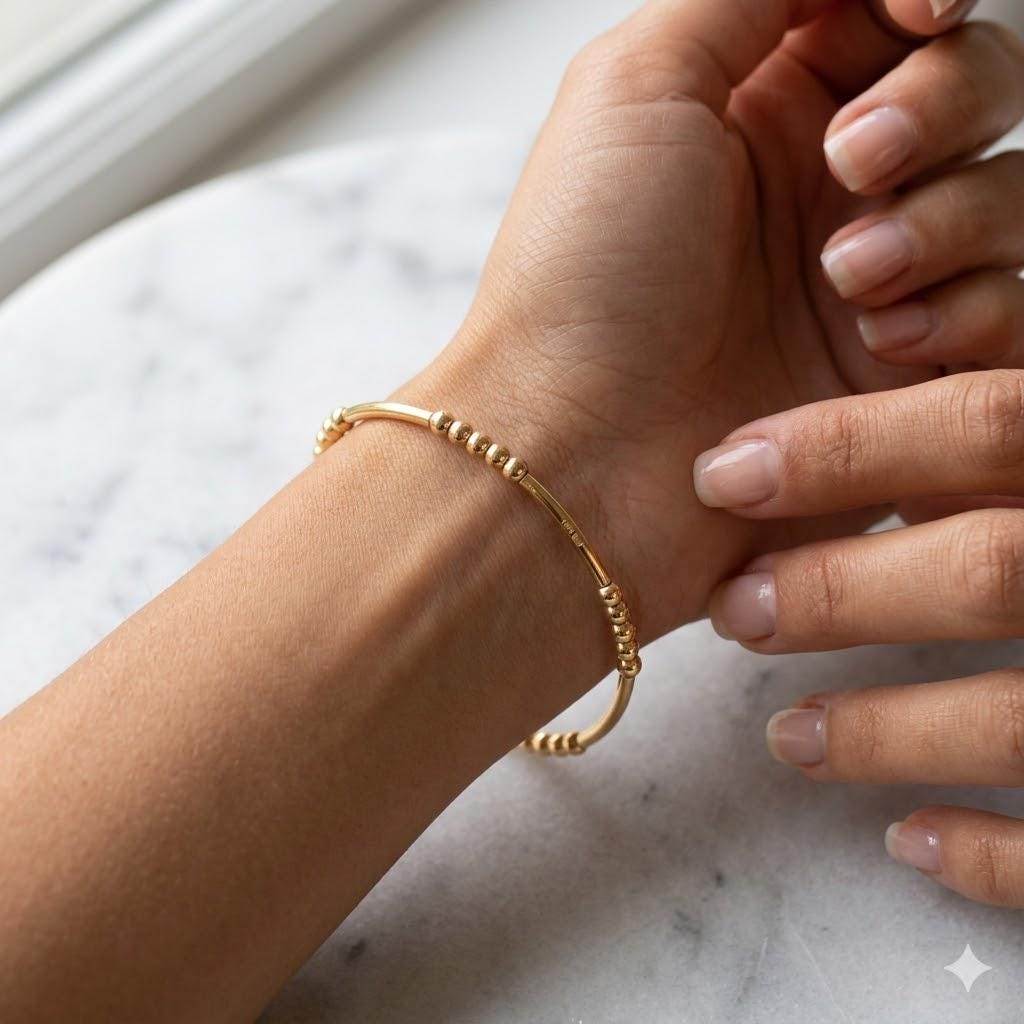
Then look at construction. Beaded bracelets show more of the stone and feel casual. Chain bracelets with a small stone accent feel quieter. Charm bracelets add a single focal point.
Think about the wearer's taste. Someone who wears one thin chain every day will probably prefer a subtle accent over a full strand of beads. Someone who stacks and layers can handle more color.
Intended use matters just as much. A bracelet for office and dinner can be delicate. A bracelet for weekends and travel should be sturdier, with a secure closure or a well-made stretch cord.
Budget deserves honesty. A low price can be perfectly reasonable for a small bead or accent stone. It becomes a problem when the description is vague about what the stone actually is. Price should match the materials and construction that are described, not the phrase "birthstone."
Finally, decide whether it's for the wearer or a gift. If it's a gift, the next sections matter more than the gemstone chart.
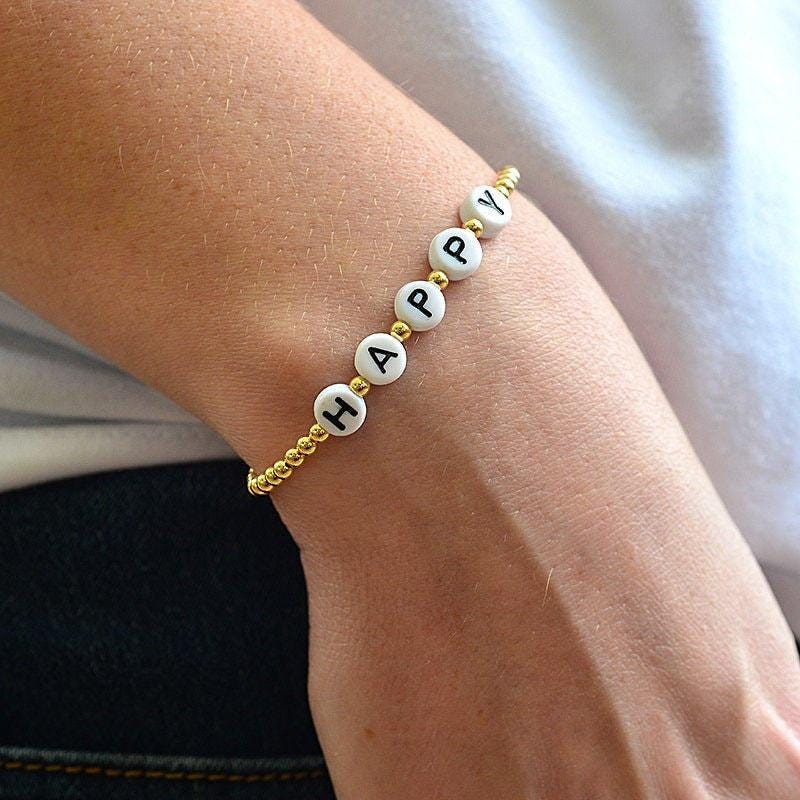
Bead size changes everything. Small beads of 2 to 4 mm read delicate and stack easily. Larger beads of 8 mm and up look bold and take over the wrist.
Color arrangement matters too. An all-blue strand looks cohesive. Alternating blue stones with plain metal spacers looks lighter and lets the gemstone color stand out.
Spacing is worth checking in photos. Tightly packed beads feel substantial. Widely spaced beads feel airy and are less likely to knock into each other.
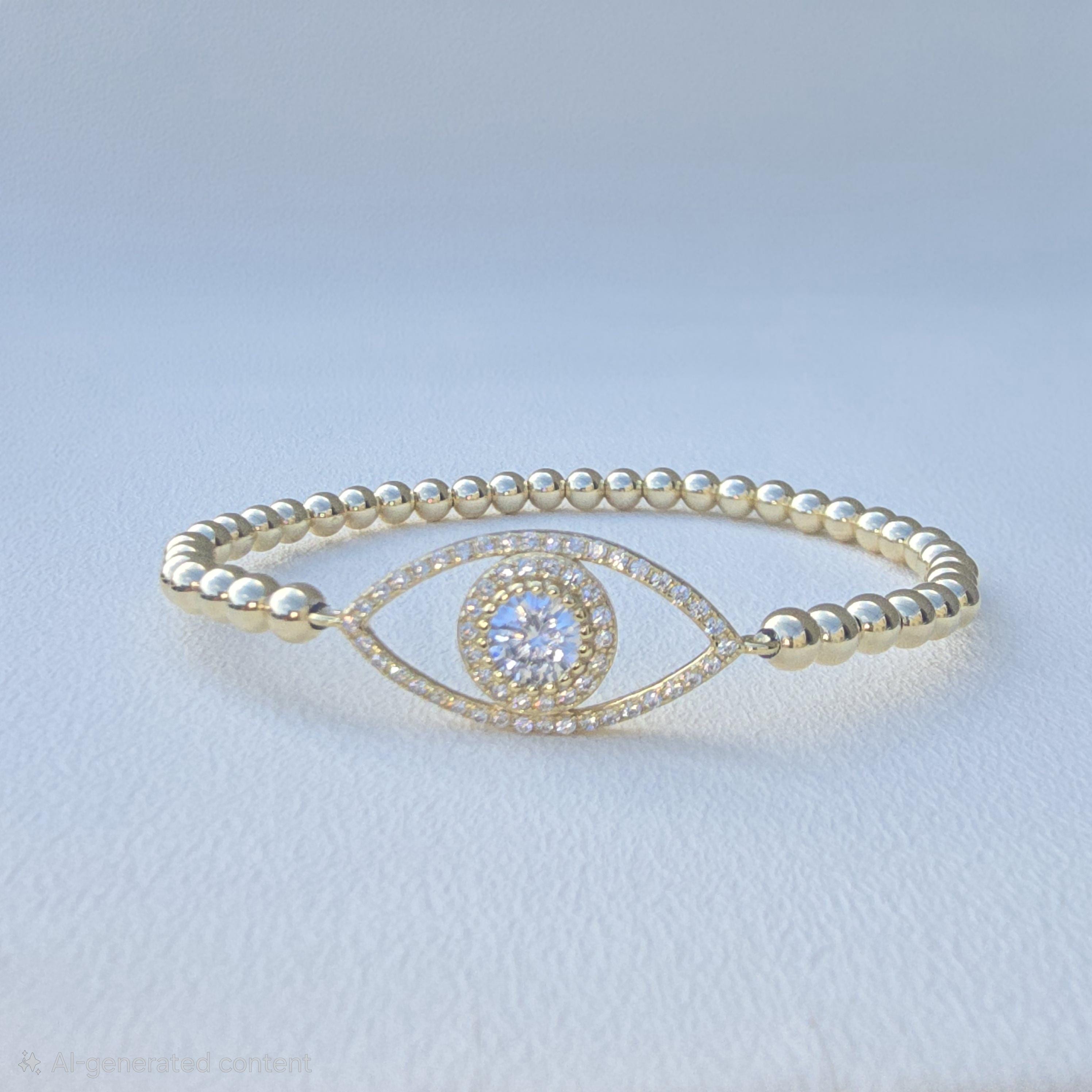
A charm bracelet works well when the birthstone is one meaningful detail, not the whole design. A single stone charm on a simple chain feels personal without looking heavy.
Check what the charm is really made of. A blue charm labeled "December" could be natural stone, glass, or enamel. The listing should name the material.
A thin chain with one small gemstone accent is the easiest style for a person who prefers understated jewelry. It sits close to the wrist, goes under a sleeve, and doesn't compete with a watch.
It's also a good choice for tanzanite or zircon, where a small protected stone has less exposure to knocks than a large exposed one.
Adjustable closures and stretch cord solve the sizing problem, which is useful for gifts. They also skip the small clasp that many people find hard to fasten one handed.
Quality varies. Look for sizing information, cord thickness, and how the beads are secured. Stretch cord does wear out eventually, and a bracelet that gets pulled on and off daily will show it sooner.
A birthstone bracelet works best in a stack when it's the one colorful piece. Pair it with a plain chain or two thin metal bangles so the blue is the focus.
Avoid stacking several bracelets with hard, faceted stones against each other. Beads and stones that rub together can scratch or chip, especially softer ones like turquoise.
Match the stone to personal style, not the calendar. Not everyone born in December likes blue jewelry, and not everyone cares what their birthstone is. Look at what the recipient already wears: colors, metals, and how much jewelry they usually put on.
Decide how bold to go. A subtle chain with a small stone is hard to get wrong. A colorful beaded strand is more of a statement and suits someone who already wears color.
Check wrist size before anything else. If you can't find it out, choose an adjustable or stretch design with a generous size range. An adjustable bracelet forgives a wrong guess. A fixed-length one doesn't.
Consider the metal tone. If the recipient wears mostly gold-tone jewelry, a gold-tone bracelet will get worn more. If she wears silver, a silver-tone design is the safer pick. Someone who mixes metals gives you more room.
Read the practical details too: material list, gift packaging, delivery timelines around the birthday or holidays, and the return or exchange policy. A returnable gift takes pressure off a guess.
Finally, think about daily habits. A person who works with their hands, exercises often, or travels a lot needs a sturdier design than someone who wears jewelry for dinners out.
Turquoise has the longest cultural history of the three. It has been worn and traded for centuries in many regions and is traditionally linked with protection and good fortune. Tanzanite is a relatively recent gemstone, so its associations are mostly modern, often tied to transformation and new beginnings. Zircon has been used in jewelry for a long time and is traditionally connected with wisdom and clarity.
These are traditional beliefs and popular interpretations, not scientifically established effects. A bracelet does not heal, protect, attract wealth, or change anyone's future.
Where the meaning does hold up is personal. Many people simply like wearing something tied to their birth month, and a birthstone gift shows the giver paid attention. That is reason enough for most buyers.
Often yes, with realistic expectations. Daily wear depends on the stone, how it's set or strung, the bracelet's construction, and what the wearer does all day.
None of the three stones is damage proof. Turquoise is soft, tanzanite can chip, and zircon can wear at the edges. A bracelet that sits under a sleeve at a desk will last longer than one worn to the gym.
A few habits help:
The three stones don't tolerate the same things, so follow the care steps for the specific stone in your bracelet.
Turquoise: Handle gently and keep it away from cosmetics, perfume, cleaning products, and long soaks. Moisture and oils can affect porous or treated material. Wipe with a soft, dry or barely damp cloth.
Tanzanite: Clean gently with a soft cloth or soft brush and lukewarm water with mild soap. Skip ultrasonic and steam cleaners, because heat and vibration can damage the stone. Keep it away from sudden temperature changes.
Zircon: Clean with a soft cloth and mild soapy water. Avoid rough wear, because the facet edges can abrade or chip. Store it away from harder stones.
Care advice can change with treatments, settings, and mixed materials. A bracelet that combines stone beads, metal spacers, and cord has more than one thing to protect. Follow the seller's care instructions first, especially if the stone is treated.
"December birthstone bracelet" is a category label. It does not confirm which gemstone is used, whether the metal is solid or plated, or how well the bracelet is made. Check these before you buy:
If a listing is vague on any of these, ask the seller before ordering. A clear answer is a good sign, and a vague one tells you something too.
Turquoise, tanzanite, and zircon, most often blue zircon. Some sellers also list blue topaz, so check each product.
It depends on the wearer. Turquoise suits a casual, earthy look, tanzanite suits a refined violet blue, and blue zircon suits someone who wants sparkle.
Yes. They are three different gemstones that all appear on common December lists.
Usually some shade of blue. Turquoise can lean green, and tanzanite can lean violet.
Yes, especially when the color and style match what the recipient already wears. An adjustable size makes them easier to give.
Often, with care. Remove it for swimming, workouts, cleaning, and lotions, and avoid knocks.
Use gentle cleaning suited to the stone. Never use ultrasonic or steam cleaners on tanzanite, and keep turquoise away from chemicals and moisture.
The named gemstone, whether it's treated, the metal, the size, the care instructions, and the return policy.
No. Zircon is a natural mineral. Cubic zirconia is a lab-made material.
Yes. Pair the birthstone bracelet with plain chains, and keep hard stones from rubbing against softer ones.
Share

Share information about your brand with your customers. Describe a product, make announcements, or welcome customers to your store.