Flash Sale 70% Off
Give customers details about the banner image(s) or content on the template.
Write your store's popup content

A budget of $100 will not buy solid gold. It can still buy something that looks good, feels substantial and holds up to regular wear, provided you know which materials to look for.
That is where gold filled jewelry in under $100 becomes interesting. Gold-filled pieces carry a much thicker gold layer than ordinary gold plating, and many of them sit comfortably below the three-digit mark.
The catch is that "gold jewelry" is a loose phrase. A $30 chain and a $90 chain can both be sold under that label while being built completely differently.
So the real question is practical. What can you actually get at this price, and is gold-filled a better value than the cheaper alternatives? The sections below answer that, piece by piece.
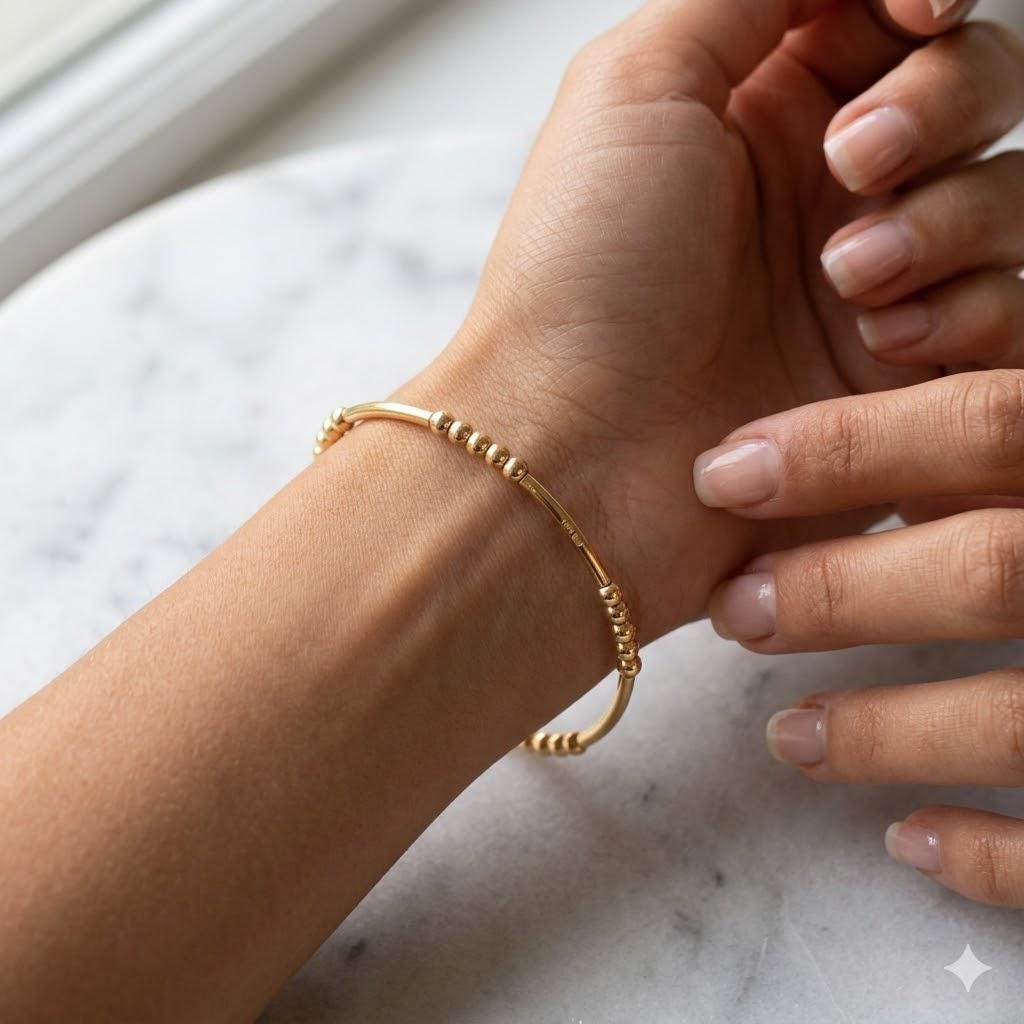
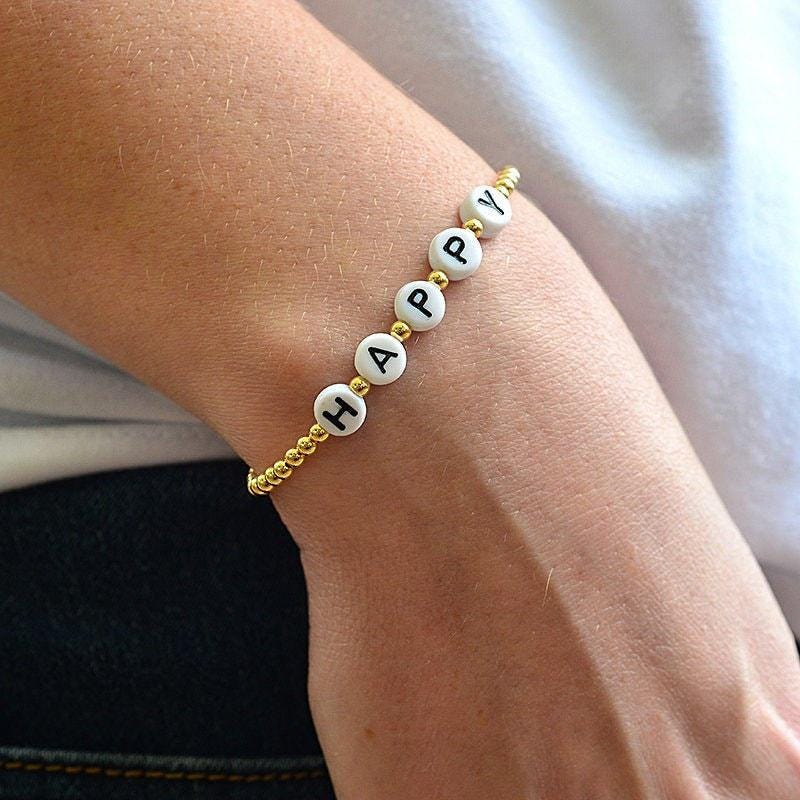

More than most people expect, though the range depends on the category.
Rings are usually the most affordable entry point. Simple bands, stackable stretch bead rings and small pearl or CZ-accented styles often fall well inside the budget.
Bracelets cover the widest spread. Stretch bead bracelets, charm designs and delicate chain styles are common, and many are easy to layer.
Necklaces vary the most. A fine chain with a small pendant is a different cost from a heavier chain with pearls or gemstones, even when both are labeled gold-filled.
Several things push a price up or down:
A bulky chunky chain can cross $100 quickly. A dainty piece of the same style may not. Compare pieces of similar size and weight rather than similar names.
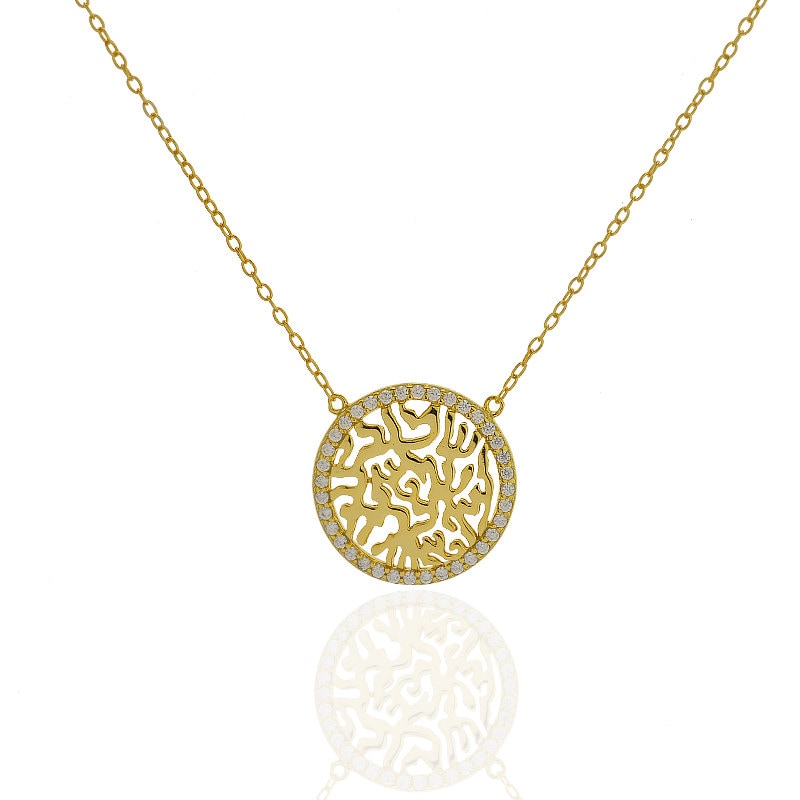
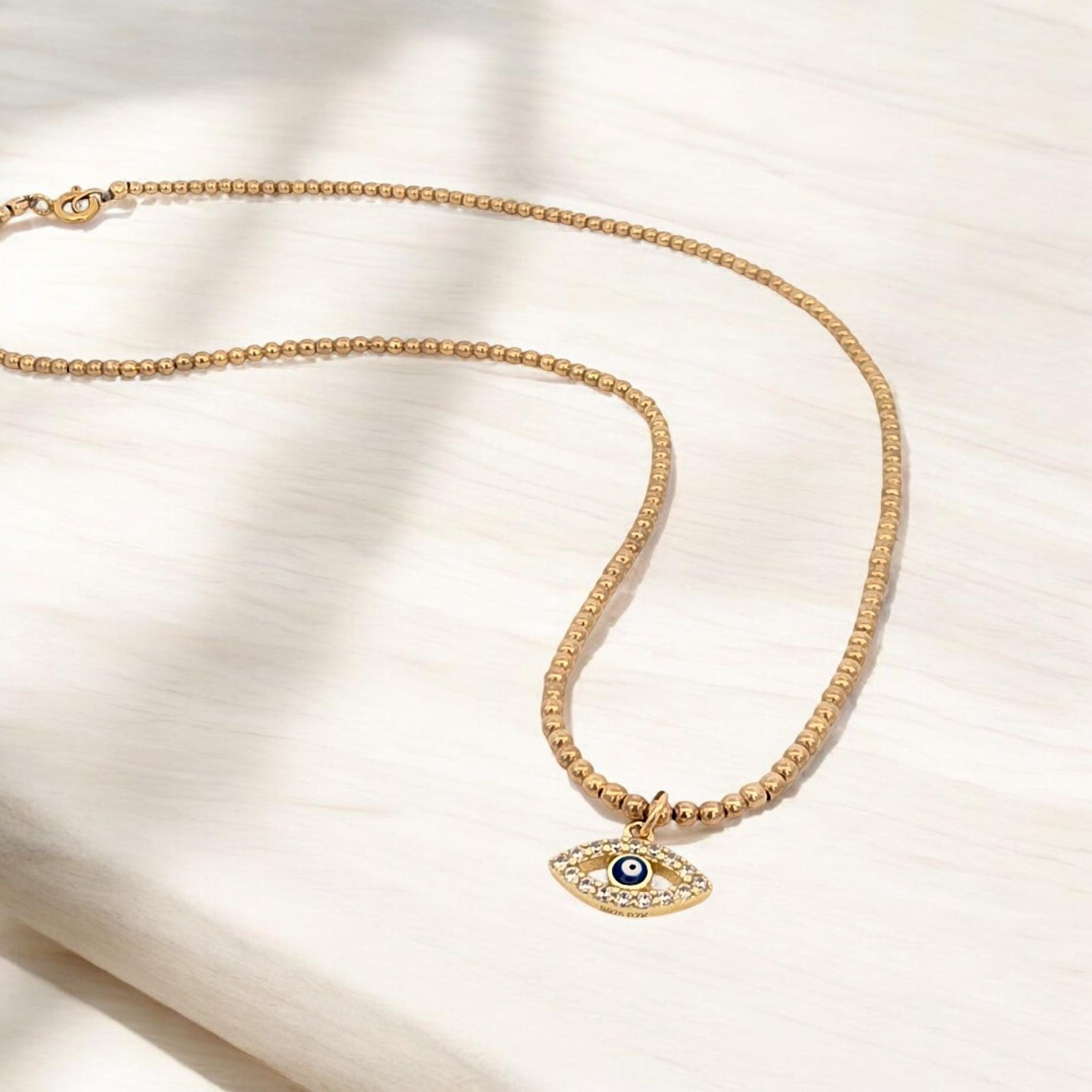
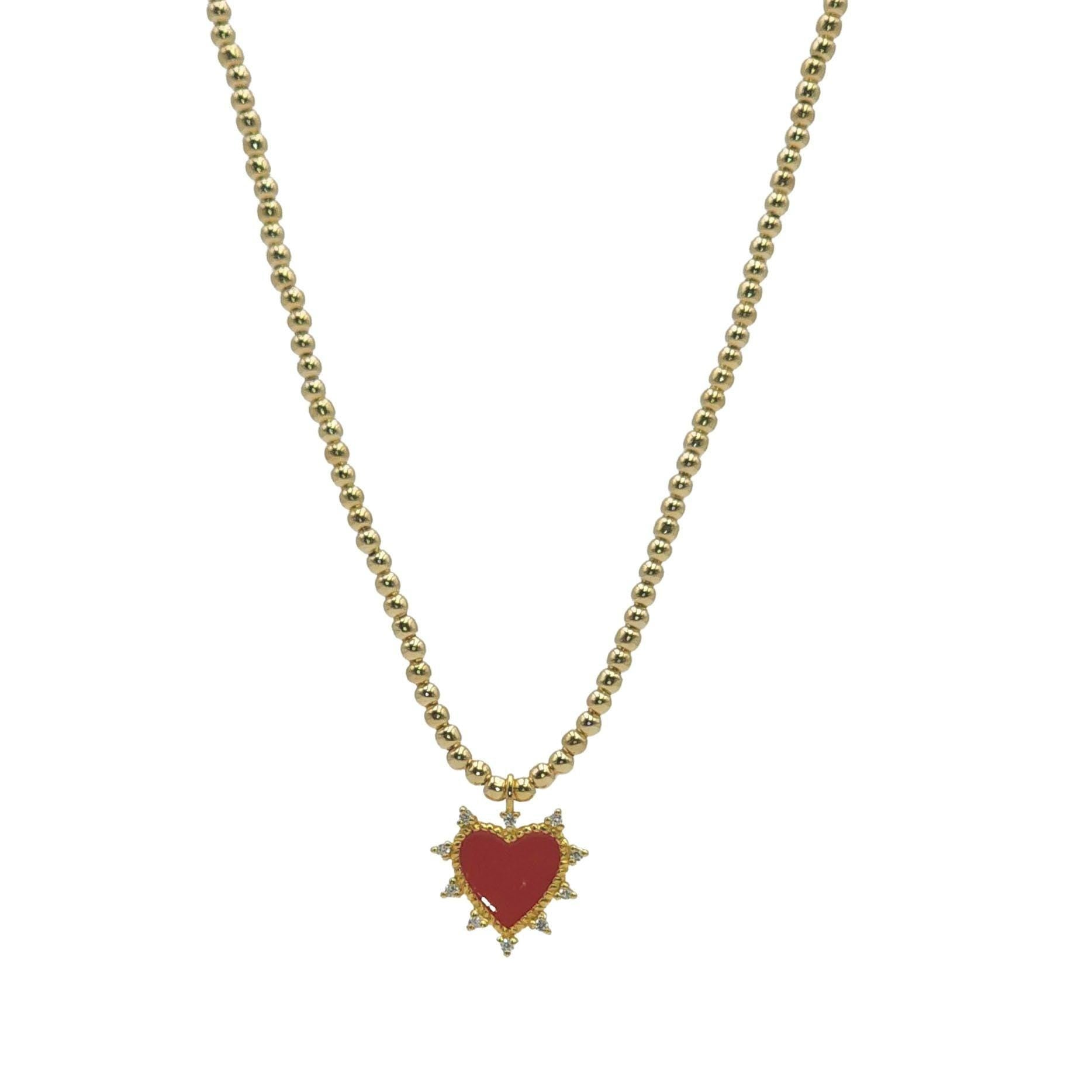
Gold-filled jewelry is made by bonding a layer of real gold to a core of base metal using heat and pressure. In the United States, the gold layer must make up at least 5% of the item's total weight to carry the label. A 14K gold-filled piece uses 14 karat gold for that outer layer.
That bonding process is the key difference. The gold is not a coating that was dipped or sprayed on. It is a physical layer fused to the core.
For regular wear, that construction matters. A thicker layer generally has more material to wear through, which is why many shoppers choose it for pieces they put on daily, like a bracelet or a chain they rarely take off.
Now the honest limits. Gold-filled is not solid gold, and it should never be described as solid gold. It also does not last forever.
How it performs depends on care, friction, exposure to chemicals, your skin chemistry and how often you wear it. Two people can own the same bracelet and see different results after a year. Any promise of an exact lifespan is a red flag.
Finally, price alone does not tell you quality. A low price can mean a thinner layer, weaker construction or vague material labeling. A higher price can simply mean more gemstones. Read the listing, not just the tag.
Both can sit inside a $100 budget, and both have a place. The difference is what you are paying for.
|
Gold-filled |
Gold-plated |
|
|
Gold layer |
Thicker, bonded under heat and pressure |
Very thin, applied through electroplating |
|
Construction |
Gold fused to a base metal core |
Gold deposited on the surface |
|
Everyday wear |
Generally better suited |
Better for occasional wear |
|
Appearance |
Warm, rich gold tone |
Can look similar when new |
|
Longevity |
Depends on care and use |
Thin layer can wear sooner |
|
Price |
Usually higher |
Usually lower |
|
Gift appeal |
Feels more substantial |
Works for trend or short-term pieces |
Gold-plated is not worthless. If you want a trendy piece for one season, a party outfit or a low-risk gift, a plated item can make sense.
If you want something you will wear most days, the extra spend on gold-filled is easier to justify. That is the whole trade.
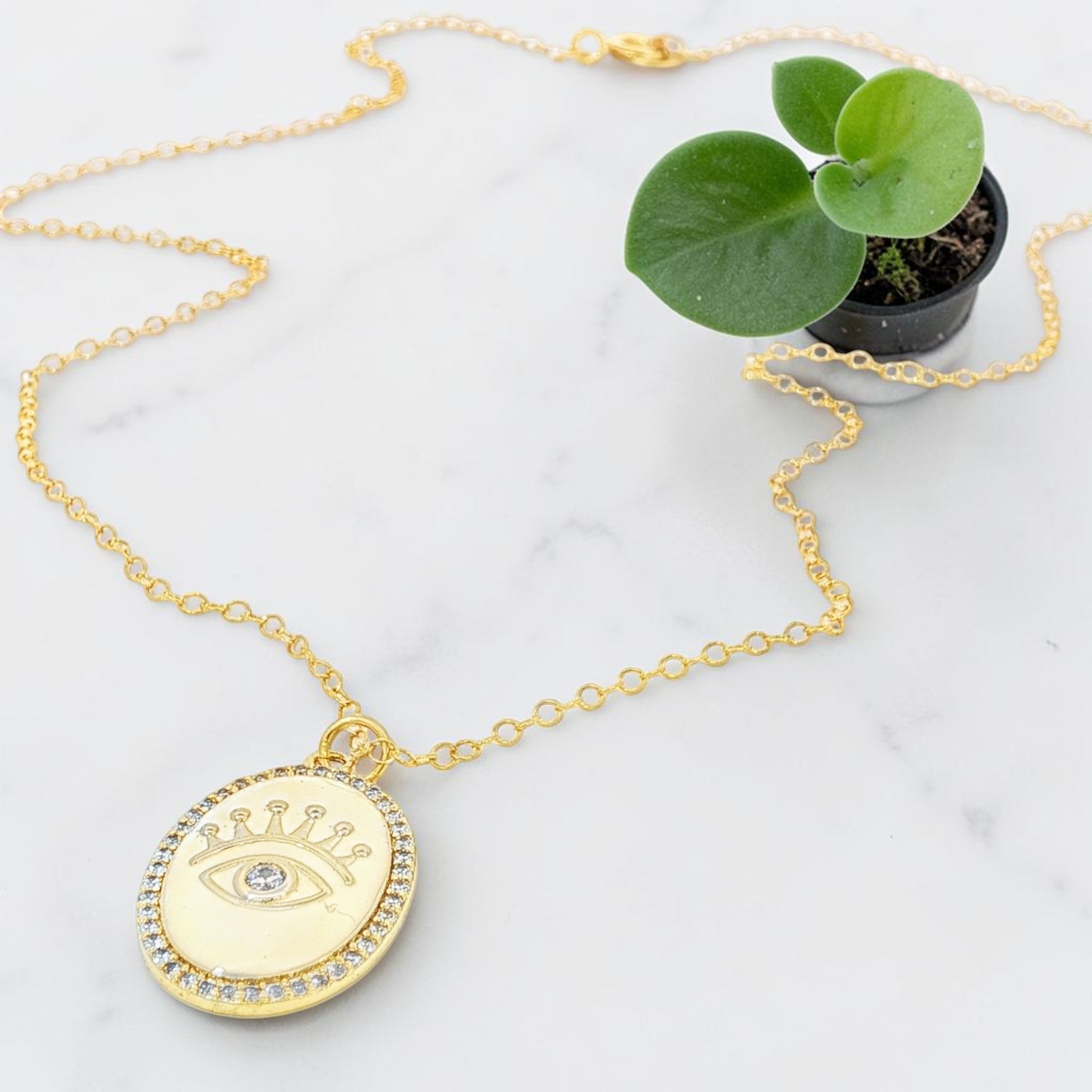
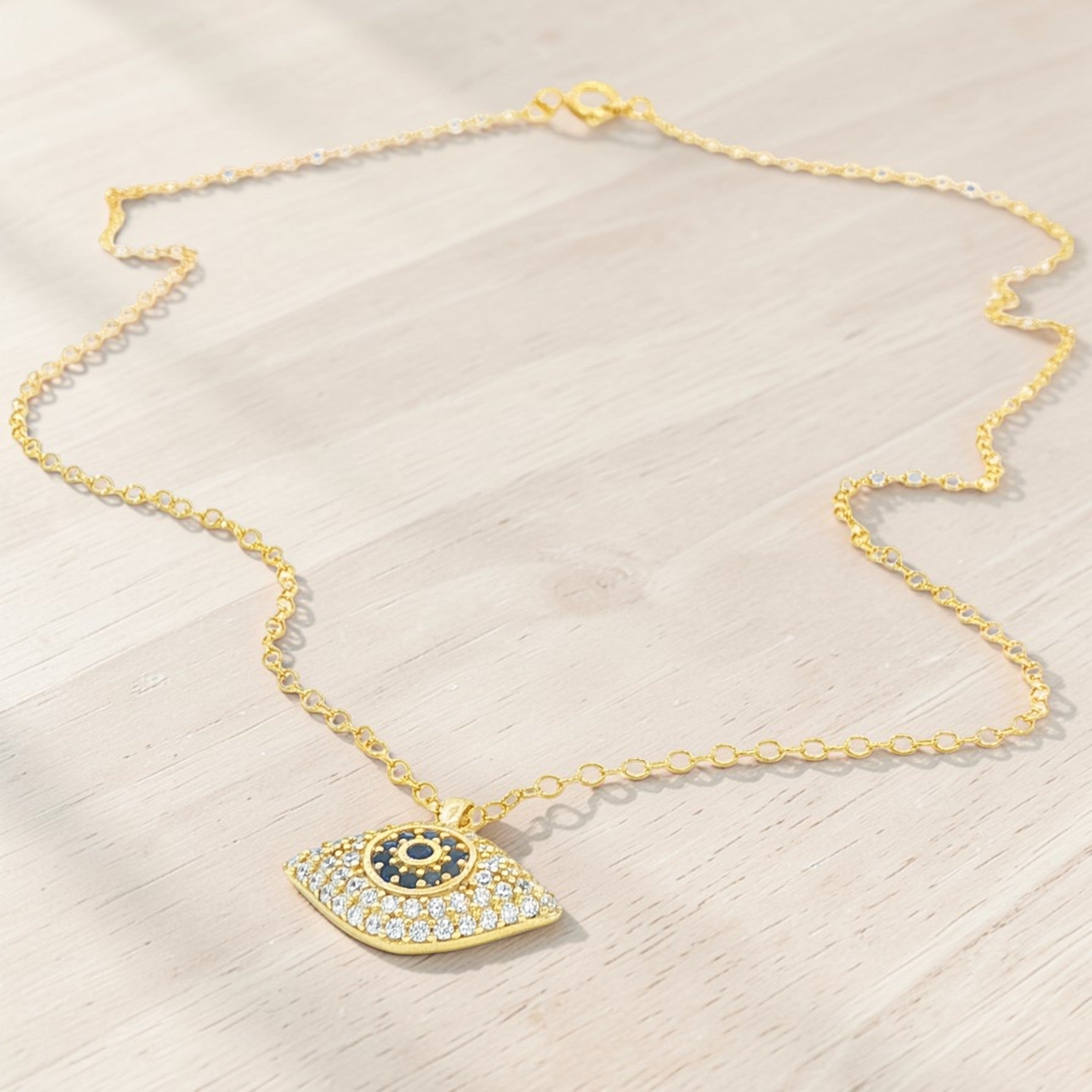
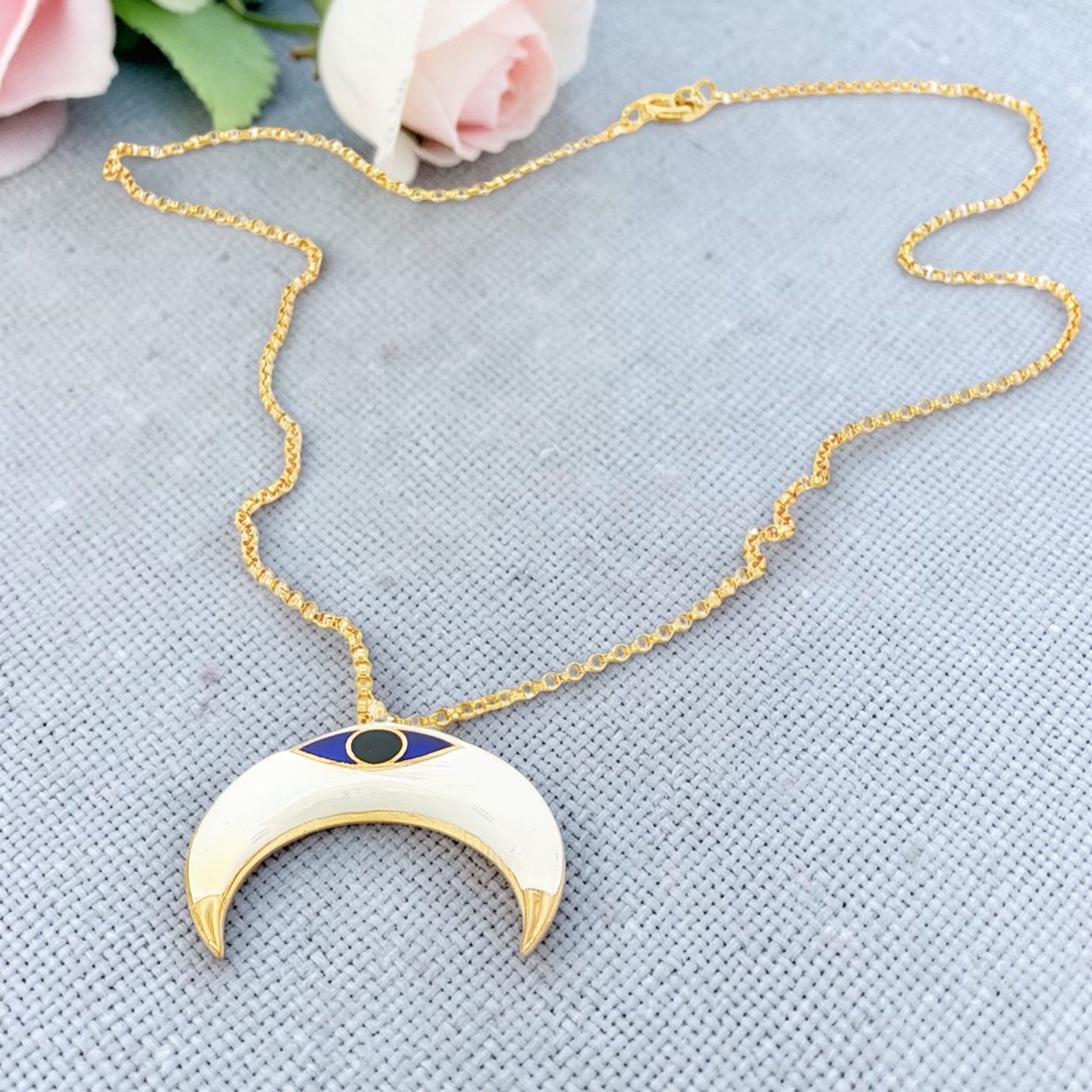
Necklaces suit the widest range of tastes, so the style matters more than the price.
Dainty chains work for people who want something quiet that sits close to the collarbone. They are also the easiest layering base.
Beaded necklaces add texture and a little more presence. Pendant necklaces, especially symbolic or charm designs, suit gifting because the pendant carries meaning.
Layering necklaces are made to be worn together, so they tend to look intentional rather than crowded. The current gold-filled necklace selection includes chains and pendants in different styles, so you can compare lengths and designs before choosing.
Check the live listing for each piece. Prices and variants change.
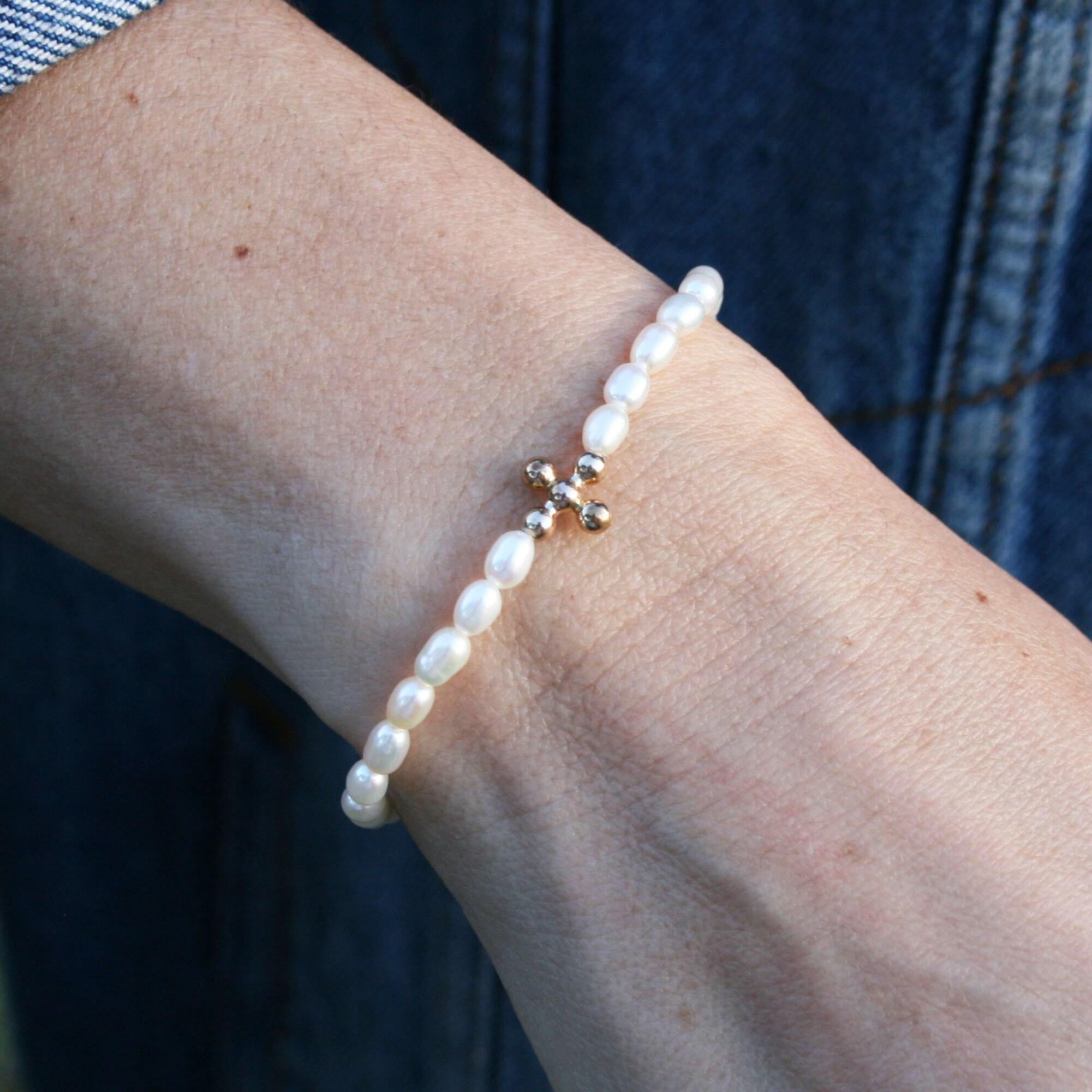
Bracelets make some of the easiest gifts. Many are adjustable or built on stretch cord, which removes most sizing worries.
Stretch bead bracelets sit casually and stack well. Charm bracelets suit someone who likes personal symbols. Delicate chain bracelets work for people who prefer subtle jewelry.
Stackable styles let the wearer build a look over time, which is a quiet advantage when you are gifting. You can start someone off with one piece and they can add more later.
You can browse the gold-filled bracelets or the more specific beaded bracelet styles to compare construction and bead sizes side by side.
Rings are a good self-purchase because you know your own size and taste.
Minimal stacking rings are the simplest option. Beaded stretch rings are more forgiving on fit. Symbolic designs and pearl or CZ-accented rings add personality without pushing the price up much.
As a gift, rings need more care. A wrong size means an exchange, and some people prefer not to wear rings at all.
If you are buying for someone else, a stretch style or a size you have confirmed is the safer route. The gold-filled beaded rings are one place to look at stretch styles.


Start with the person, not the product.
For everyday wear: a simple bracelet, a plain ring or a fine chain. These get worn the most, so the construction matters here.
For someone who loves layering: a dainty necklace or a stackable bracelet. Pieces in different lengths or textures give them room to build.
For a meaningful gift: a charm, personalized or symbolic design where available. Something tied to a birth month, a belief or a memory beats a generic chain.
For a minimalist: a delicate beaded or plain gold-filled piece. Less detail, cleaner lines.
For someone who likes statement jewelry: a larger bead, a distinctive pendant or a bolder chain texture, as long as it stays inside the budget.
One good piece usually beats several cheap ones. Five thin-looking items rarely feel like a better gift than a single piece that looks considered.

Gift buying goes wrong when people choose the item they like instead of the one the recipient will wear. Look at what she already puts on every day.
Is the jewelry she owns gold, silver or mixed? Gold-tone preference is the first filter. Warm yellow gold-filled works for someone who always wears gold. If her collection is silver, a gold piece may sit unworn.
Next, minimalist or statement. Someone in thin, simple pieces will not reach for a chunky bead necklace, however nice it is.
Then the type. Necklaces are safe because sizing is not an issue. Bracelets with adjustable or stretch fit come next. Rings carry the most risk.
Occasion changes the choice too:
If you want to compare ideas, jewelry gifts under $100 often fit best when you pick one piece she will use weekly rather than a set she will save for occasions.
It depends on what the seller means by "gold." This is where many buyers get misled.
Gold jewelry under $100 can describe four very different things:
These are not interchangeable. A gold-plated bracelet and a 14K gold-filled bracelet might look identical in a product photo. They are built differently and priced differently.
Read the material description. If a listing only says "gold jewelry" with no karat, no method and no base metal, treat that as missing information, not a bargain.
Do not assume every gold-colored piece at this price compares to 14K gold-filled. Most do not.
Use this checklist before you add anything to the cart.
Expensive-looking jewelry is mostly about restraint.
Wear one delicate necklace on its own, or layer two with a clear gap in length. Mixing chain textures, like a smooth link with a beaded strand, adds depth without clutter.
Stack two or three rings on one hand, not five. Keep widths close and the finish consistent.
A bracelet next to a watch looks deliberate when the metal tones agree. Gold-filled with a gold or two-tone watch works well.
One standout piece beats a crowd of small ones. If you wear a bold pendant, skip the second necklace.
Match the piece to the neckline. Fine chains suit open and V-necks. Beaded and heavier chains sit better against crew necks and higher collars.
Then keep everything clean. Polished metal, no tangles, nothing mismatched.
Good care is the cheapest way to extend how long a piece looks right.
Put jewelry on after perfume, lotion and makeup, not before. Cosmetics and fragrance can dull metal over time.
Take it off before swimming. Chlorine is harsh on most jewelry finishes.
Remove pieces for heavy workouts, cleaning and anything that causes friction, like carrying a heavy bag against a necklace.
Store each piece separately in a dry pouch or box so chains do not tangle and surfaces do not scratch.
Clean gently with a soft cloth and mild soap, following the maker's instructions. Avoid abrasive cleaners.
A note on "waterproof" wording. If a seller describes a piece as water-friendly or tarnish-resistant, read the exact claim. It does not mean every chemical or every environment is harmless. Treat it as a reason for easier care, not a reason to ignore care.
By now the buying criteria are clear: stated material, stated karat, clear dimensions, honest care notes. Those are the lines to hold any seller to, including this one.
Isabella Celini sells 14K gold-filled necklaces, bracelets and rings across different price points, and many pieces fall below $100. Not every item does, so check the price on each live listing.
The range is useful for comparison. You can look at necklaces, bracelets and rings in one place, and compare chain weight, bead size and finish across categories.
That makes it easier to apply the checklist above and choose by construction, not by whichever listing is cheapest.
Yes, with the right expectations.
Gold filled jewelry in under $100 gives you a thicker gold layer than plating, a rich look and a price that does not stretch into solid gold territory. It is a good fit for everyday pieces and for gifts that should feel considered.
It is not solid gold and it needs care. That is the honest deal.
If you know the difference between gold-filled, vermeil and plated, and you check the listing details, a $100 budget goes a long way. When you are ready to compare designs, Isabella Celini's necklace, bracelet and ring collections are a straightforward place to start.
For regular wear, usually yes. You get a thicker real gold layer than plating at a price well below solid gold. Worth depends on construction, size and how you plan to wear it.
Solid gold under $100 is rare and typically very small or light. Gold-filled uses real gold bonded to a base metal, so it contains real gold but is not solid gold.
Many people wear it daily. Performance still depends on care, friction, chemicals and skin chemistry, so it is not indestructible.
Gold-filled has a gold layer bonded under heat and pressure, making up at least 5% of the piece's weight. Gold-plated has a much thinner coating applied to the surface.
A delicate necklace is the safest. A stretch or adjustable bracelet comes next. Choose based on her existing style, not the price tag.
It can dull over time depending on exposure to moisture, perfume, chlorine and other chemicals. Proper storage and gentle cleaning help.
Confirm the material, the karat, the dimensions, the care instructions and the return policy. Make sure the final price fits your budget.
Share

Share information about your brand with your customers. Describe a product, make announcements, or welcome customers to your store.