Flash Sale 70% Off
Give customers details about the banner image(s) or content on the template.
Write your store's popup content

A red string bracelet doesn't have one fixed meaning. Depending on who's wearing it, it can represent protection, spiritual intention, cultural identity, or nothing more than a style preference.
The most well-known association comes from Kabbalistic tradition, where a thin red string is tied around the wrist as a symbol against negative energy. But that's only one piece of the picture.
Across different cultures, red bracelets have carried meanings tied to strength, luck, love, and remembrance long before they became a common accessory in Western fashion. Some Catholics wear red jewelry too, though not for the same reasons.
None of these traditions cancel each other out. A red bracelet can mean something different to each person who ties one on, and understanding where the symbolism comes from helps make sense of why the trend has stuck around.
Ask five people what a red string bracelet means and you'll likely get five different answers. That's because the symbolism isn't standardized. It shifts depending on background, belief, and personal intention.
In some traditions, the string is worn as a form of protection, meant to ward off negative energy or what's commonly called the evil eye. In others, it's tied on as a marker of connection between people, such as a blessing given by a family member or teacher.
There's also a simpler, more personal layer to it. Plenty of people wear a red string bracelet as a quiet reminder of an intention they've set for themselves, a goal, a relationship, or a period of change they're working through.
Good fortune shows up in some cultural interpretations too, particularly in parts of Asia where red is already tied to luck and celebration. None of these meanings are more "correct" than the others. They come from different histories that happened to converge on the same simple object: a length of red thread tied around the wrist.
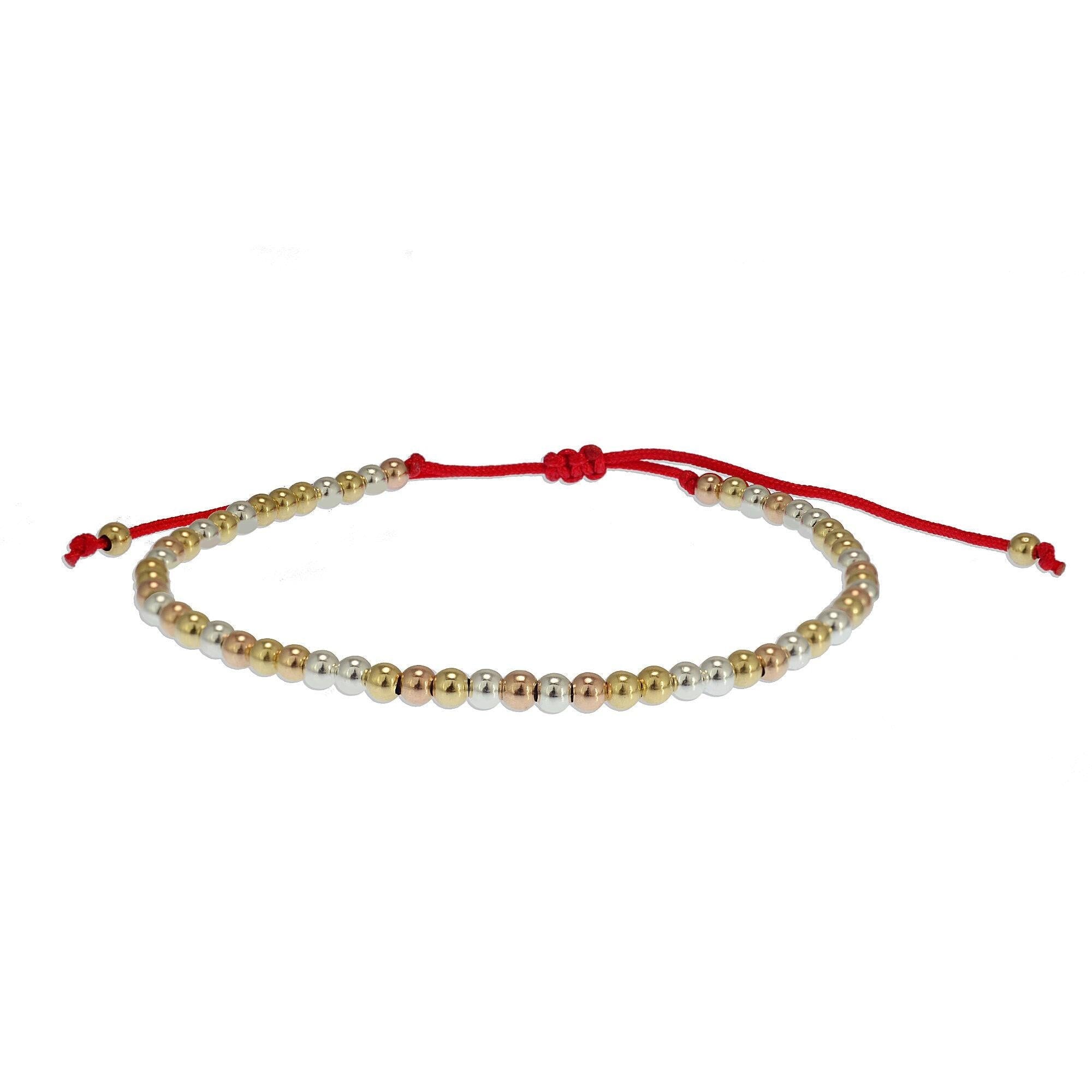
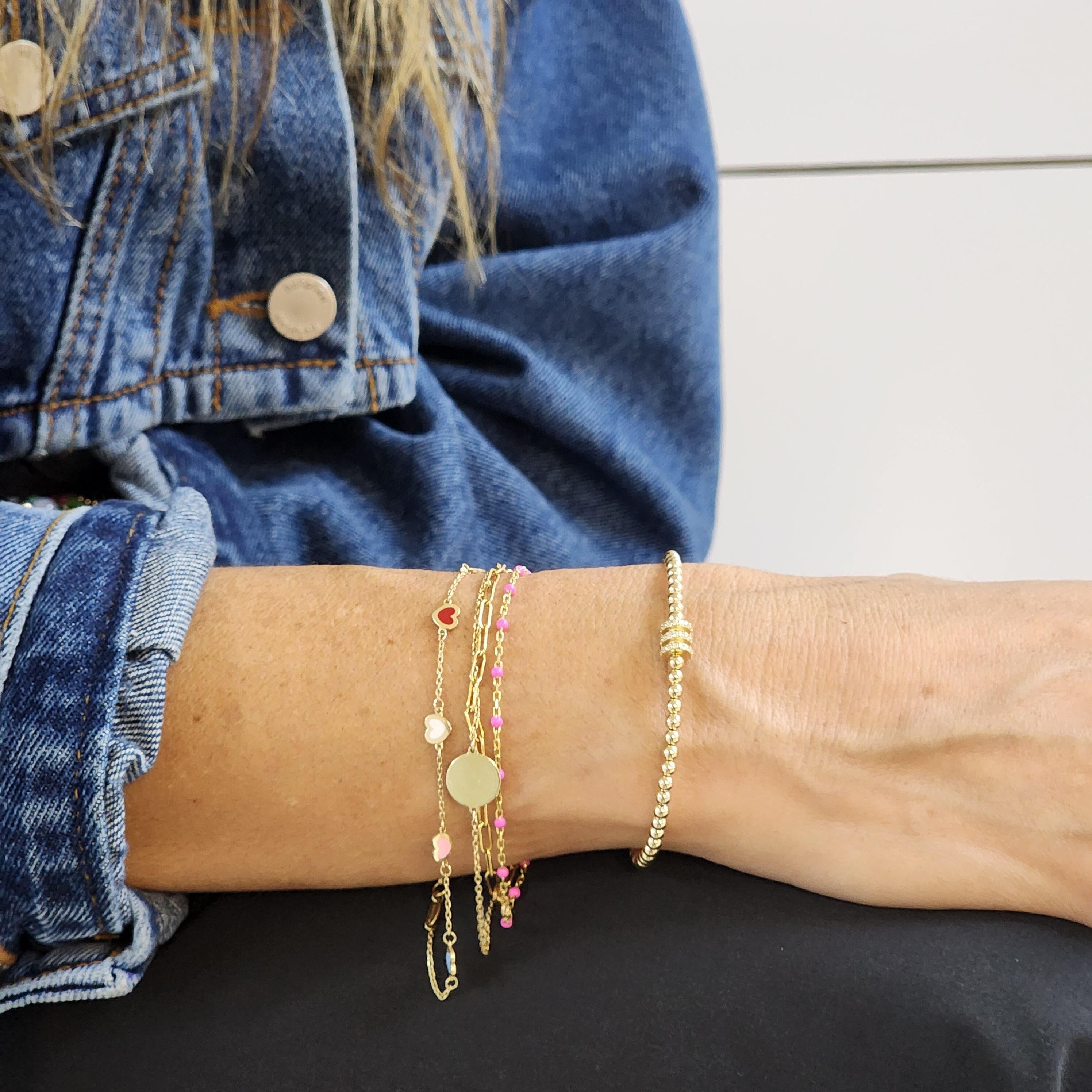
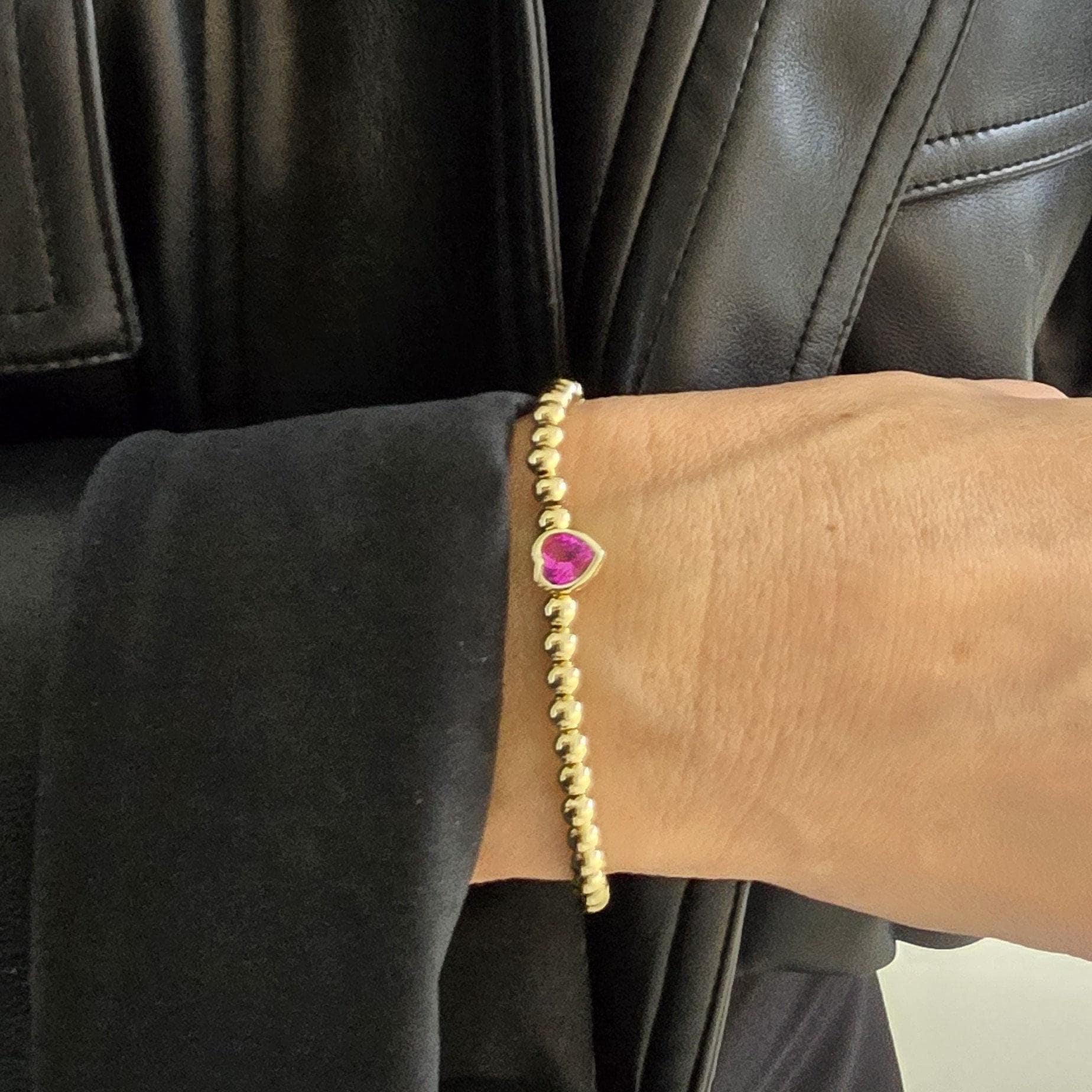

The red string most people picture when they hear "Kabbalah bracelet" traces back to a specific practice within Kabbalistic tradition. A thin red string, often wool, is wrapped around the wrist, most commonly the left one.
The idea behind it is tied to protection. In popular interpretation, the red string is meant to guard against the evil eye, a concept referring to harm believed to come from envy or ill will directed at a person. The red kabbalah string itself doesn't do the protecting on its own. The intention and blessing associated with tying it are considered part of the practice.
It's worth being precise here: not every person who practices Kabbalah wears a red string, and not everyone who wears one is a practicing Kabbalist. In recent decades, the kabbalah bracelet has moved well beyond religious circles and become a recognizable accessory in mainstream fashion, largely detached from its original ritual context.
That popularization has blurred the line between traditional religious practice and casual symbolic jewelry. Someone wearing a red string today might be following a specific Kabbalistic custom passed down through family, or they might simply like what the bracelet represents without any tie to the underlying religious framework. Both are common, and neither interpretation is wrong for the person wearing it.
Color symbolism isn't universal, but red shows up again and again in protective and meaningful contexts across unrelated cultures, which is part of why it became the color of choice for this kind of bracelet.
Red is frequently linked to vitality and life force. It's also the color most associated with warning and attention, which may explain why so many protective symbols across different traditions default to it rather than a quieter shade.
Strength is another recurring theme. In several cultural contexts, red is worn or displayed specifically because it's seen as bold and assertive, the opposite of something meant to fade into the background.
There isn't one single explanation that applies everywhere. Different traditions arrived at red independently, often for reasons specific to their own history and belief systems, and those separate paths are part of why the color carries so much symbolic weight today.
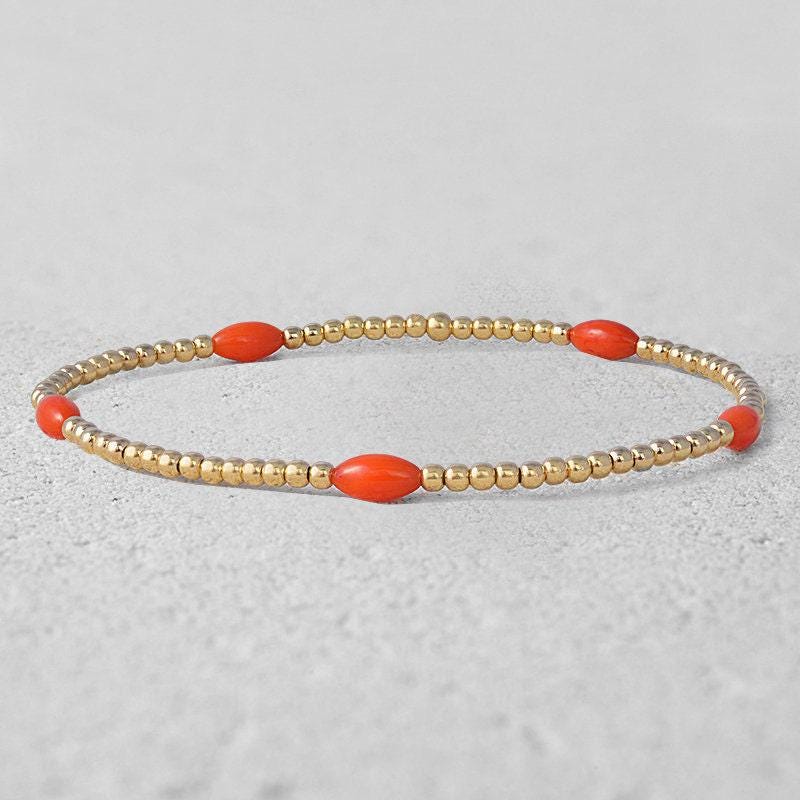
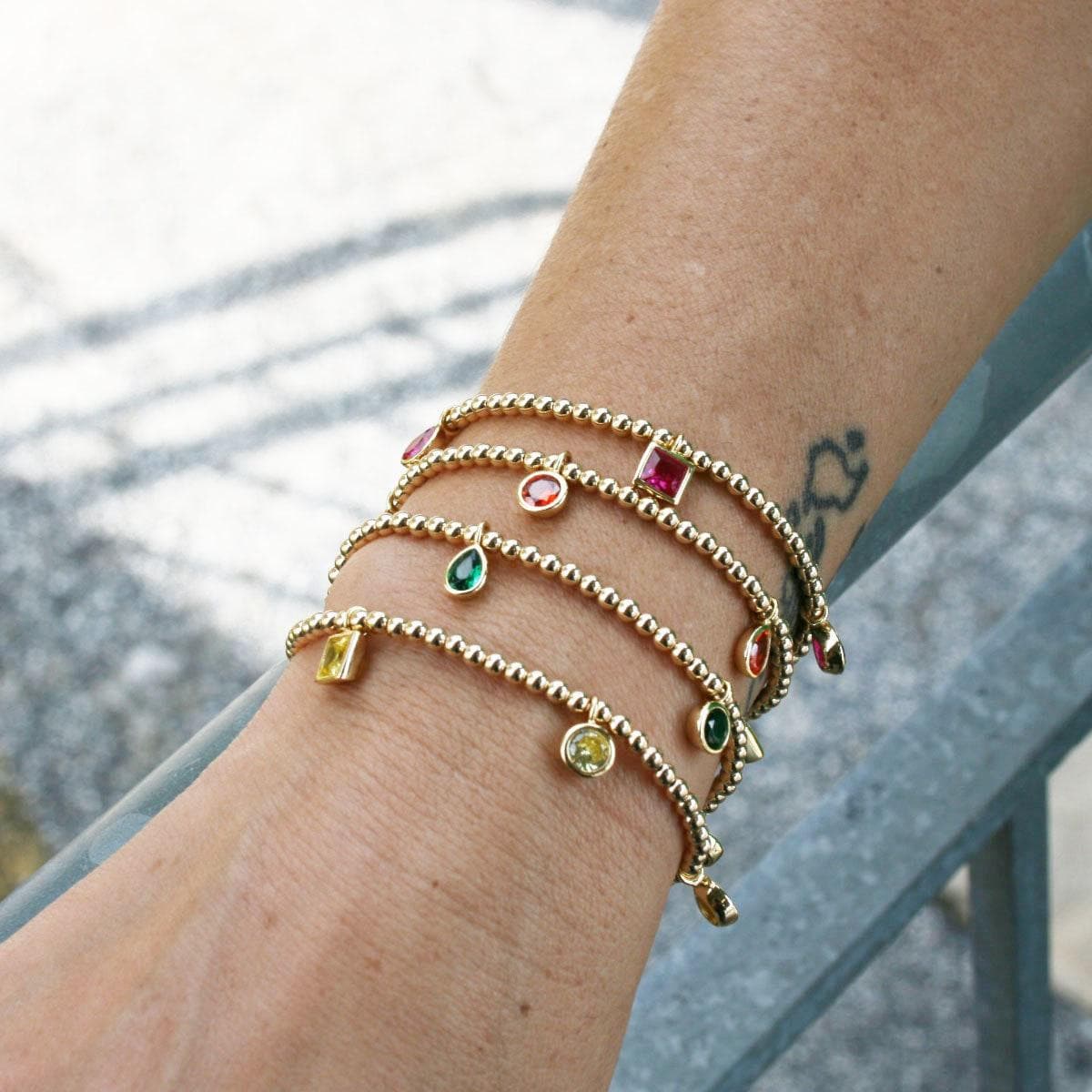
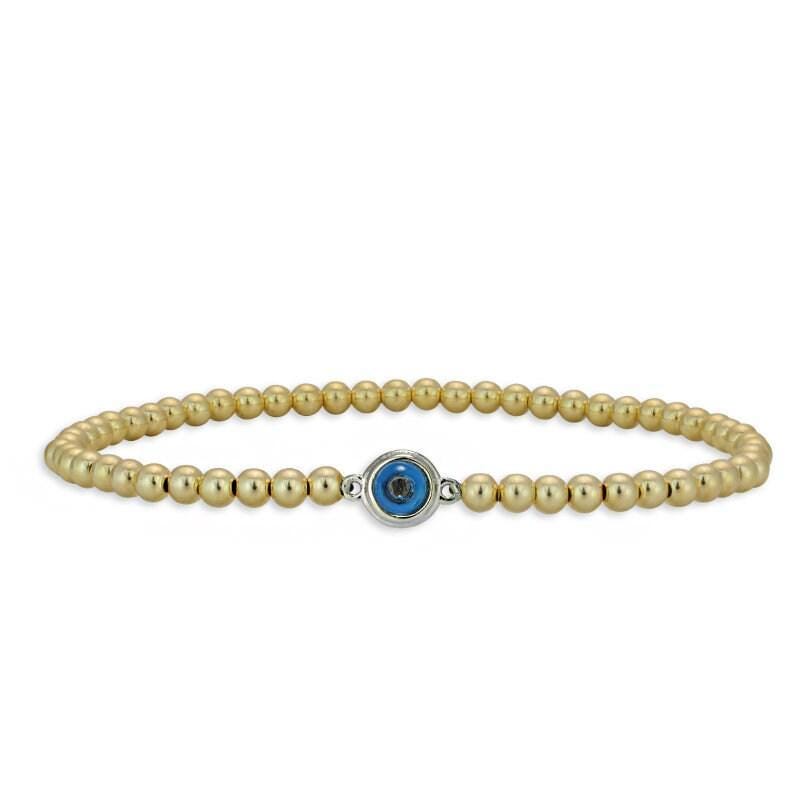
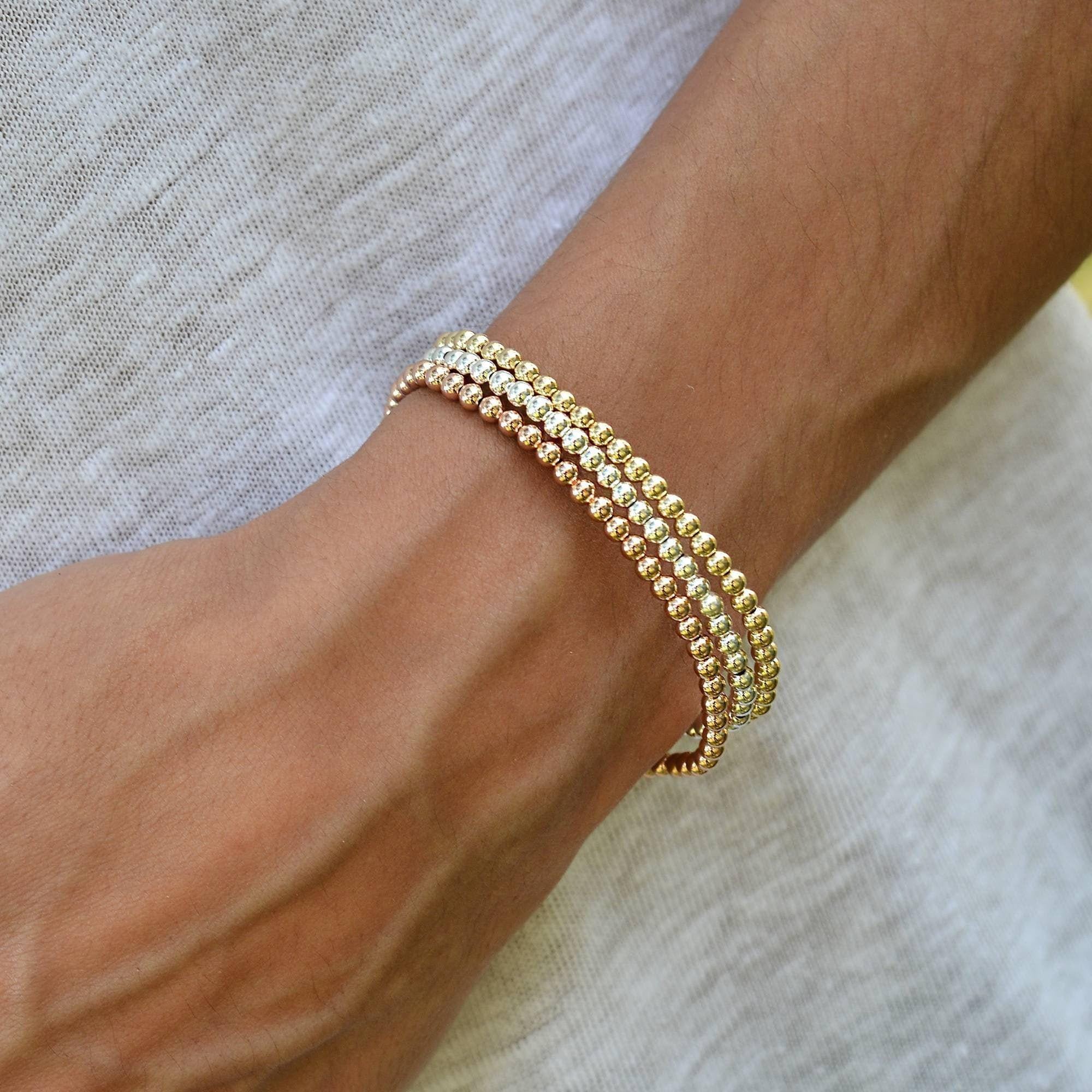
The left wrist holds specific significance in some Kabbalistic interpretations. The idea is rooted in the concept of receiving. The left side of the body is associated with taking in energy, while the right side is linked to giving it out.
Following that logic, tying the red string on the left wrist is meant to help the wearer receive protection rather than project it outward. It's a belief tied closely to intention. The string itself isn't considered to have an effect independent of the meaning placed on it.
This is a tradition, not a scientifically demonstrated outcome. It's worth stating plainly that no evidence supports a physical or measurable effect tied to which wrist the bracelet sits on.
That said, plenty of people today wear red string bracelets on whichever wrist feels comfortable, often switching sides based on which hand they write with or which one is more likely to catch on things during the day. For many wearers, it's simply become a matter of personal preference rather than adherence to the original custom.
The evil eye is a concept found across many cultures, including Mediterranean, Middle Eastern, South Asian, and Jewish traditions, though the specifics differ from one to the next. Broadly, it refers to the idea that envy or ill will directed at a person can cause harm, even unintentionally.
Because that belief has existed for thousands of years across so many regions, protective objects developed alongside it. Blue glass evil eye charms are probably the most recognizable example, but the red string serves a similar protective function within Kabbalistic tradition specifically.
The connection isn't that the string physically blocks anything measurable. It's a symbolic gesture, tied to intention and belief rather than demonstrated effect. People who find meaning in it aren't claiming a scientific mechanism, just a cultural or spiritual framework that gives the object significance.
Isabella Celini's own evil eye jewelry draws on this same broader symbolism, though it sits outside the specific red string Kabbalah tradition described here.
Also Read: Red Evil Eye Meaning: Symbolism, Protection & Culture
This is an area where it's easy to blur traditions that aren't actually connected, so it's worth being direct: the red Kabbalah string is not a Catholic practice, and there is no official Catholic sacramental involving a red string bracelet.
That doesn't mean red jewelry has no place in Catholic symbolism. Red does carry meaning in certain Christian contexts, often associated with the Passion, sacrifice, or the Holy Spirit, depending on the specific reference. Some Catholics choose to wear red as a personal nod to that symbolism, separate from anything tied to Kabbalah.
Individual believers sometimes assign their own meaning to jewelry regardless of its origin. A Catholic person might wear a red bracelet simply as a personal reminder of faith, without it representing any recognized doctrine or sacramental object.
So when people search for the red string bracelet catholic meaning, the honest answer is that it isn't a Catholic tradition in the way the Kabbalistic version is a Jewish mystical tradition. Any Catholic significance comes from the individual, not from an established practice.

Strip away the Kabbalah-specific context and red bracelets show up in a wide range of cultural traditions, each with its own separate origin.
In several East Asian cultures, red string or thread is tied to luck, protection, and sometimes romantic fate, appearing in wedding customs and New Year traditions. In parts of Latin America and the Mediterranean, red bracelets or threads are used as protection specifically for children, tied on by family members as a gesture of care.
Red has also long been associated with strength and vitality in various indigenous and folk traditions, worn as a marker of resilience rather than a religious statement. In more contemporary spiritual and wellness circles, red bracelets are sometimes chosen simply for their color symbolism, without connection to any specific inherited tradition.
The throughline across all of these is that red bracelet meaning isn't singular. Each version developed independently, shaped by its own history, and the fact that they share a color doesn't mean they share an origin story.
The honest answer is that it depends entirely on the person wearing it and the intention behind it. The same physical bracelet can serve completely different purposes for two different people.
For someone raised within a Kabbalistic or Jewish tradition, the red string might carry direct religious weight, tied to family custom or spiritual belief. For someone else, the same bracelet might be a fashion choice picked up because they liked the look of it in a jewelry collection or on someone else's wrist.
Neither wearer is required to explain their reasoning, and it isn't accurate to assume religious devotion just because someone is wearing a red string. The meaning lives in the intention the wearer brings to it, not in the object itself. A bracelet doesn't carry inherent religious status independent of the person wearing it and what they believe it represents.

Practically speaking, yes. There's no rule restricting who can put one on. But there's a difference between wearing something because you like it and adopting a symbol tied to a specific religious or cultural tradition without any awareness of its background.
If a symbol carries real weight within a particular community, treating it as a costume or a passing trend can come across as dismissive of that meaning, even if that's not the intention behind it.
A reasonable middle ground is simply understanding where the tradition comes from before wearing it, especially if the goal is genuine appreciation rather than just an accessory choice. That small bit of context tends to make the difference between casual disrespect and informed interest.
For people wearing it purely as a style choice, there's a lot of flexibility. Some prefer it on the left wrist out of tradition, while others simply put it wherever feels comfortable, often the wrist opposite their dominant hand.
It works well worn alone as a minimalist piece, especially if the string itself is thin and understated. It also pairs easily with other bracelets, whether that's beaded pieces, delicate chains, or stacked metal bands, for a layered look that's become common in everyday styling.
Casual outfits tend to suit it best, since the string has a low-key, understated look rather than a statement-piece presence. Placement may carry traditional significance for some wearers, but for most people today, it comes down to comfort and personal style rather than any expected outcome tied to which wrist it's on.
There's an important distinction to draw here between belief and evidence. Within Kabbalistic tradition and related cultural practices, the red string is believed to offer protection against negative energy or the evil eye. That belief has real meaning for the people who hold it.
There's no scientific evidence that a piece of string, regardless of color or how it's tied, produces a measurable protective effect. That's not a criticism of the tradition itself, just an honest distinction between spiritual belief and demonstrated fact.
What does hold up, separate from any supernatural claim, is that symbolic objects can genuinely matter to the people who wear them. A reminder of intention, a connection to family or heritage, or a personal touchstone during a hard stretch of life doesn't need scientific backing to be meaningful. That kind of significance is personal rather than measurable, and it's real in its own right.
What does the red string bracelet mean?
Its meaning depends on the tradition behind it. In Kabbalistic practice, it's associated with protection against negative energy. In other cultures, red thread bracelets relate to luck, connection, or personal intention. There's no single universal meaning attached to the object itself.
What does a red string bracelet mean spiritually?
Spiritually, it's often tied to intention setting, protection, or a personal marker of change. Many people wear one as a quiet reminder of something they're working toward, separate from any specific religious framework tied to the object.
What is the red Kabbalah string?
The red Kabbalah string is a thin red thread, typically wool, tied around the wrist within Kabbalistic tradition. It's associated with protection from negative energy and is often tied by another person as part of a small ritual involving intention.
What is a Kabbalah bracelet?
A Kabbalah bracelet generally refers to the red string worn as part of Kabbalistic custom, though the term has also become a broader marketing label for red-string-style jewelry sold without any specific religious affiliation attached.
Why do people wear a red string bracelet on their left wrist?
In Kabbalistic interpretation, the left side of the body is linked to receiving, so the string is tied there to symbolically receive protection. It's a belief rooted in tradition rather than a scientifically proven placement effect.
What does a red bracelet mean?
Across cultures, a red bracelet can represent protection, luck, strength, love, or cultural identity, depending on where the tradition originates. There isn't one fixed meaning that applies to every red bracelet regardless of background.
What is the red string bracelet Catholic meaning?
There isn't an official Catholic meaning tied specifically to the red Kabbalah string. Some Catholics wear red jewelry as a personal nod to Christian symbolism, but this is separate from the Kabbalistic tradition and not a recognized Catholic practice.
Is a red string bracelet a Catholic symbol?
No. The red string associated with protection and the evil eye comes from Kabbalistic tradition, not Catholicism. Any Catholic significance attached to red jewelry comes from personal interpretation rather than official Church teaching.
Does a red string bracelet protect you from the evil eye?
That belief exists within certain traditions, but there's no scientific evidence supporting a measurable protective effect from the string itself. For believers, the significance comes from intention and cultural meaning rather than a demonstrated outcome.
Can anyone wear a red string bracelet?
Yes, there's no restriction on who can wear one. That said, understanding the tradition behind it, rather than treating it as a passing trend, shows respect for the communities where the symbol carries real religious or cultural weight.
Is a red string bracelet religious?
It can be, depending on the wearer. For some, it's tied directly to Kabbalistic or Jewish tradition. For others, it's a fashion choice or personal symbol with no religious component attached. The bracelet itself doesn't dictate the meaning.
What does wearing a red string bracelet symbolize?
Depending on the wearer and tradition, it can symbolize protection, intention, connection to family or heritage, good fortune, or simply personal style. The symbolism comes from context rather than being fixed to the object itself.
Share

Share information about your brand with your customers. Describe a product, make announcements, or welcome customers to your store.