Flash Sale 70% Off
Give customers details about the banner image(s) or content on the template.
Write your store's popup content

A jewelry piece can be labeled “handmade” even when most of its production happens in a factory. That’s why the word alone doesn't tell you much.
Genuinely handmade jewelry involves meaningful human work during construction, shaping, assembly, finishing, or several stages of the process. The maker may use saws, pliers, files, torches, drills, polishing tools, or other equipment. Those tools don't make the jewelry machine-made.
The important question is simpler: How much of the actual piece was made or finished by a person, and what did that person do?
That distinction helps shoppers look past marketing language. It also makes it easier to understand why two pieces that look similar can have very different production stories.
Truly handmade jewelry is jewelry where a person plays a substantial role in turning materials or components into the finished piece.
That work can include cutting wire, shaping metal, assembling beads, forming components, soldering joints, setting stones, filing edges, creating textures, polishing surfaces, and checking the final result.
It doesn't mean an artisan sits at a workbench and refuses to use every modern tool.
A jeweler working by hand still needs equipment. A torch may be used for soldering. A jeweler's saw helps cut metal. Files smooth edges, while polishing tools bring a surface to its final finish.
The distinction is human construction versus automated mass production.
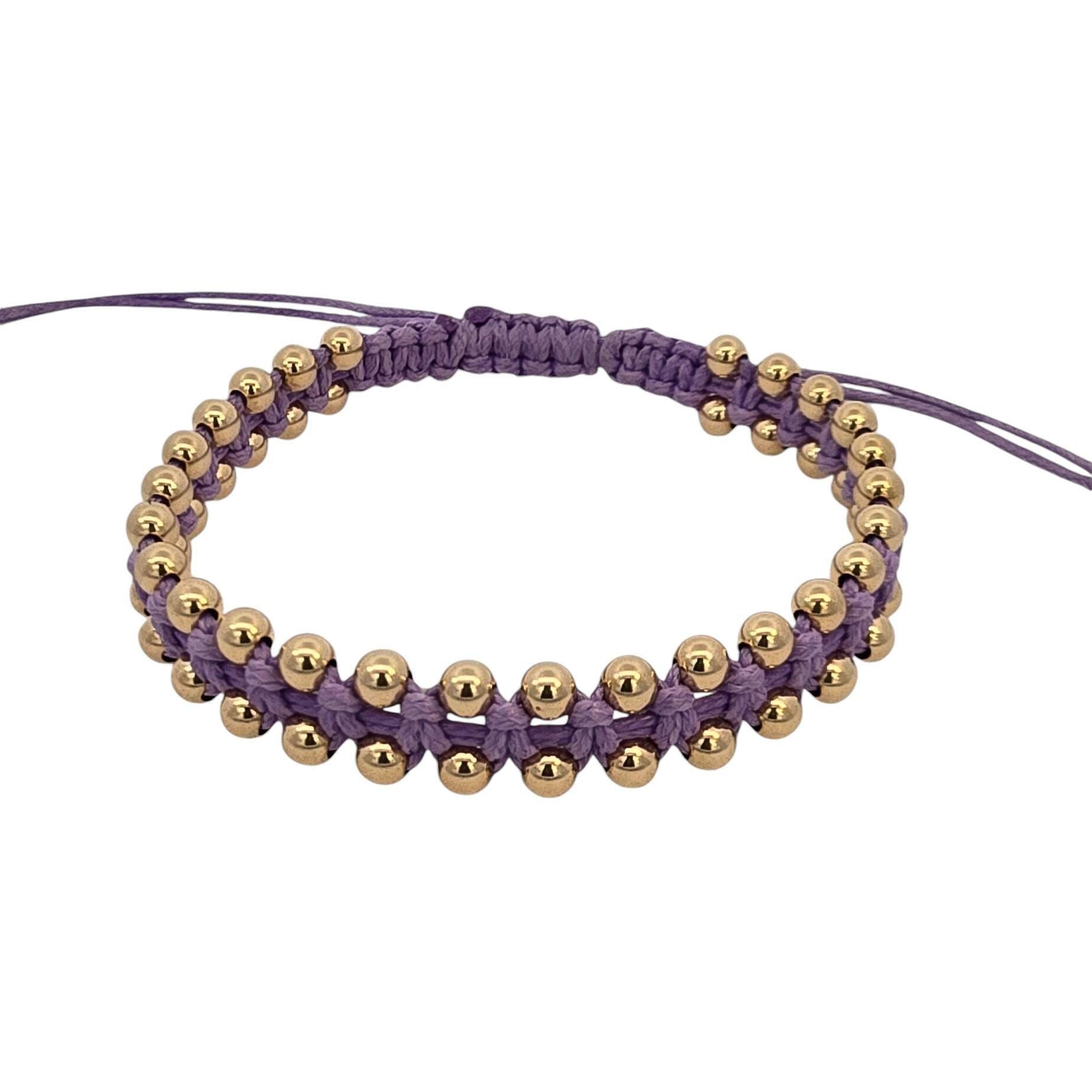
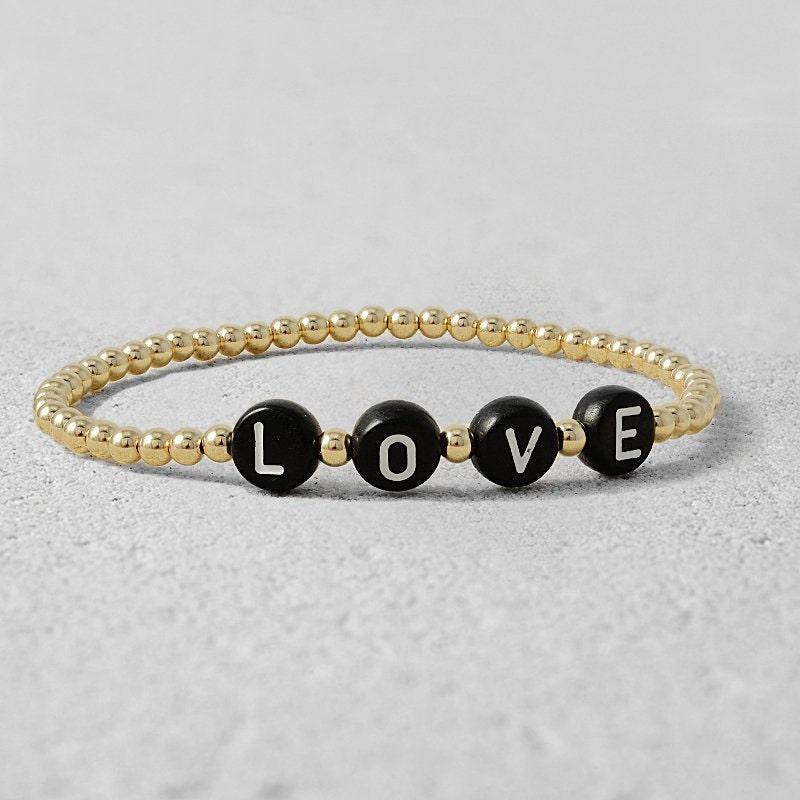
Consider a simple bracelet. If a maker selects the components, measures the design, strings or assembles them, adjusts the proportions, finishes the ends, and checks the completed bracelet by hand, there is meaningful craftsmanship in the production.
Now compare that with thousands of identical pieces produced automatically from a standardized process with little individual handling. Both can be attractive. They simply aren't made in the same way.
This is one of the most common misunderstandings.
Jewelry making has always involved tools. Traditional jewelers used hammers, files, saws, mandrels, punches, and other equipment long before modern manufacturing existed.
A handmade piece can therefore involve specialized machinery at certain stages and still be handmade overall.
What matters is the role of the maker.
If equipment performs a specific task while the artisan controls the design, construction, adjustment, and finishing, human workmanship remains central to the piece.
Artisan craftsmanship is the practical skill involved in making and finishing an item at a human scale.
It's more than saying that someone “put care into it.” You can actually see craftsmanship in certain parts of a finished piece.
Look closely at a handmade ring, for example. The proportions should make sense. Edges should feel comfortable against the skin. A textured surface should look intentional rather than random. If the piece has soldered joints, those areas should be clean and properly finished.
The maker's experience also affects material handling.
Different metals behave differently when cut, bent, heated, filed, or polished. Stones can require careful positioning because their shape, hardness, and setting method affect how they should be handled.
Small decisions add up.
An experienced artisan knows when to remove more material, when to stop filing, how much pressure to use during forming, and how a particular finish will change the appearance of the final piece.
That's where craftsmanship becomes visible.
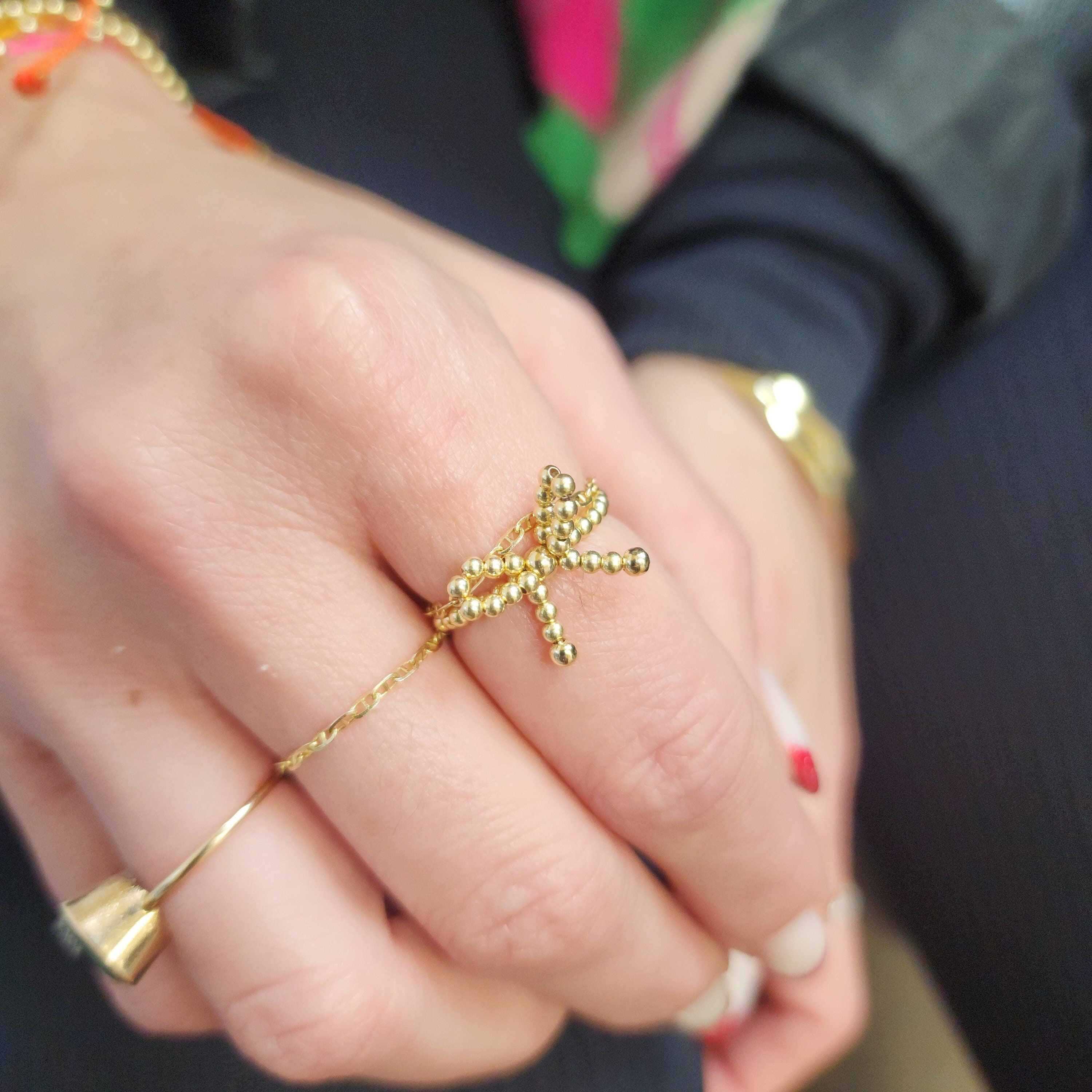

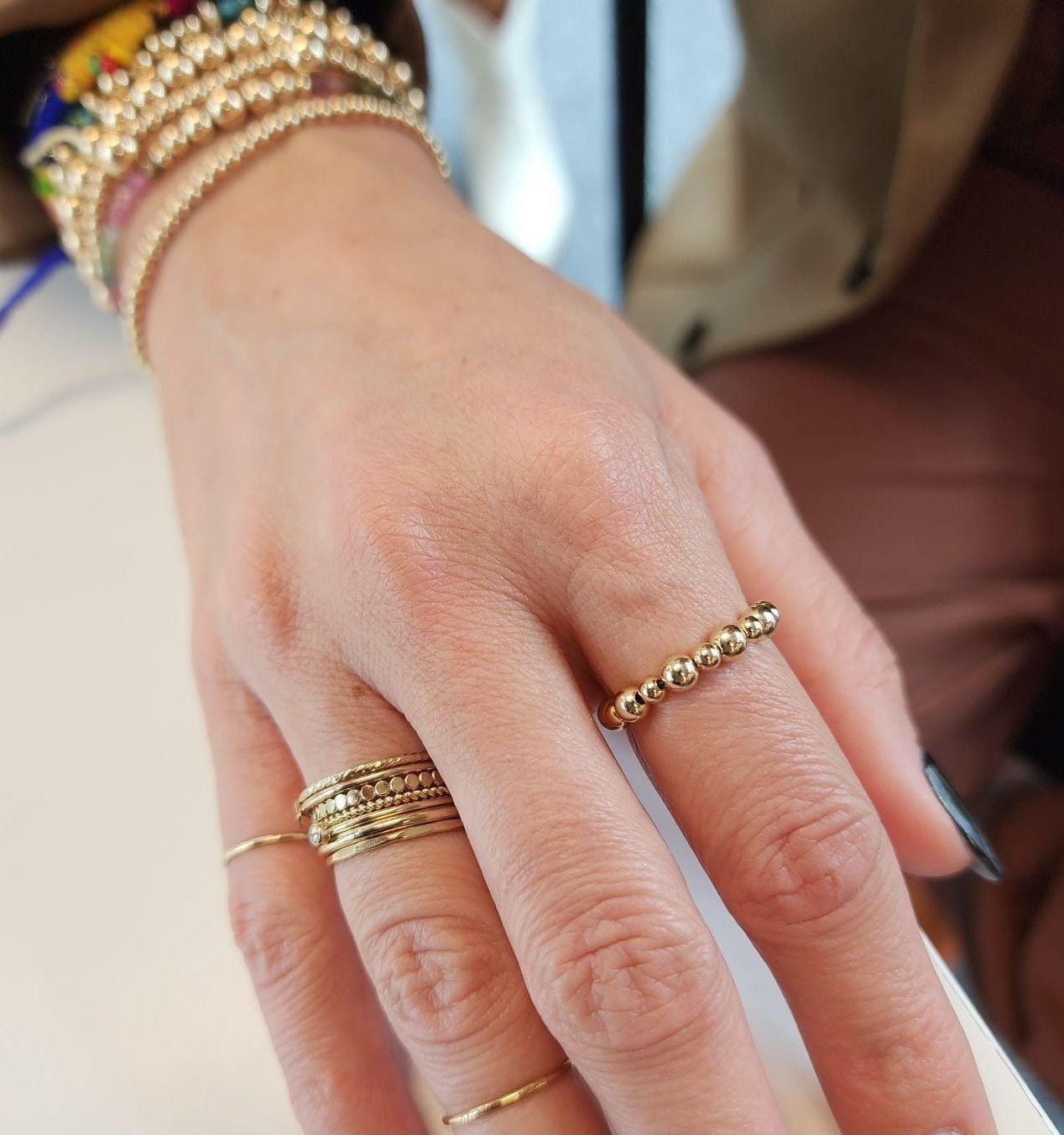
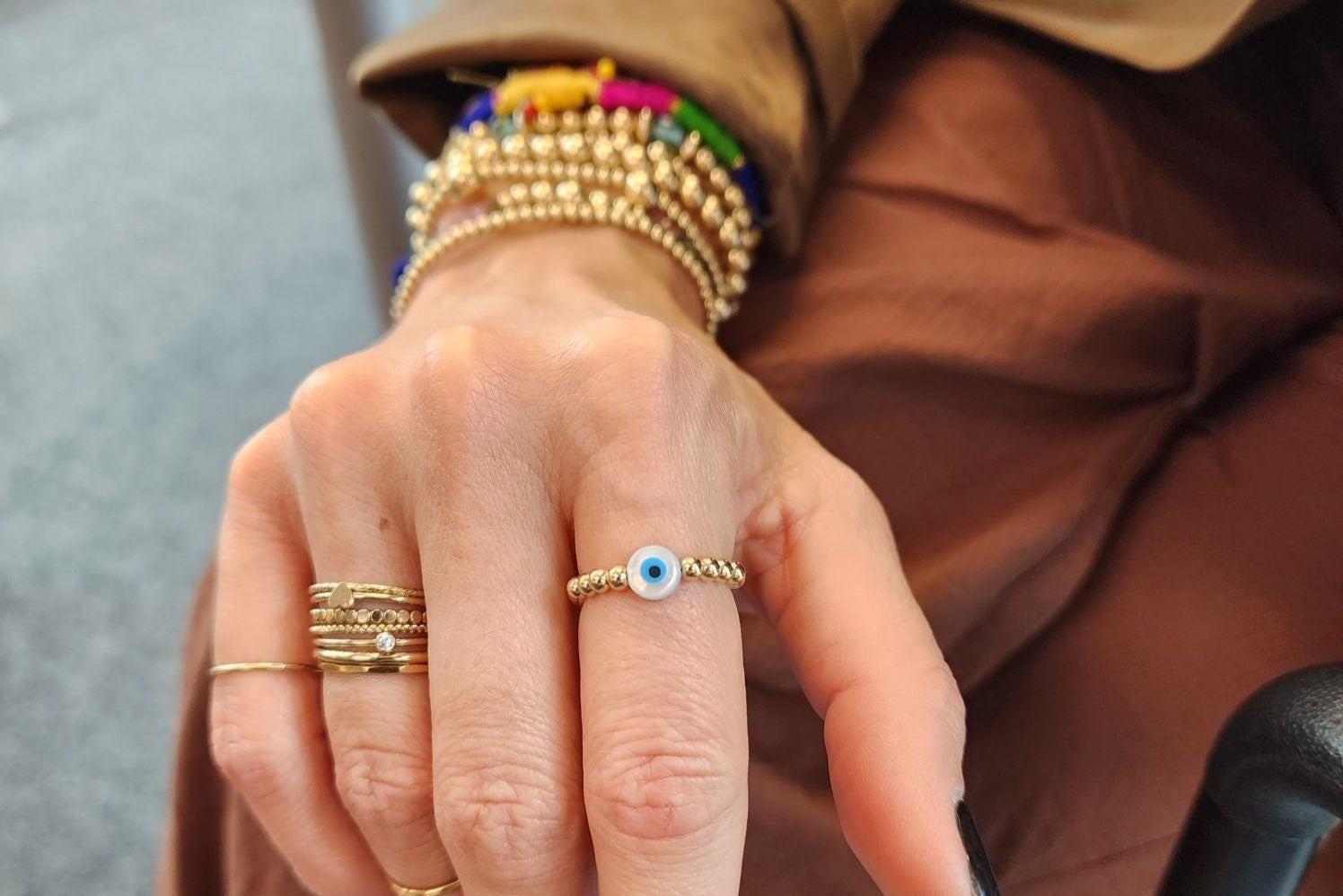
The difference isn't simply “good versus bad.” Mass production can produce consistent jewelry at high volumes, and some factory-made pieces can have excellent quality control.
The production approach is what changes.
|
Feature |
Handcrafted Jewelry |
Mass-Produced Jewelry |
|
Production method |
Built or substantially finished through hands-on work |
Designed for repeatable, high-volume production |
|
Design process |
Often controlled closely by an individual maker or small studio |
Usually developed for standardized manufacturing |
|
Finishing |
May involve individual filing, polishing, assembly, or inspection |
Usually follows standardized finishing processes |
|
Consistency |
Small differences may occur between pieces |
High consistency is usually the goal |
|
Variation |
Natural variations can occur |
Variations are generally minimized |
|
Production volume |
Often smaller batches or individual orders |
Commonly produced in larger quantities |
|
Customization |
Often easier to accommodate |
Usually limited to available options |
|
Maker involvement |
Direct involvement can continue through several stages |
Individual maker involvement is usually limited |
Neither approach automatically determines quality.
A well-made factory-produced necklace can outperform a poorly finished handmade necklace. Likewise, a skilled artisan can produce a level of detail that would be difficult to achieve economically through high-volume production.
For shoppers, the useful question isn't “Which label sounds better?”
Ask how the piece was actually produced.
There isn't one handmade technique that defines artisan jewelry. Different makers use different combinations depending on the design and materials.
A delicate wire-wrapped pendant may involve very different work from a forged silver ring. A beaded bracelet can require less metal forming but still involve careful measurement, assembly, tension control, and finishing.
Here are some of the techniques shoppers may encounter.
Metal can be shaped manually with tools such as pliers, mandrels, forming blocks, and hammers.
A maker might bend wire into a specific curve, form a ring around a mandrel, or gradually shape a component until the proportions match the design.
This process isn't always dramatic.
Sometimes the important work happens through many small adjustments. A few degrees of bending can change how a pendant hangs or how a ring sits on the finger.
Hand forming also allows the maker to react to the material as the piece develops.
Soldering joins metal components using heat and a separate solder material.
A jeweler may use a torch to heat a joint until the solder flows between the prepared surfaces. The area can then be cleaned, filed, and polished.
Using a torch doesn't make the piece machine-made.
The torch is a tool. The artisan still controls where the components meet, prepares the surfaces, manages the heat, checks the joint, and finishes the area afterward.
Good soldering is often subtle. A well-finished joint shouldn't look like a large lump of extra metal.
Jeweler's saws allow makers to cut metal into shapes, openings, or detailed patterns.
Files then help refine edges and surfaces.
Filing may sound basic, but it has a major effect on comfort and appearance. Rough edges can catch on clothing or feel uncomfortable against skin.
A skilled maker uses progressively finer finishing methods to bring the surface closer to the intended result.
Texture can completely change how metal looks.
A hammer can create small marks across a surface. Other tools can create lines, grooves, brushed effects, or more controlled patterns.
After texturing, the piece may still need filing, cleaning, and polishing.
Polishing isn't always about making everything mirror-bright. Depending on the design, a maker might create a high-shine surface, a satin finish, or a contrast between polished and textured areas.
Those decisions are part of the design.
Stone setting requires careful positioning because the stone needs to sit securely while still looking balanced within the design.
Depending on the setting, a jeweler may use tools to prepare a seat, position the stone, secure it, and finish the surrounding metal.
Small details matter here.
A stone that sits slightly off-center can change the appearance of an entire ring. The same is true for uneven spacing between stones or components.
Wire wrapping involves shaping wire around stones, beads, loops, or other components.
The maker controls the tension, spacing, direction, and placement of each section.
Hand assembly also appears in simpler jewelry.
Beads, charms, chains, clasps, cords, and other components may be measured and assembled manually. The process can look straightforward, but consistency still depends on the maker's technique.
Artisan jewelry often carries more visible evidence of individual design decisions.
That can appear in the proportions of a pendant, the choice of stone, the spacing between beads, the shape of a wire element, or the contrast between two surface finishes.
It doesn't mean every artisan piece is completely unique.
A maker can create the same design 50 times. The design remains the same, but small handmade differences may occur during construction or finishing.
Material selection can also influence the final appearance.
A stone may have natural differences in color or pattern. Handmade textures may vary slightly. Even the way a surface catches light can change from one finished piece to another.
Those details can make a small production run feel different from jewelry designed primarily around factory-level uniformity.
Small differences aren't automatically flaws.
When people work with metal, beads, stones, wire, and other materials by hand, tiny variations can happen. In many cases, they're a normal result of the process.
You might notice a slight difference in texture from one piece to another. A handmade surface could have subtly different hammer marks, while stone placement may vary by a small amount.
The important part is knowing where to draw the line.
Examples can include:
These differences don't necessarily affect how the jewelry works.
More serious concerns include:
A useful rule is this: variation can be part of handmade character, but poor construction is still poor construction.
That distinction protects shoppers from accepting genuine defects simply because a seller uses the word “handmade.”
“Unique” is another word that deserves some caution.
A unique design doesn't necessarily mean there is only one example in existence.
A designer may create an original pendant shape and then produce 100 pieces from that design. The concept can still be distinctive, even though the finished pieces aren't one-of-a-kind.
Unique design can come from several places:
“Limited” and “one-of-a-kind” should also be treated differently.
If a piece is genuinely one-of-a-kind, there should only be one finished example. If a design is produced in a small batch, it can be limited without being singular.
The wording matters because shoppers deserve to know what they're actually buying.
Traditional craftsmanship hasn't disappeared simply because modern tools exist.
Many jewelry techniques still depend on skills that have been passed through generations, while contemporary makers use modern equipment to improve accuracy, efficiency, or finishing.
The two aren't opposites.
A modern artisan might use a computer to develop a design, a modern polishing machine for finishing, and traditional hand-forming or soldering techniques during construction.
That's still a human-led production process.
The practical value of traditional techniques is the control they give the maker. Forming, hammering, sawing, soldering, and hand-finishing allow adjustments that aren't always possible when every production step has been standardized.
Modern design can therefore sit comfortably beside traditional workmanship.
You don't need to be a trained jeweler to ask useful questions.
Start with the product description. A credible handmade description should tell you something about the actual production process.
Look for details such as:
Specific information is more useful than decorative language.
“Handmade with care” doesn't tell you much by itself.
“Each bracelet is hand-assembled using individually selected beads and finished with an adjustable cord” gives you a much clearer picture of what handmade means for that particular product.
Be more careful when a product is described as handmade but provides almost no production information.
Other signs worth questioning include:
They simply mean you should ask more questions before relying on the label.
No.
That's an important point.
Handmade describes how something is produced, not a guaranteed quality level.
Quality depends on the materials, construction, skill of the maker, finishing, durability, and quality control.
A poorly constructed handmade bracelet can still have a weak clasp or loose component. A mass-produced bracelet can be carefully engineered and consistently finished.
When judging quality, look beyond the production label.
Check the material information. Examine close-up photos. Look at the joins, edges, closures, stone settings, and surface finish when those details are visible.
For online shoppers, product photography becomes especially useful.
A clear close-up can tell you much more than a polished lifestyle photograph taken from several feet away.
That depends on what matters to you.
Some shoppers value the connection to a maker and prefer smaller production runs. Others care most about design, materials, price, or consistent sizing.
Handmade jewelry can offer meaningful value when the workmanship is genuinely part of the product.
You may be paying for more than raw materials. The price can also reflect design development, manual construction, finishing time, skilled labor, quality checks, and smaller production quantities.
That doesn't mean every handmade piece deserves a premium price.
Compare the actual details.
Ask what materials were used, how much work goes into construction, whether the design is original, and whether the maker provides repair or customization options.
Then decide if those qualities matter to you.
If you're shopping online, these questions can quickly separate useful information from vague marketing.
Look for a specific studio, workshop, city, or maker rather than a vague statement about being “artisan made.”
This is probably the most useful question.
A product may contain a manufactured component while still being handmade overall. Find out which stages involve human construction.
Ask whether the piece is hand-formed, soldered, wire-wrapped, hand-strung, stone-set, textured, or finished by hand.
Material names should be specific enough for you to understand what you're buying.
For example, a seller should distinguish between solid gold, gold-filled, gold-plated, sterling silver, gemstones, pearls, and other materials.
If the product is made by hand, ask whether small variations are expected.
That helps you know what to expect when your actual piece arrives.
A handmade finishing process doesn't necessarily mean the underlying design was individually created.
There is nothing inherently wrong with using standardized components. You simply want accurate information.
Finishing can include filing, polishing, cleaning, surface treatment, assembly checks, and other final steps.
A repair policy can tell you something about how the maker approaches long-term ownership.
Not every artisan offers customization, but smaller production can sometimes make adjustments easier.
The two terms are often used interchangeably.
In everyday shopping language, “handmade” and “handcrafted” can both describe jewelry that receives substantial human workmanship.
The problem is that neither word, by itself, tells you exactly how much of the production was done by hand.
One seller may use “handcrafted” for jewelry assembled from manufactured components. Another may use “handmade” for pieces where nearly every construction stage happens at the workbench.
So don't get stuck on the label.
Read the production details instead.
The actual process tells you far more than the adjective.
Using a machine doesn't automatically remove handmade status.
A jeweler may use a drill for a precise hole, a polishing motor for a consistent finish, or specialized equipment to prepare a component.
What matters is whether the machine is performing a defined task within a larger process controlled by the maker.
Mass production works differently.
The manufacturing system is designed to repeat the same operation at scale, often with automated or highly standardized steps that minimize individual handling.
There is a spectrum between completely hand-built work and fully automated manufacturing.
Many modern jewelry businesses operate somewhere in the middle.
Understanding that spectrum is far more useful than treating “handmade” and “machine-made” as two absolute categories.
Before purchasing, ask yourself:
Production
Craftsmanship
Materials
Design
After purchase
You don't need to check every box for every purchase.
Still, the more specific information a seller provides, the easier it becomes to judge the product on its actual merits.
When a brand makes handmade claims, the production story should support them.
Isabella Celini describes its jewelry as handmade in Miami, with its bracelets, necklaces, rings, and anklets hand-strung and crafted in-house. Its published brand story also explains that its materials are selected with quality and everyday use in mind.
That kind of information is more useful than simply calling a product “handmade.” It gives shoppers a clearer idea of where the human work happens.
The broader collection also includes gold-filled bracelets, necklaces, rings, and other pieces described as handcrafted, giving shoppers an opportunity to compare different designs and construction styles.
Truly handmade jewelry is defined by meaningful human workmanship, not by the absence of tools.
A maker can use a torch, saw, file, drill, or polishing equipment and still create a handmade piece. What matters is who controls the construction, how much individual work goes into the piece, and how the final jewelry is finished and checked.
Small variations can be normal. Defects aren't.
A handmade label also doesn't guarantee better quality. Materials, construction, finishing, durability, and maker skill still matter.
For shoppers, the best approach is simple: look past the label and ask about the process.
When a seller can clearly explain how a piece is shaped, assembled, finished, and inspected, you have much better information for judging whether the craftsmanship is genuinely handmade.
Jewelry is genuinely handmade when a person has substantial involvement in constructing or finishing the piece. This can include shaping, assembling, soldering, setting, polishing, texturing, or other hands-on work.
The terms are often used in similar ways. Neither term alone explains the production method, so shoppers should look for details about what parts of the jewelry are actually made or finished by hand.
Artisan jewelry generally refers to jewelry made by a skilled craftsperson or small-scale maker. The term points toward individual workmanship, but buyers should still check how the piece is produced.
Common techniques include hand forming, wire wrapping, sawing, filing, soldering, hammer texturing, stone setting, polishing, hand assembly, and hand finishing.
No. A maker can produce many pieces from the same design. Handmade construction can create small differences between pieces, but that doesn't make every item one-of-a-kind.
It can have minor variations in texture, shape, finish, or component placement. However, loose stones, sharp edges, broken joints, and other construction problems should not be dismissed as normal handmade variation.
Not automatically. Handmade describes the production method, while quality depends on materials, construction, finishing, durability, skill, and quality control.
Look for specific production information. A credible description should explain who makes the jewelry, which parts are handmade, what techniques are used, and whether variations are expected.
Artisan craftsmanship is the practical skill used to design, construct, shape, assemble, and finish an item. In jewelry, it can be seen in details such as clean joins, balanced proportions, controlled textures, secure settings, and polished edges.
Traditional techniques still provide makers with direct control over shaping, joining, texturing, and finishing. Modern tools can support these methods without replacing the human decisions involved in the work.
Share

Share information about your brand with your customers. Describe a product, make announcements, or welcome customers to your store.