


Hamsa Hand Meaning: Symbolism, Origins and Necklace Styles
Hamsa Hand Meaning: What the Symbol Represents and How It Shows Up in Jewelry
Hamsa hand meaning centers on protection, good fortune and well-being, although the details shift from one community to the next.
The Hamsa is an open, hand-shaped symbol, usually drawn with five fingers and often with an eye set in the palm. It turns up on jewelry, doorways, wall art and keepsakes across the Middle East, North Africa and many other places.
No single definition covers every wearer. For one person it's a family tradition. For another it's a religious emblem, a personal reminder or just a design they find striking. Knowing which layer a piece speaks to makes it much easier to choose one that fits.
What Does the Hamsa Hand Mean?
Ask what does the Hamsa hand mean and the most common answer is protection. The open palm is often read as a raised hand that holds harm at a distance.
Good fortune and blessings come up almost as often. Many people also link the symbol to general well-being, a sense of being looked after at home and in relationships.
The name itself points to the number five. Hamsa comes from the word for five in Arabic and Hebrew, which is why the five-fingered shape sits at the center of the design. Some wearers attach their own ideas to each finger, but those readings are personal rather than standardized.
When an eye appears in the middle of the palm, it's commonly read as watchfulness, an image of something keeping a lookout.
All of these meanings come from cultural and spiritual belief. There's no scientific evidence that a symbol, on a necklace or anywhere else, shields a person from danger, illness or bad luck. What it can offer is meaning: a reminder, a comfort, a link to tradition. Plenty of people value an object for exactly that reason, and it doesn't need to be proven to matter to them.


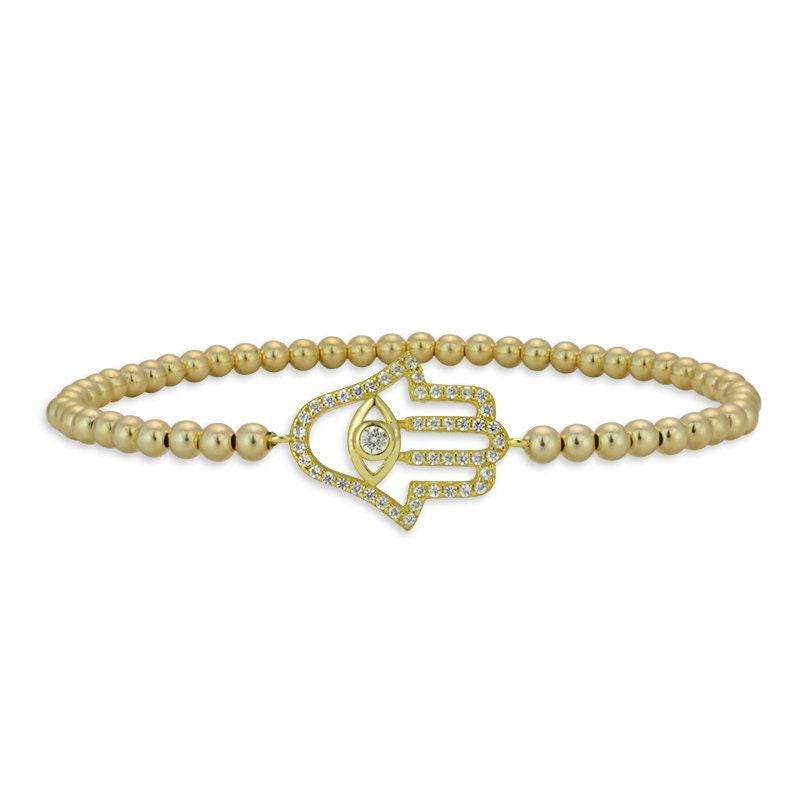
Where Does the Hamsa Hand Symbol Come From?
The Hamsa is most closely associated with the Middle East and North Africa, and it has long been used by Jewish and Muslim communities in those regions. It also appears well beyond them, carried by migration, trade and, more recently, global jewelry design.
That's why it goes by more than one name. In many Muslim contexts it's often called the Hand of Fatima. In many Jewish contexts it's often called the Hand of Miriam. Plenty of people simply say Hamsa and leave it there.
Pinning the symbol to one exact date or place is difficult, and guessing wouldn't help anyone. What can be said with confidence is that hand-shaped protective imagery shows up in several traditions, and each community brings its own interpretation.
It also helps to avoid treating the Hamsa as the property of one faith or as something with one fixed meaning. Some families regard it as a religious symbol. Others see folk tradition or cultural heritage. Many wearers today relate to it mainly as personal jewelry. All of these exist side by side.
Even small details vary. Some people prefer the fingers pointing up, others down, and each choice comes with its own explanations. There's no universal rule, so family or community custom is the better reference if a specific tradition matters to you.
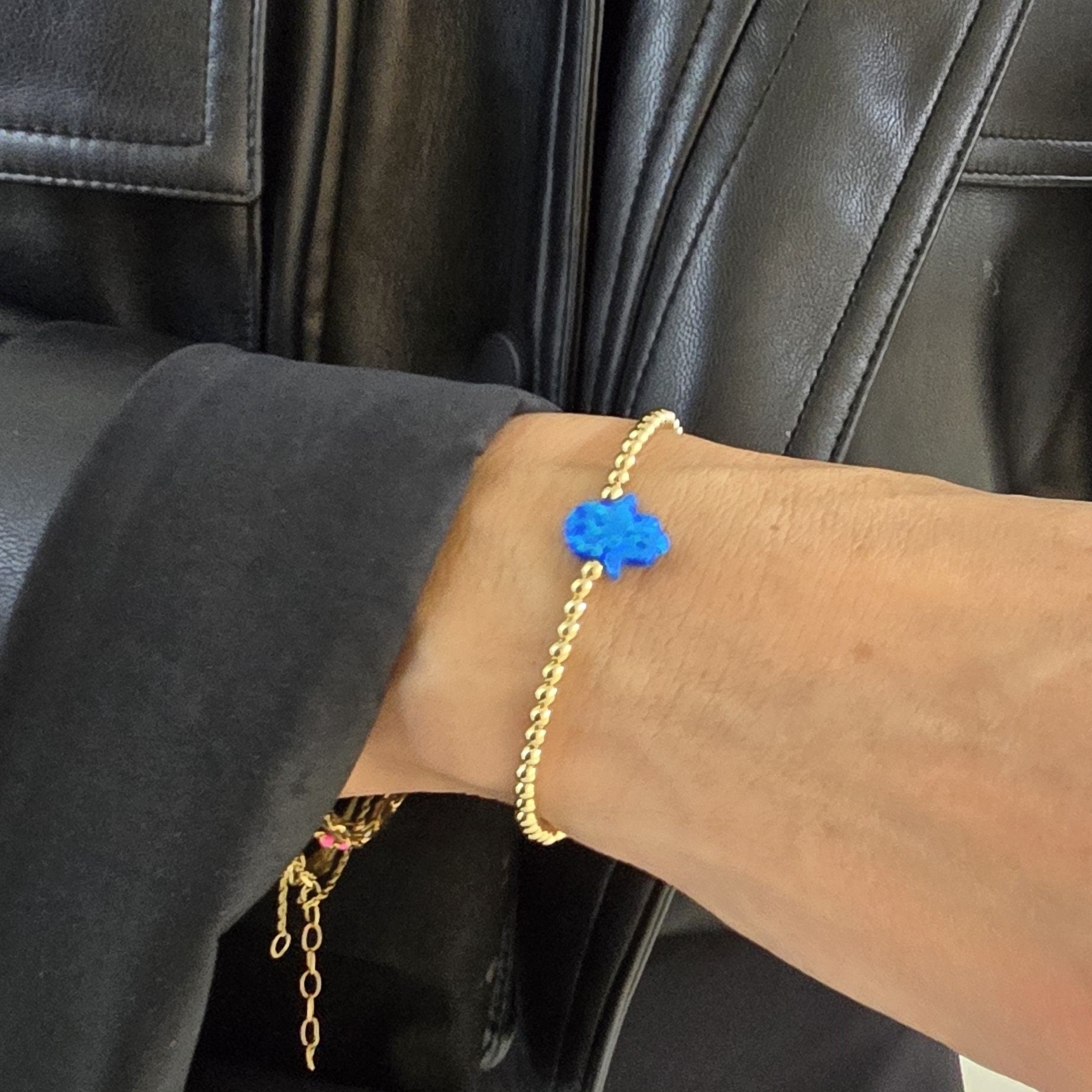

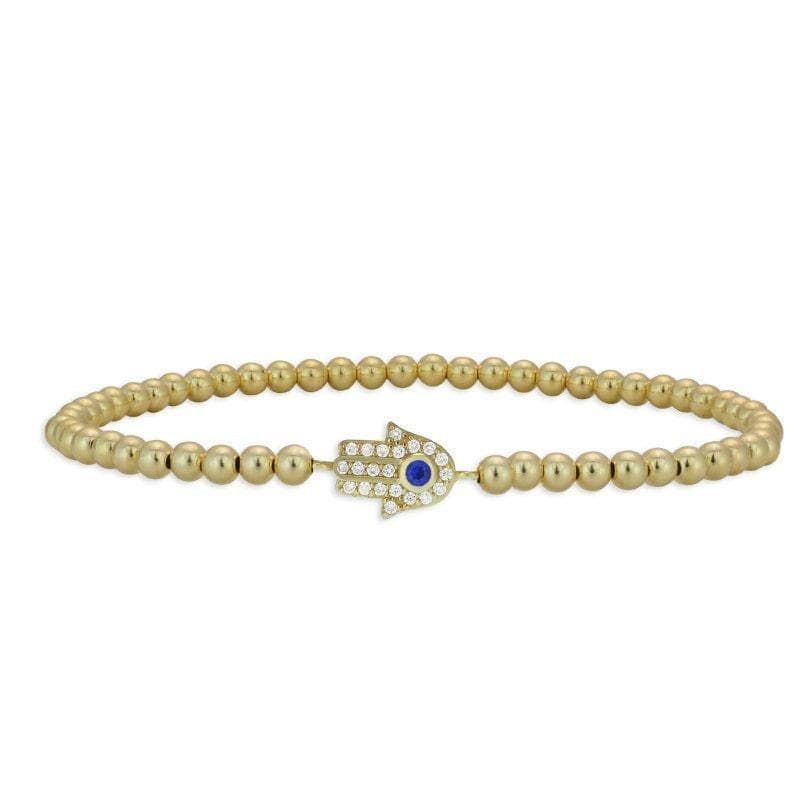
What Does the Hamsa Hand Mean in Jewelry?
In jewelry, the Hamsa tends to work on three levels at once: the symbolism, the personal story behind it, and the design itself.
Symbolism is the obvious draw. Someone who connects with themes of protection and good fortune may like wearing a small reminder of them. Personal significance is quieter. A Hamsa hand charm might mark a new home, a big move, a milestone birthday or a family tradition a person wants to carry along.
Design deserves credit too. The open palm is graphic and balanced, which makes it easy to wear as a single pendant. Some versions are plain outlines. Others add an eye, cutouts, beads or small stones.
That flexibility makes a Hamsa piece a reasonable keepsake or gift, as long as it suits the person receiving it. Not everyone shares the beliefs behind the symbol, so a short note about why you chose it goes a long way.
Symbolic pieces also sit comfortably alongside current trends. For a wider look at how symbolic jewelry fits into modern style, the evil eye is a useful comparison, since it made the same move from tradition into everyday fashion.
Hamsa Hand Necklace: Meaning and Styling
A Hamsa hand necklace keeps the symbol near the chest, where others can see it but the wearer isn't staring at it all day. For some people that distance suits a symbol that works as a quiet personal reminder.
Shoppers who type "hand necklace hamsa" into a search bar are usually after exactly this: a pendant shaped like the Hamsa, hung on a chain.
Worn alone, a Hamsa pendant becomes the single focal point, which suits a minimal look. Layered with a plain chain or a second pendant, it reads more relaxed and collected. If you layer, let the Hamsa be the larger or more detailed piece and keep the other chains simple, so the shape stays readable.
Pendant size changes the whole effect. A small Hamsa feels delicate and tucks easily under a collar. A larger one makes a clear statement and wants a plain neckline around it. Check the listed dimensions instead of judging from photos, since pendants can look bigger or smaller on screen.
Chain length decides where the symbol lands. Shorter chains keep it near the collarbone, longer ones drop it onto the chest, and the pendant's own height adds to that drop. For specifics on choosing the right necklace length, start from the neckline you wear most. A scoop or V-neck leaves room for a longer chain, while a crew neck usually works better with a shorter one.
What Is the Difference Between a Hamsa Hand and an Evil Eye?
The two are often mentioned together, but they're separate symbols. The Hamsa is a hand. The evil eye is an eye, usually a round, often blue, eye-shaped motif.
The evil eye also names a belief found in many cultures: that envy or ill will carried in a look can bring misfortune. The eye symbol is traditionally associated with guarding against that. The Hamsa's themes are broader, taking in blessing and well-being along with protection.
They overlap in some jewelry traditions, which is why you'll often see them paired. One doesn't replace the other, though. For more on the symbolism behind evil eye jewelry, that symbol has its own meanings and history, and they're worth reading about separately.
Hamsa Hand Evil Eye Necklace: What Does the Combination Represent?
A Hamsa hand evil eye necklace usually places an eye motif in the palm of the Hamsa, or pairs a Hamsa pendant with a separate evil eye charm on the same chain.
The appeal is largely symbolic layering. The hand brings its associations with blessing and well-being, and the eye adds its traditional link to guarding against envy and unwanted attention. Together they express a similar wish in two visual languages.
As with the Hamsa on its own, these readings are cultural and spiritual beliefs, not promised outcomes. A combined design doesn't double anything. It simply gives someone who values both symbols one piece to wear, and the eye in the palm gives the pendant a clear focal point.
How to Choose a Hamsa Necklace or Charm
Start with the design. A clean outline looks modern and pairs easily with other jewelry. A detailed version with an eye, stones or cutouts has more character but competes with anything worn nearby. If finger direction matters to you, check it before buying.
Then think about comfort. A heavier pendant on a very fine chain can twist or sag, so the weight of the pendant and the strength of the chain should suit each other.
Materials need a careful read. Look at the listing for the metal, whether it's solid, plated or filled, and the finish, particularly if your skin is sensitive. Don't assume a quality from the price or the photos.
Budget is easier to set before browsing. Price usually reflects material, size and detail, not how meaningful the symbol is, so a simple piece can carry just as much personal significance as an elaborate one.
Finally, consider how you'll use it. A pendant for everyday wear should feel secure and low-maintenance. A charm meant for a bracelet or existing chain needs a loop large enough to slide on, so check that before ordering.
How to Wear a Hamsa Necklace
With solid-color tops, a Hamsa pendant has room to show its shape. A plain tee, a button-down or a knit all work. Against busy prints, a smaller pendant tends to look more intentional.
For layering, leave a couple of inches between chains so pendants don't land at the same spot. A short plain chain above a Hamsa pendant is a simple combination that rarely looks crowded.
A Hamsa also works as a gift for milestones such as a new home, a graduation or a fresh start. Pair it with a short note about what the symbol means to you, and pick a modest design if you're unsure of the recipient's taste.
Some people keep a Hamsa charm for more than one use, moving it between a necklace chain and a bracelet depending on the day. That works well when the loop is sized for both.
Wearing the Symbol on Your Own Terms
The Hamsa carries layers of meaning, from protection and good fortune to heritage and personal memory, and no one reading is the only correct one. What matters most is understanding where the symbol comes from and choosing a piece that fits your style and your reasons for wearing it.
If the evil eye or necklace proportions are the next questions on your list, the related reading linked above covers both in more depth.
Frequently Asked Questions
Is the Hamsa hand a religious symbol?
It can be, depending on who wears it. Some Jewish and Muslim families see it in a religious context, while others treat it as cultural heritage or folk tradition. Many people wear it simply as symbolic jewelry.
Which way should a Hamsa hand face?
There's no single rule. Some wearers prefer the fingers pointing up, others down, and each preference has its own explanation. Family or community tradition is the best reference if the direction matters to you.
Is the Hamsa the same as the Hand of Fatima?
They refer to the same hand-shaped symbol. Hand of Fatima is a name commonly used in Muslim contexts, and Hand of Miriam is used in many Jewish contexts. Hamsa is the more general name.
Can anyone wear a Hamsa necklace?
Many people wear it for cultural, sentimental or style reasons. Because the symbol is meaningful to certain communities, it's thoughtful to understand where it comes from and wear it respectfully.
Does a Hamsa necklace actually protect you?
The protective meaning is a cultural and spiritual belief, not a proven effect. Many wearers value it as a reminder or comfort, and that personal significance is the real reason most people keep one.
Can you wear a Hamsa and an evil eye together?
Yes. Many designs combine them, either as an eye in the palm of the hand or as two charms on one chain. They're separate symbols with related associations, so wearing them together is a matter of personal taste.
Share
