Flash Sale 70% Off
Give customers details about the banner image(s) or content on the template.
Write your store's popup content

A quality gold filled necklace can last 10 to 30 years with regular wear and reasonable care, though the actual number depends on how the piece is built, how often it's worn, and how it's treated day to day. That range comes from the thickness of the bonded gold layer used in construction. It's not a fixed guarantee stamped on every piece that leaves the factory.
A necklace worn daily and never cleaned won't hold up the same way as one worn a few times a week and stored properly afterward. Friction, chemical exposure, water contact, and storage habits all factor into how long does a gold filled necklace last in real, everyday use.
What stays consistent is the core reason gold filled jewelry holds up better than plated pieces in the first place. The gold layer itself is far thicker, and that difference in construction is what drives the entire lifespan conversation.
Gold filled necklace lifespan typically falls somewhere between 10 and 30 years for pieces worn under normal, everyday conditions. That's a wide range on purpose. Two people can buy the identical necklace and see very different results depending on how they wear and care for it.
Someone who wears the necklace occasionally, keeps it away from chlorine and harsh chemicals, and stores it flat in a dry spot is more likely to land on the higher end of that range. Someone who wears the same necklace to sleep, in the shower, and during workouts every single day is putting more cumulative stress on the piece, which can shorten how long it stays looking new.
There's also a difference between a necklace still being technically wearable and a necklace still looking its best. A 15 year old gold filled necklace might still have plenty of gold layer left but show some surface wear near the clasp or in spots where it rubbed against skin or clothing. Both of those outcomes fall under "the necklace lasted," but they look different in practice.
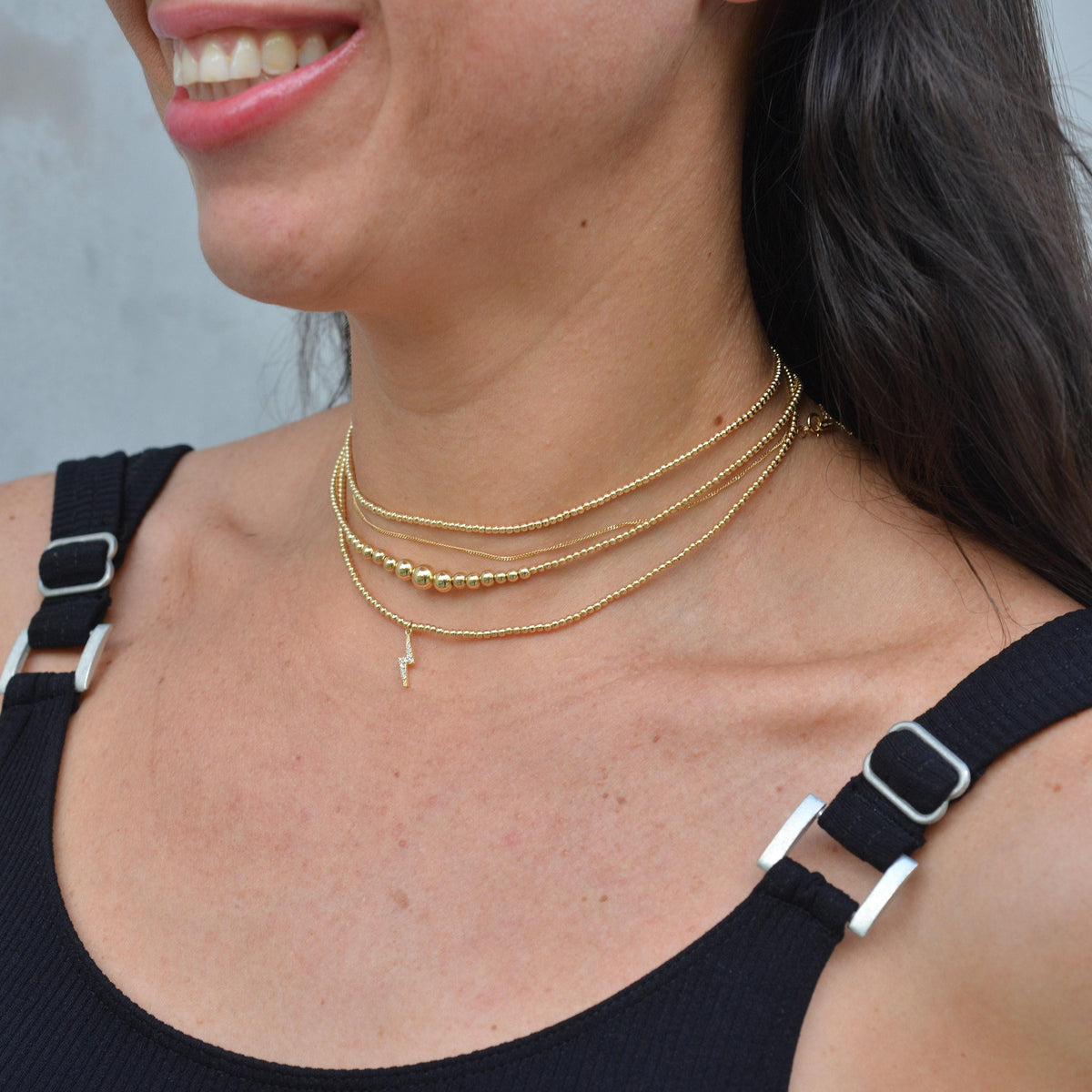
Gold filled necklace durability comes down to construction, not marketing. Gold filled jewelry is made by mechanically bonding a real layer of gold to a base metal core, usually brass, using heat and pressure. That bonded layer has to make up at least 5% of the item's total weight to legally be called gold filled.
That 5% figure sounds small, but it's a meaningful amount of actual gold sitting on the surface, especially compared to gold plating. The thicker the bonded layer, the more material there is to gradually wear through before the base metal underneath ever becomes visible, which is exactly why how durable is gold filled jewelry tends to come up in comparisons with cheaper alternatives.
How long does a gold filled necklace last with daily wear is one of the most common versions of this question, and the honest answer is that daily wear alone doesn't doom a necklace. Plenty of people wear the same gold filled piece to work, errands, workouts, and everything in between for years without major issues.
What matters more than frequency is what that daily wear actually involves. Sweating during a workout, layering the necklace with other chains that rub against it, or handling it constantly while getting dressed all add friction over time. None of that is dangerous in a single instance, but it adds up.
A gold filled necklace worn every day, wiped down occasionally, and taken off before heavy chemical exposure can realistically last for many years. The same necklace worn every day with zero care, constant friction from layered jewelry, and no protection from sweat or lotion buildup will likely show wear sooner than one treated a bit more carefully.
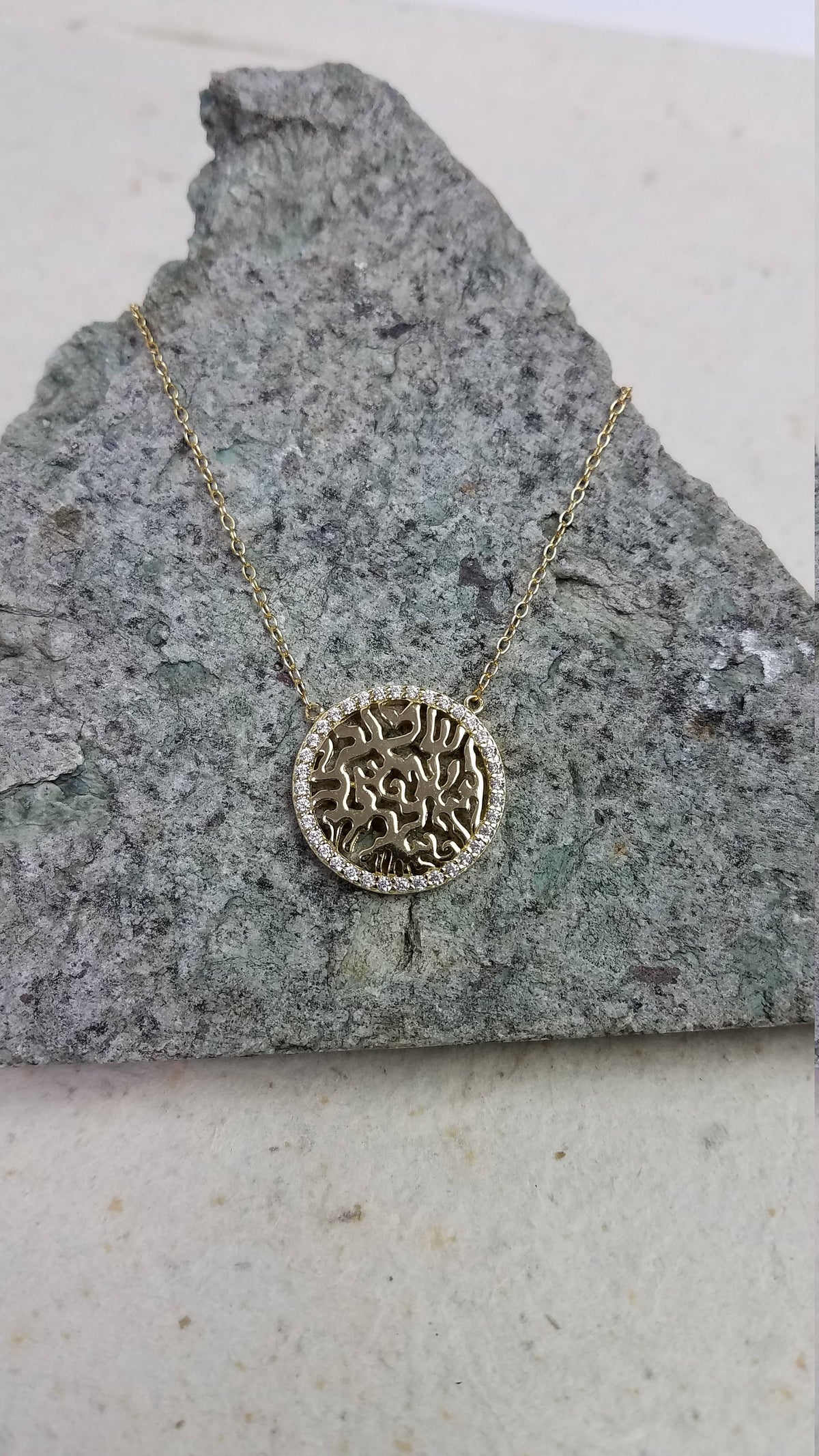
Does gold filled jewelry fade and does gold filled jewelry tarnish are related but slightly different questions, and it helps to separate them. Tarnishing is a chemical reaction on the surface, usually from exposure to air, moisture, or certain chemicals, and it can typically be cleaned off. Fading or wearing off is different. That refers to the actual gold layer thinning in specific spots.
No jewelry material, gold filled included, is completely immune to abrasion. Areas that experience repeated friction, like where a clasp rubs against skin or where a pendant slides against a chain, are the spots most likely to show wear first. That's normal and expected over a long enough timeline.
What gold filled jewelry does not typically do is flake, peel, or turn green the way cheap plated pieces can. The bonded construction means any visible change tends to be gradual thinning in high friction areas rather than sudden, obvious deterioration.
Water exposure deserves its own answer separate from general lifespan, because how long does gold filled jewelry last in water really depends on which kind of water and how often.
Occasional contact with rain, sweat, or handwashing generally isn't a problem for gold filled construction. Showering with a gold filled necklace now and then is unlikely to cause noticeable damage on its own. Where things get riskier is repeated, prolonged exposure to salt water or chlorinated water, both of which are more chemically aggressive and can accelerate wear on the surface over time.
It's important to be clear here: gold filled material being generally water resistant is not the same as a specific product being marketed as waterproof. Not every Isabella Celini necklace is described as waterproof, and readers shouldn't assume that every piece can handle pools, oceans, and hot tubs indefinitely just because it's gold filled. If a specific necklace is listed as waterproof in its product description, that claim applies to that piece, not to gold filled jewelry as a category.
A few habits tend to show up repeatedly in necklaces that wear out faster than expected.
None of these cause instant damage. It's the repetition over months and years that gradually shortens how long the necklace stays looking new.
A handful of simple habits make a real difference in how long will a gold filled necklace last.
Putting the necklace on after applying perfume, lotion, and skincare rather than before gives those products time to absorb instead of sitting directly on the metal. Wiping the necklace down with a soft, dry cloth after a sweaty day or heavy exposure removes residue before it has a chance to build up.
Storing it separately, either flat or hanging, prevents it from rubbing against other jewelry in a drawer or box. When cleaning is needed, mild soap and lukewarm water with a soft cloth is usually enough. Avoid anything abrasive. Taking the necklace off before swimming, intense workouts, or manual labor also goes a long way toward extending its useful life.
For a full walkthrough of cleaning steps, storage recommendations, and what to avoid day to day, the gold-filled jewelry care guide breaks it down in more detail than fits here.
When it comes strictly to longevity, gold filled construction has a clear advantage over gold plating. Gold plated jewelry uses a much thinner coating of gold applied through electroplating, and that thin coating is more vulnerable to wearing through with regular use. Depending on how often it's worn, a gold plated piece can start showing base metal in a matter of months to a couple of years.
Gold filled jewelry uses a substantially thicker, mechanically bonded gold layer, which is designed to hold up to years of regular wear rather than occasional use. That difference in construction is the main reason gold filled is generally the better choice for anyone who wants to wear a piece often without worrying about it wearing through quickly. The gold filled vs gold plated comparison covers the full construction breakdown for anyone who wants more detail beyond longevity.
Solid gold doesn't have a separate bonded layer to wear through, since the gold runs through the entire piece. That means solid gold jewelry doesn't face the same kind of surface thinning that gold filled jewelry can experience over decades of heavy wear.
That said, gold filled jewelry can still provide long term wear at a fraction of the price, and both materials can realistically last for many years when cared for properly. Physical damage like bent clasps or stretched links can happen to either material regardless of gold content. For readers weighing the price difference alongside longevity, the gold filled vs solid gold comparison and the necklace price comparison both go into more depth on that tradeoff.
No complicated maintenance is required to keep a gold filled necklace in good shape. It doesn't need professional cleaning or special storage equipment.
A few consistent habits, like keeping it away from harsh chemicals, wiping it down occasionally, and storing it separately from other jewelry, make a noticeable difference over time.
There's no arbitrary expiration date on a gold filled necklace based purely on age. A five year old necklace and a fifteen year old necklace could both still be in great condition, or both could be showing wear, depending entirely on how they were treated.
The better signal is condition rather than a calendar. Visible base metal showing through in high friction spots, a clasp that no longer closes securely, stretched or deformed chain links, and significant scratching that doesn't buff out are all signs that a necklace may have reached the end of its useful life. Minor surface wear or occasional cleaning needs don't mean it's time to replace anything.
Yes, people often choose gold-filled necklaces specifically for everyday wear, and that's part of why the material exists as an alternative to solid gold. The thicker bonded layer is built to handle more regular use than plated jewelry can.
That said, everyday wear doesn't mean immune to damage. Treating it with a bit of care, like taking it off before swimming or heavy physical work, still matters even for jewelry marketed as durable enough for daily use.
For most people who want jewelry they can actually wear often without babying it, gold filled offers a practical middle ground. It carries a real gold layer, holds up better than typical plated pieces under regular use, and costs meaningfully less than solid gold.
The tradeoff is that it's not entirely immune to wear the way solid gold is, and it does require a bit of basic care to get the most out of it. For someone shopping the gold filled necklace collection with everyday wear in mind, that combination of durability and price tends to make sense, though it comes down to individual priorities around cost, longevity, and how much upkeep someone is willing to do.
How long does a gold filled necklace last?
Typically 10 to 30 years with regular wear and reasonable care, though the exact number depends on wear frequency, exposure to chemicals and water, and storage habits. It's an approximate range, not a guaranteed lifespan for every piece.
Does a gold filled necklace last longer than gold plated?
Yes. Gold filled jewelry uses a much thicker bonded gold layer than gold plated jewelry, which is electroplated with a thin coating. That extra thickness generally means gold filled pieces hold up to regular wear significantly longer.
Can you wear a gold filled necklace every day?
Yes, gold filled necklaces are commonly worn daily. The thicker gold layer is built for regular use, though taking basic care steps like avoiding harsh chemicals still helps it last longer.
Does gold filled jewelry fade?
It can show gradual wear in high friction areas over a long period, such as near a clasp or where it rubs against other jewelry. This is different from flaking or peeling, which is more common with cheaper plated pieces.
Does gold filled jewelry tarnish?
It can develop light surface tarnish from exposure to air, moisture, or certain chemicals, but this can usually be cleaned off with mild soap and water. It's not the same as the gold layer wearing away.
Can you shower with a gold filled necklace?
Occasional exposure to water from showering is generally fine for gold filled jewelry. Repeated exposure to chlorinated or salt water over time is more likely to affect the surface than everyday water contact.
Can you swim with a gold filled necklace?
It's best to remove a gold filled necklace before swimming in pools or the ocean, since chlorine and salt water can be harsher on the surface with repeated exposure, unless the specific piece is explicitly listed as waterproof.
How do you make a gold filled necklace last longer?
Put it on after applying perfume and lotion, wipe it down after heavy exposure, store it separately from other jewelry, and remove it before swimming or heavy physical work.
Is a gold filled necklace worth it?
For everyday wear, gold filled offers a practical balance of a real gold layer, meaningful durability, and a lower price than solid gold, though it still benefits from basic care over time.
Share

Share information about your brand with your customers. Describe a product, make announcements, or welcome customers to your store.