Flash Sale 70% Off
Give customers details about the banner image(s) or content on the template.
Write your store's popup content

Seeing 14K gold plated on a jewelry listing can create a very reasonable question: if the label says 14K gold, is the entire necklace or bracelet actually made from 14K gold?
No. But that does not mean the jewelry contains fake gold.
Gold plated jewelry has a layer of real gold on its surface. The important detail is that the gold is only a coating. The metal underneath is made from another material, and that base metal makes up most of the piece.
There is another detail shoppers often miss. The karat number describes the gold used for the plating, not necessarily the composition of the entire item. So a necklace described as 14K gold plated has a 14K gold layer over a different underlying metal. It is not the same construction as solid 14K gold jewelry.
That small distinction explains the difference in price, durability, gold content, care requirements and resale value.
Yes. Gold plated jewelry uses real gold for its outer layer.
The confusion comes from the fact that the entire piece is not made from gold.
Think of a gold plated necklace as having two basic parts:
Outer layer: real gold
Inside: another metal, often a base metal selected for the design and manufacturing requirements
The gold is applied to the surface in a very thin layer, commonly through an electroplating process. This gives the finished jewelry its gold color and appearance without requiring the entire piece to be made from a precious metal.
So, is gold plating real gold? Yes.
Is gold plated jewelry solid gold? No.
Those two answers can exist together without contradiction.
The Federal Trade Commission's jewelry guidance distinguishes gold plated products from jewelry made from gold throughout. The FTC also requires jewelry descriptions to accurately represent the material and metallic content being sold.
This is why calling gold plated jewelry "fake gold" isn't quite right. The gold on the surface is genuine. There is simply much less of it than there would be in a solid gold piece.
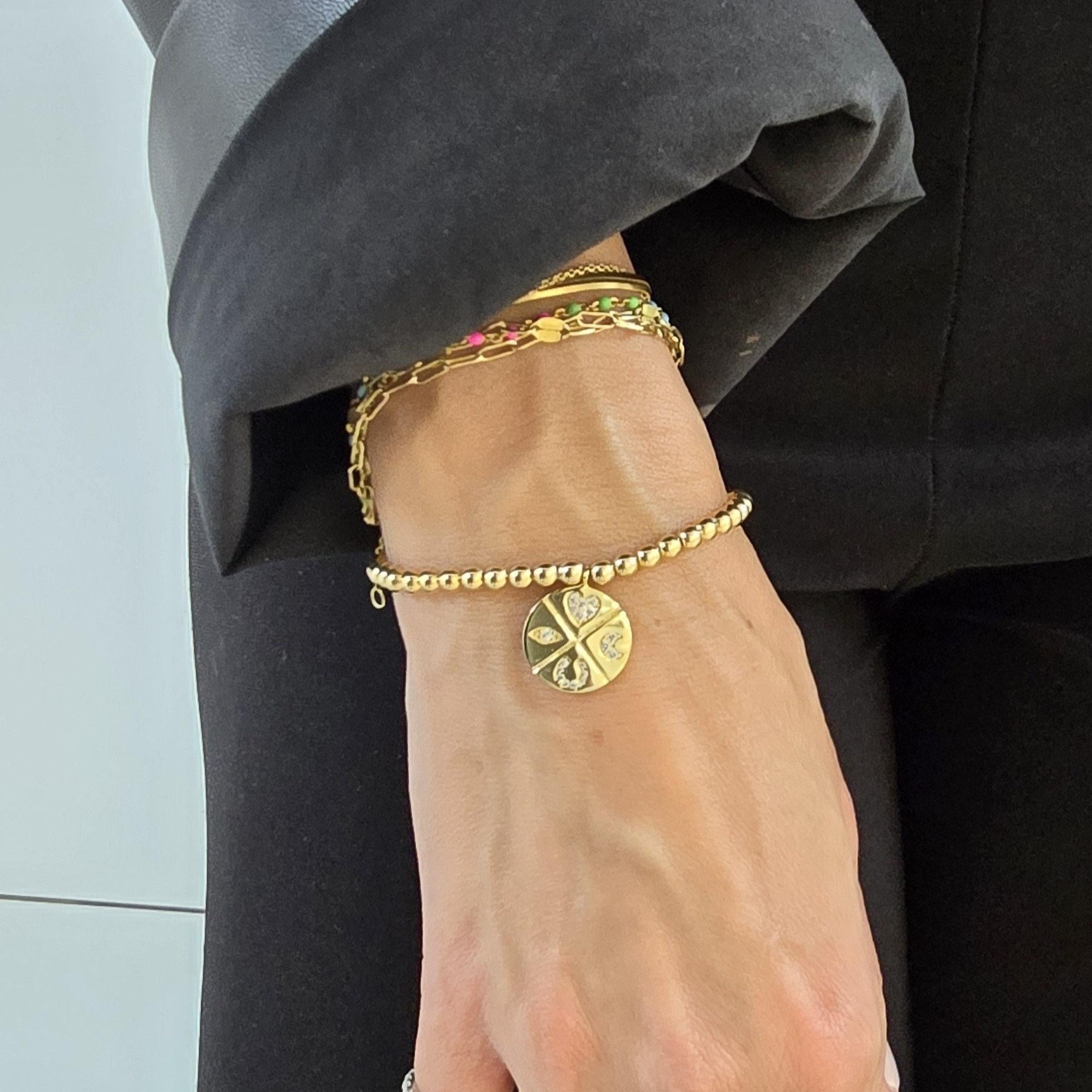
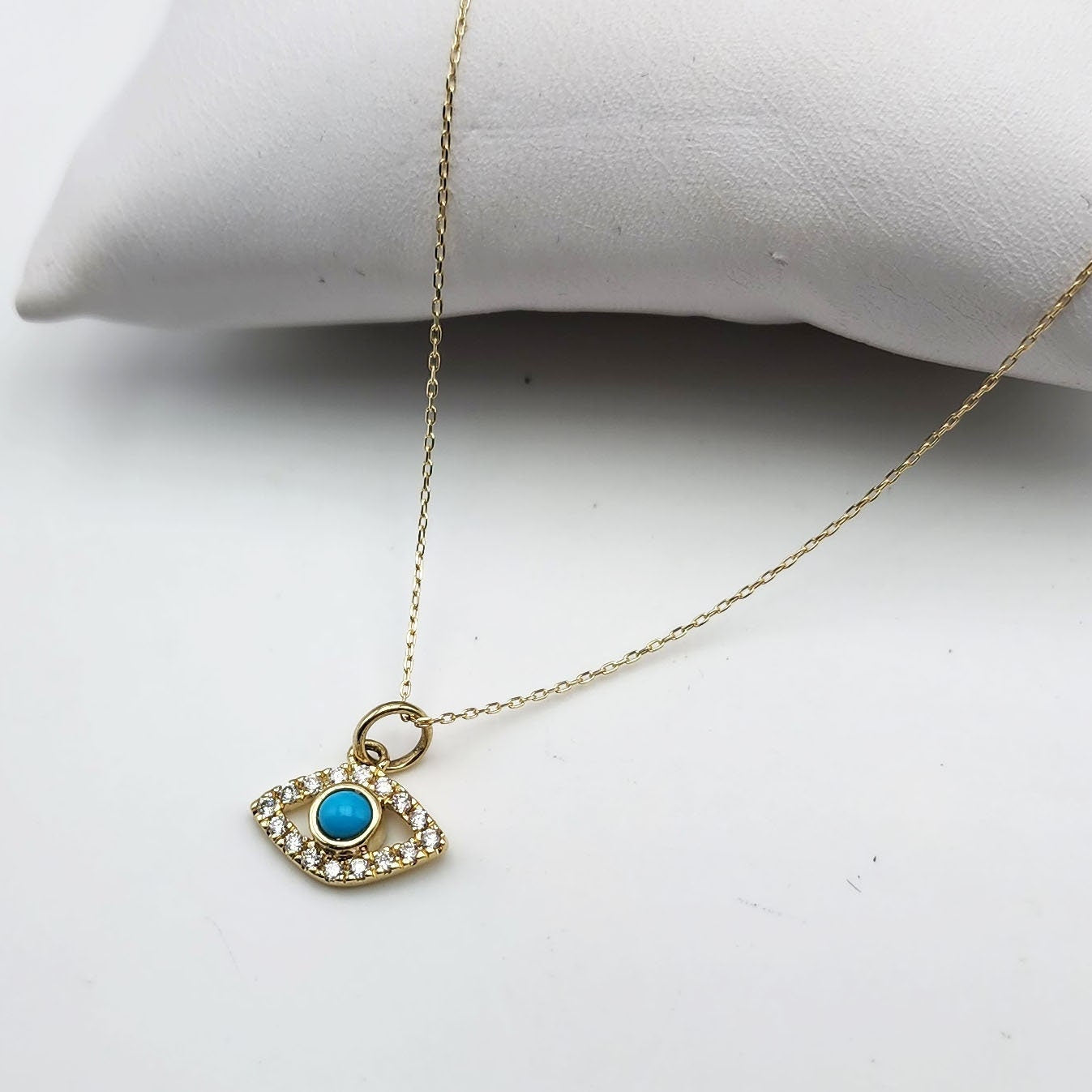
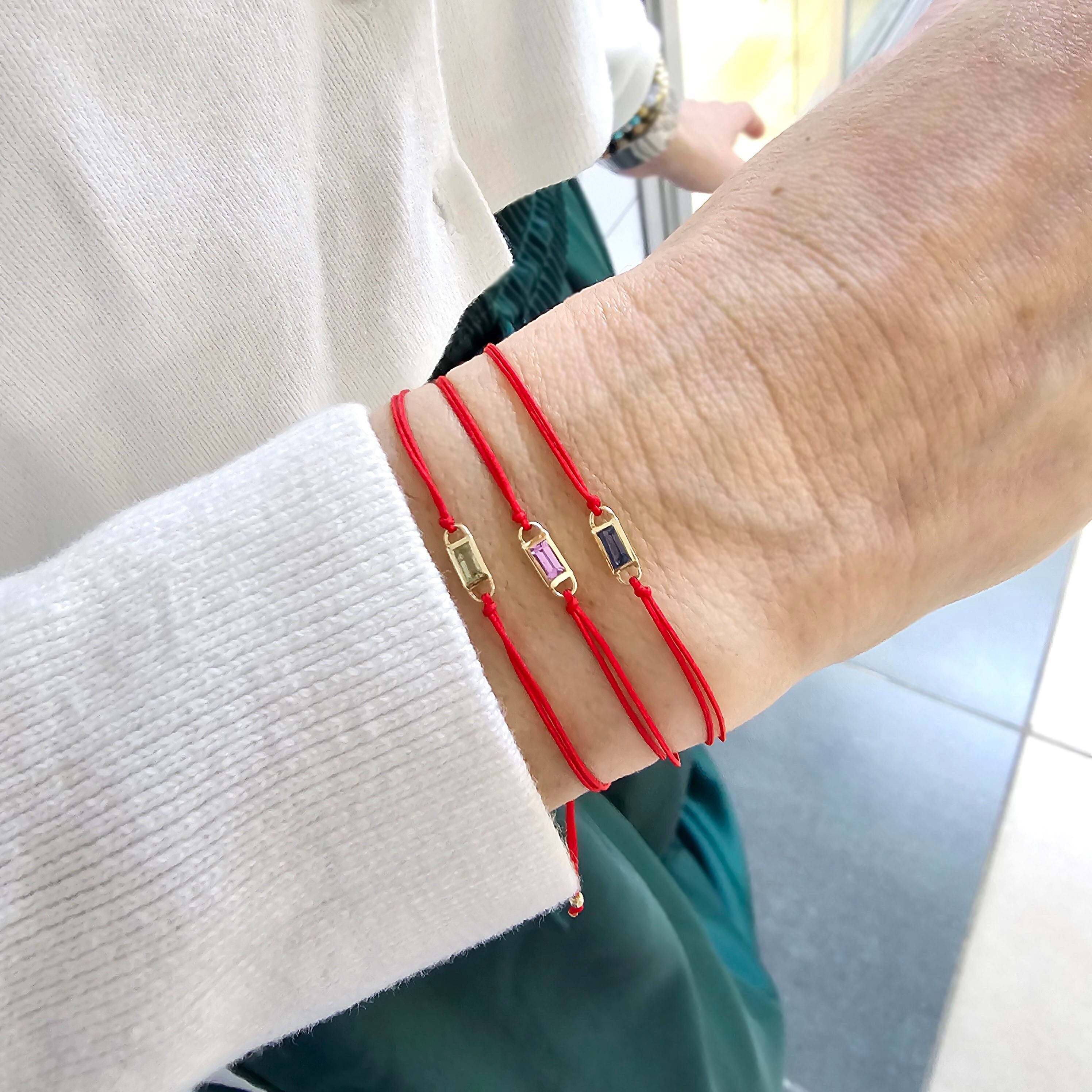
"Gold plated" describes how the jewelry is constructed.
A jewelry maker starts with a piece made from another metal. Its surface is prepared and cleaned, then a layer of gold is deposited onto that surface. The resulting coating gives the jewelry the appearance of gold while using considerably less gold than a solid gold item.
The thickness of that coating can vary.
That matters because two pieces can both be called gold plated while having different plating specifications and different expected wear characteristics.
The base metal matters too. Gold plating does not automatically tell you what is underneath the surface. A product description should make the underlying material clear if that information is relevant to the purchase.
In other words, "gold plated" tells you there is a gold surface layer. It does not, by itself, tell you that the whole item is gold or exactly what metal is underneath.
The basic process is easier to understand than the terminology makes it sound.
First, the jewelry piece is formed from its underlying metal. Before gold can be applied, the surface needs to be properly prepared. Cleaning is especially important because dirt, oils and residue can interfere with the plating process.
Next, the piece is placed into a plating setup where an electrical current is used to deposit gold onto the prepared surface.
The gold does not become part of the entire metal structure. It forms a surface layer.
The final thickness can vary depending on the product, manufacturer and plating specification. That is why it isn't accurate to assume that every gold plated necklace contains the same amount of gold or will wear in exactly the same way.
The FTC has specific guidance around gold plate and electroplated gold, including minimum requirements for products marketed using certain gold plating terms in the United States.
For a shopper, the practical takeaway is simple: gold plating is a surface treatment, not a description of the jewelry being gold all the way through.
There is real gold in gold plated jewelry, but the amount is relatively small because the gold exists as a thin surface layer.
There isn't one universal percentage that applies to every gold plated piece.
That is an important point.
The amount of gold can change according to factors such as the surface area of the jewelry, the thickness of the plating and the specifications used by the manufacturer. A large plated necklace and a tiny pair of earrings can therefore contain different amounts of gold even if both are described as gold plated.
Plating thickness may be discussed in microns. A micron is a measurement of thickness, not a percentage of the entire item's weight. Those measurements shouldn't be treated as interchangeable.
This also explains why a shopper shouldn't look at the word "14K" and assume that the item contains the same amount of gold as a 14K solid gold piece.
The karat describes the purity of the gold alloy used in the relevant layer. It doesn't turn the underlying base metal into solid 14K gold.
This is probably the most important labeling distinction for shoppers.
14K gold plated means that the plating layer is made with 14K gold. It does not mean the entire piece is made from 14K gold.
For example, imagine a necklace with a base metal core and a 14K gold coating.
The surface is 14K gold.
The necklace as a whole is still gold plated.
It would be inaccurate to treat that necklace as though it were a solid 14K gold necklace simply because the plating is 14K.
Solid 14K gold is different because the metal throughout the piece is a 14K gold alloy. Gold plated jewelry uses another metal underneath the gold surface.
The FTC specifically notes the distinction between 14 karat gold and gold plated jewelry. A 14K gold item contains gold throughout its alloy, while gold plated jewelry has a gold layer applied over another metal.
So if you are searching is 14K gold plated real gold, the answer is yes, but only the plating itself is 14K gold.
Gold plated jewelry can have value, but its value should not be judged in the same way as solid gold.
There are really three different questions here.
A finished jewelry piece can have value because of its design, craftsmanship, stones, brand, finishing, labor and materials.
A well-made necklace doesn't suddenly become worthless because it is plated.
That is a different matter.
Because the gold layer is thin, the total amount of gold in a plated piece is limited compared with solid gold jewelry. The intrinsic value of the gold alone is therefore much lower.
Gold plated jewelry generally shouldn't be evaluated for resale as though its entire weight represents gold.
A solid gold bracelet can have significant precious-metal value because the gold makes up the underlying material. With a plated bracelet, most of the weight belongs to the base metal.
That distinction becomes especially important if someone is buying jewelry primarily as a precious-metal asset rather than as a fashion or design purchase.
It can be, depending on what you want from the piece.
Gold plating is useful for shoppers who like the appearance of gold but don't want to pay the price associated with a solid gold item. It can also make it possible to wear different colors, shapes and trend driven designs without making every purchase a major investment.
The tradeoff is the surface layer.
Gold plating can wear down with use. Friction, moisture, sweat, cosmetics and cleaning products can all affect the finish. Once enough of the gold layer has worn away, the metal underneath can begin to show.
That doesn't make plated jewelry a bad choice. It simply means the construction should match your expectations.
A piece bought for occasional dinners or events has a different job from a ring worn continuously while working with your hands.
There isn't a single lifespan that applies to every gold plated piece.
Anyone promising that all gold plating will last exactly a certain number of months is oversimplifying the situation.
Durability depends on several things:
A bracelet, for example, can experience considerable friction throughout the day as it moves against clothing, desks, bags and other bracelets. A necklace may experience less physical contact depending on how it is worn.
Rings can also face heavy wear because they constantly encounter surfaces, water and handwashing.
Earrings may experience less friction, particularly when they're worn occasionally.
The construction matters, but so does the way the jewelry is used.
"Fade" and "tarnish" aren't necessarily describing the same thing.
Sometimes the issue is simply that the gold plating has become thinner through normal wear. As that layer wears down, the metal beneath it may become visible.
Discoloration can also occur on the underlying metal. The result can look different depending on what that metal is and how it reacts to moisture, air, sweat or other substances.
A plated piece may also become dull because of product buildup or surface residue.
So, if your gold plated necklace doesn't look as bright as it did when new, that doesn't automatically mean the gold itself has somehow turned into another material.
And no, it isn't accurate to say that every gold plated piece will turn green. The outcome depends on the underlying metal, plating, exposure and individual use.
You can wear gold plated jewelry every day, but frequent wear usually means the surface needs more attention.
Daily friction is the biggest issue to keep in mind.
Necklaces can rub against skin and clothing. Bracelets move across wrists and surfaces. Rings encounter water, soap, desks, handles and countless other objects throughout a normal day.
Earrings may be easier to wear regularly because they typically experience less direct friction.
That doesn't mean you have to keep plated jewelry locked away. It simply helps to understand that the finish is a surface layer and can eventually show signs of wear.
If long term daily wear is your main concern, it is worth comparing the construction of plated, gold filled and solid gold pieces before buying.
These three terms describe very different constructions.
|
Feature |
Gold Plated |
Gold Filled |
Solid Gold |
|
Contains real gold |
Yes |
Yes |
Yes |
|
Gold throughout |
No |
No |
Yes |
|
Base metal core |
Usually |
Yes |
No |
|
Gold layer |
Thin coating |
Much thicker bonded layer |
Not applicable |
|
Intrinsic gold content |
Limited |
Higher than plating |
Highest |
|
Typical price |
Lower |
Mid-range |
Higher |
|
Wear resistance |
Varies |
Generally higher |
High |
|
Gold based resale value |
Limited |
Limited compared with solid gold |
Greater |
Gold filled jewelry still has a base metal core, but its gold layer is mechanically bonded rather than simply deposited as a thin surface coating. The FTC's guidance and Isabella Celini's existing material both distinguish this construction from ordinary gold plating.
For readers who want a deeper explanation of that specific construction difference, the existing Gold Filled vs Solid Gold article provides additional context.
The point isn't that one construction is automatically right for everyone. They solve different shopping needs.
Gold vermeil is also plated jewelry, but there is an important difference.
Gold vermeil uses sterling silver as its base metal.
That means the gold layer sits over sterling silver rather than an unspecified base metal.
The FTC describes vermeil as a special type of gold plated product with a sterling silver base coated or plated with gold. U.S. guidance also sets requirements concerning the gold fineness and plating thickness for products described as vermeil.
So the terms aren't interchangeable:
Gold plated: gold coating over another metal.
Gold vermeil: gold coating over sterling silver.
Gold filled: a substantially thicker gold layer mechanically bonded to a base metal.
Solid gold: gold alloy throughout the piece.
Those differences are useful to know before comparing prices because two necklaces can look almost identical while having very different constructions.
The safest place to start is the product description.
Look for clear wording such as:
Jewelry markings can provide another clue. Depending on the product and applicable standards, you may see abbreviations associated with plated construction, but markings alone shouldn't replace the complete material description.
Also pay attention to words such as:
Gold tone
Gold color
Gold finish
These phrases describe appearance. They do not automatically establish that a layer of genuine gold has been applied.
That's why the material information matters more than the color in a product photograph.
A necklace can look exactly like gold on a screen and still be made from a completely different material.
No.
This is an easy distinction to remember.
Gold plated jewelry has a layer of actual gold.
Gold colored or gold tone jewelry describes a color or finish and does not, by itself, confirm that genuine gold is present.
That difference is especially important when shopping online. Product photographs can show you how something looks, but they can't tell you what metal is underneath the surface.
Read the material description.
If the listing says gold plated, look for information about the plating and base metal. If it only says gold tone, don't assume that means real gold.
Because the gold is on the surface, care is largely about reducing unnecessary wear.
Take the jewelry off before swimming, particularly in chlorinated or chemically treated water. Avoid prolonged exposure to water when possible.
Put perfume, hairspray, lotions and creams on your skin before putting the jewelry on. Giving those products a little time to settle can reduce direct contact with the plated surface.
After wearing a piece, gently wipe it with a soft, dry cloth to remove residue from the skin.
Store plated jewelry separately rather than allowing pieces to rub against one another. A soft pouch or lined jewelry box can help reduce scratches and friction.
Skip abrasive cleaners and rough polishing cloths. Scrubbing a plated surface can remove material rather than restore it.
None of these habits can make plating permanent. They simply reduce avoidable wear and help the finish stay attractive for longer.
The answer depends on what matters most to you.
Your priority is an affordable gold appearance, fashion focused designs or jewelry that you expect to wear occasionally.
You want a substantially thicker bonded gold layer and plan to wear the jewelry more frequently while staying below the price of solid gold.
You care primarily about substantial precious metal content, long term ownership and the value associated with gold throughout the piece.
None of these descriptions makes the other constructions invalid. They simply represent different materials, manufacturing methods and price points.
The important part is knowing what you're actually buying.
If you remember only one thing, make it this:
Gold plated jewelry contains real gold, but it is not made entirely of gold.
The gold exists as a surface layer over another metal. That construction explains why plated jewelry can offer the look of gold at a lower price while also being more susceptible to surface wear.
And when you see 14K gold plated, don't read it as "this entire necklace is 14K gold." Read it as "the gold used for the plating is 14K."
Once that distinction is clear, terms such as gold plated, gold filled, gold vermeil and solid gold become much easier to compare. You can look beyond the color and understand what you're actually paying for.
Yes. Gold plated jewelry has genuine gold on its surface. The rest of the piece is made from another metal, so the entire item is not solid gold.
Yes. Genuine gold or a gold alloy is used for the plating layer. The amount of gold is limited because the coating is thin.
Yes. The 14K designation refers to the gold used in the plating. It does not mean the entire jewelry piece is made from solid 14K gold.
Yes. It contains real gold in its surface coating. The total amount depends on factors such as the plated area and thickness of the coating.
Yes. A plated jewelry piece can have value based on its design, craftsmanship, materials, stones and brand. Its intrinsic gold value is limited compared with solid gold because the gold layer is thin.
The appearance can change over time. The plating may wear thinner, the underlying metal can discolor, or residue can make the surface look dull. The result depends on the materials and how the piece is worn.
There is no universal lifespan. Thickness, construction, frequency of wear, friction, water, sweat, cosmetics and cleaning habits can all affect how long the finish remains intact.
Yes, but frequent wear can cause the surface layer to wear faster, especially on rings and bracelets that experience regular friction.
They are different constructions. Gold plated jewelry has a thin gold coating, while gold filled jewelry has a substantially thicker gold layer mechanically bonded to a base metal. The better choice depends on the intended use, budget and expected wear.
No. Both use gold plating, but vermeil specifically uses sterling silver as the base metal and has additional requirements governing its construction.
Share

Share information about your brand with your customers. Describe a product, make announcements, or welcome customers to your store.