Flash Sale 70% Off
Give customers details about the banner image(s) or content on the template.
Write your store's popup content

If you've ever searched for a gold necklace or bracelet and noticed the words gold filled, you may have wondered what you're actually buying.
Is it real gold? Is it the same as 14K gold? Will the color disappear after a few months? And why does one piece say 14K GF while another says 1/20 14K GF?
Those are fair questions. The term sounds simple, but the numbers behind it can be confusing.
Gold filled jewelry is made with real karat gold bonded to another metal. It isn't solid gold, but it isn't the same thing as ordinary gold plating either. The difference comes down to how much gold is used, how that gold is attached, and how the piece is made.
Here's the part that matters most when you're shopping: gold filled describes the construction of the jewelry, while 14K describes the fineness of the gold layer.
Let's break that down without making it more complicated than it needs to be.
Gold-filled means a layer of real karat gold has been mechanically bonded to a base metal core.
The inside of the jewelry is not made entirely from gold. Instead, the piece has a core made from another metal, with a substantial layer of gold attached to its surface.
The bonding process is different from the process used for ordinary gold plating. Gold filled material is generally produced by applying karat gold to the base metal using controlled heat, pressure, or mechanical bonding. The result is a composite material with gold as the outer surface and another metal underneath.
So, yes, there is real gold in gold-filled jewelry.
But no, the entire piece isn't 14K gold.
That distinction is worth remembering.
A gold filled bracelet marked 14K has a layer of 14K gold. It doesn't mean the core hidden underneath is also 14K gold.
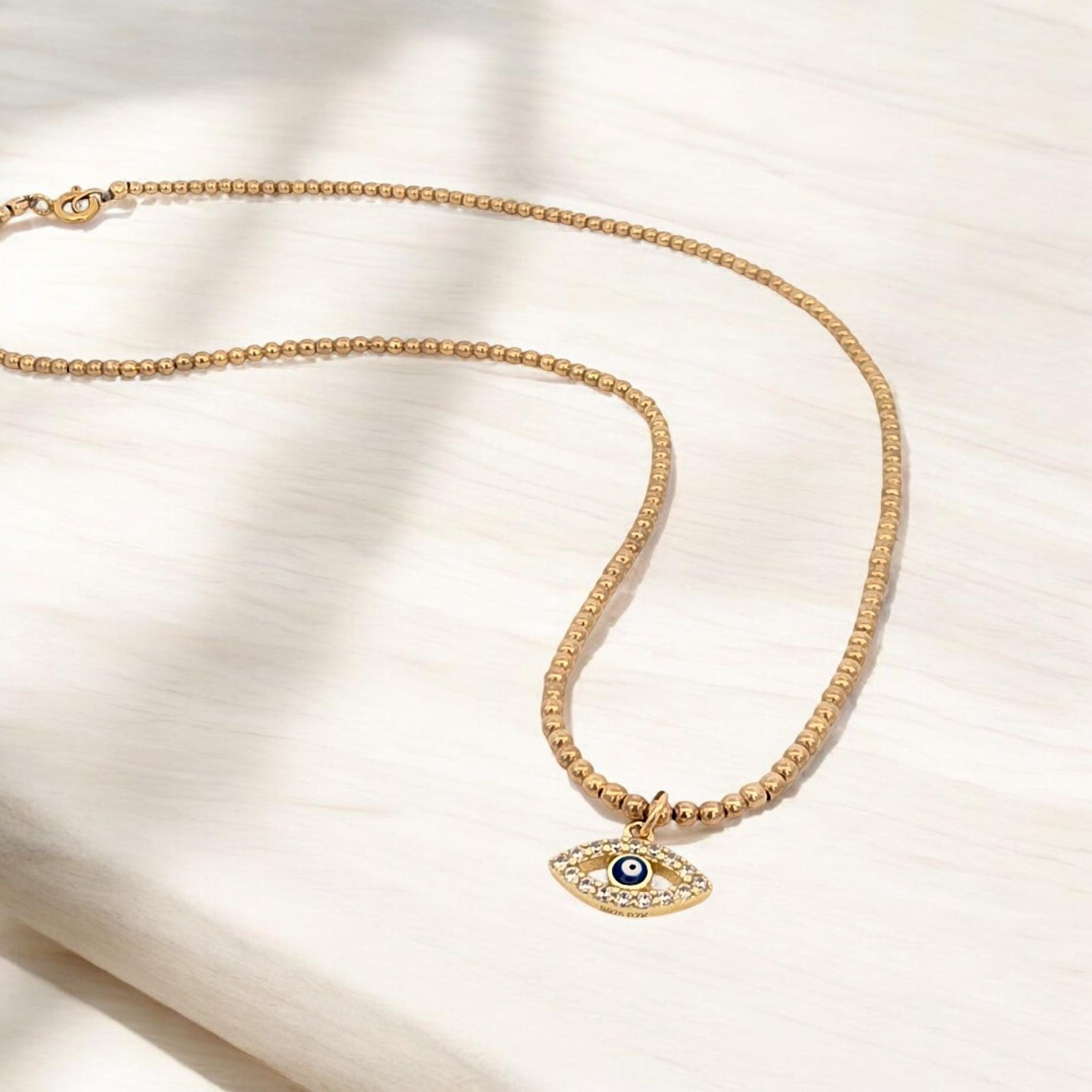

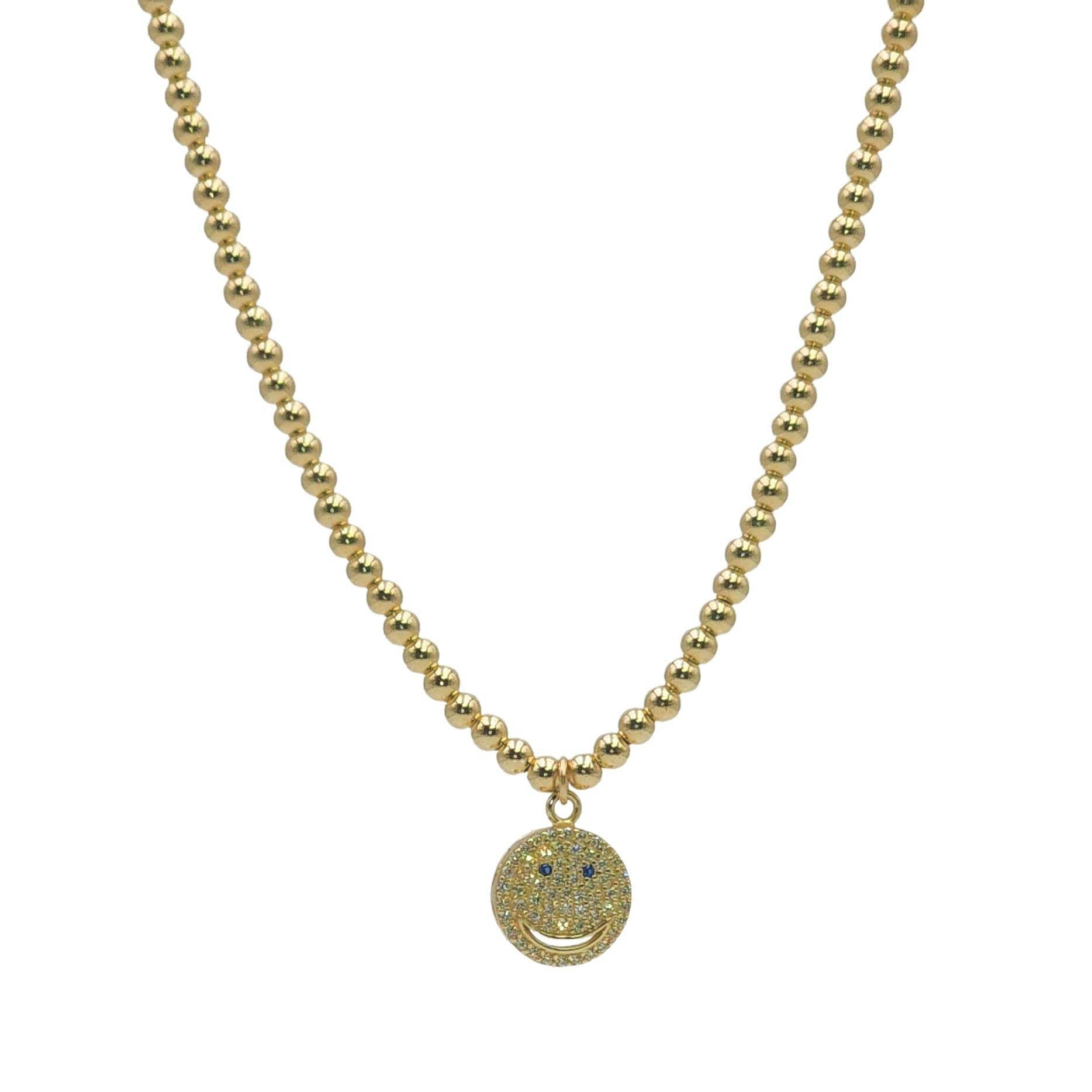
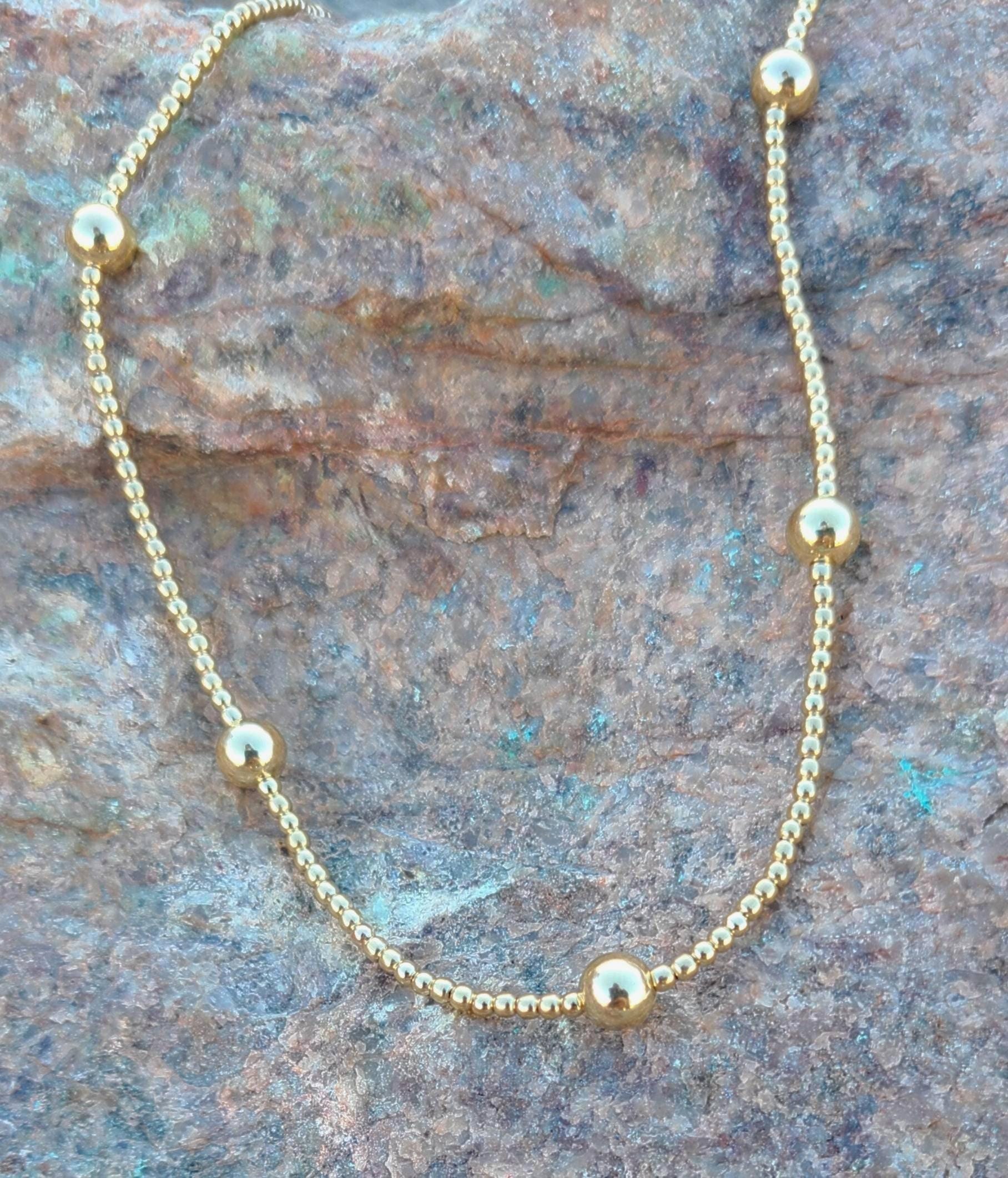
Yes. The gold layer used in gold filled jewelry is genuine karat gold.
That's one reason gold filled sits in a different category from inexpensive jewelry that simply has a very thin decorative coating.
The word "filled" can be misleading, though. It doesn't mean the inside of the bracelet or necklace has been filled with gold. Think of it more like a sandwich. The outer gold layer is bonded to a different metal underneath.
The amount and fineness of that gold layer matter.
That's where markings such as 1/20 14K GF become useful.
14K gold filled means the gold layer bonded to the base metal is 14 karat gold.
Karat tells you the proportion of gold in that particular gold alloy.
Pure gold is 24K. Jewelry gold is usually mixed with other metals because pure gold is relatively soft. With 14K gold, 14 of the 24 parts are gold, while the remaining portion consists of alloy metals.
That works out to roughly 58.3% gold in the 14K alloy.
But don't make the common mistake of applying that 58.3% figure to the whole piece.
A 14K gold filled necklace is not 58.3% pure gold by total weight.
The 14K rating applies to the gold layer, not the complete jewelry item.
For example, imagine a gold filled bracelet made with a base-metal core and a 14K gold outer layer. The outside gold is 14K. The material underneath is not suddenly converted into 14K gold because it is bonded to that layer.
This is also why 14K gold filled and 14K solid gold are two different things.
If you're comparing the two, a detailed gold filled vs solid gold comparison can help make the difference easier to see.
This is probably the part that causes the most confusion.
When you see 1/20 14K GF, the 1/20 refers to weight, not karat purity.
One twentieth equals 5%.
In simple terms, the relevant gold material must account for at least one twentieth of the total metal weight for a piece described as gold filled under the common U.S. standard.
Here's an easy example.
Suppose a finished jewelry item weighs 20 grams.
A 1/20 ratio would mean about 1 gram of that total metal weight is the 14K gold layer.
The remaining weight comes from the underlying metal and other components included in the item.
The example is only there to show how the fraction works. It does not mean that 5% of the item is pure elemental gold.
Why?
Because the gold layer itself is 14K, not 24K pure gold.
That's an important little detail that gets lost in product descriptions.

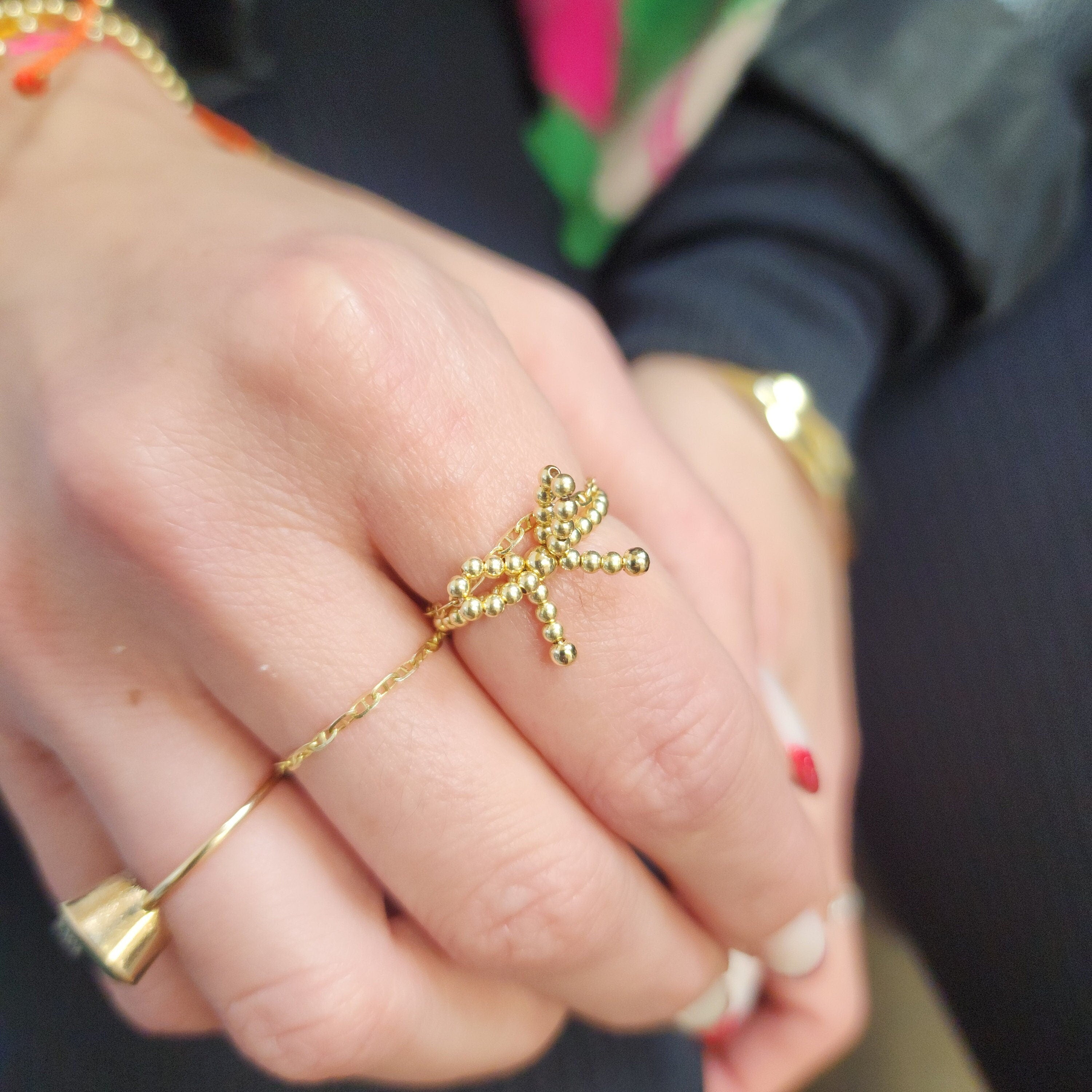
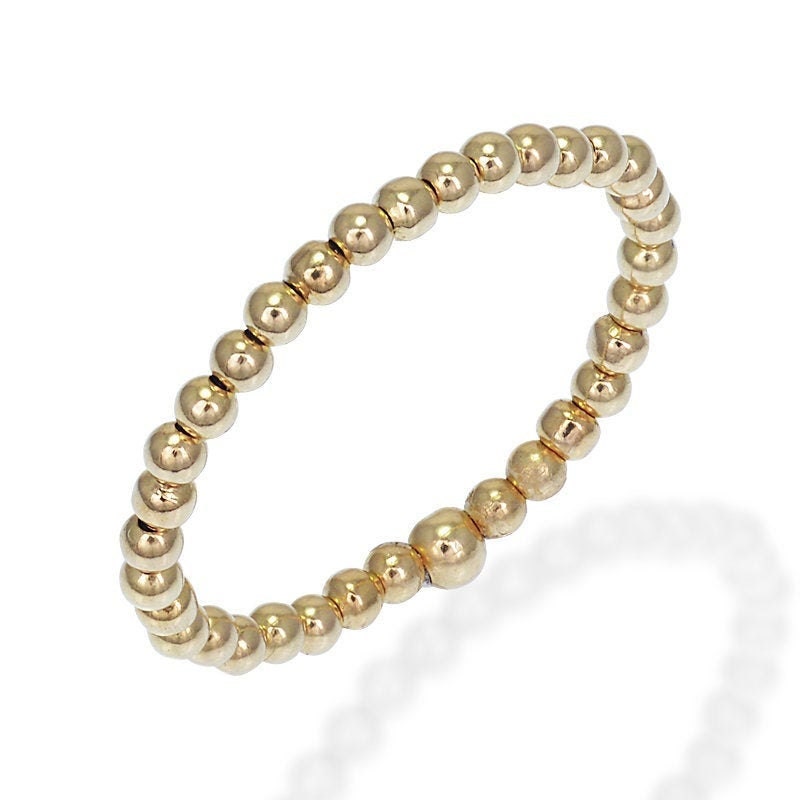
You may also see 14/20 GF.
It is basically another way of communicating two pieces of information:
So:
14/20 GF = 14K gold used at a 1/20 gold filled weight ratio.
You'll also see variations such as:
1/20 14K GF
14K GF
14/20 GF
The exact marking can vary, so when you're checking a product, don't focus on one particular stamp alone. Look at the full material description.
It gives buyers a better idea of how much gold material is actually being used.
A simple phrase such as "gold color" tells you almost nothing about construction. Even "gold tone" doesn't tell you whether the item contains meaningful gold.
A weight ratio is much more specific.
With gold filled material, the amount of gold used is part of the definition. That makes the term more useful than a vague description such as "gold look" or "gold finish."
There's another reason the distinction matters.
Two pieces can look almost identical when they're sitting in a jewelry display. One might have a thin plated surface. Another might have a substantially bonded gold layer. From a photograph, you may not be able to tell the difference at all.
The construction tells you more than the color does.
The process starts with two different materials: a karat gold alloy and a base metal.
The gold is prepared in a form suitable for bonding, while the underlying metal provides the structure of the finished material.
The two are joined through a mechanical bonding process. Heat and pressure can be used to create a strong connection between the layers. The material may then be rolled, drawn, shaped, cut, or formed into jewelry components.
That can include wire, sheets, tubes, chains, clasps, rings, and other jewelry parts.
The exact manufacturing process can vary between suppliers and product types. That's worth mentioning because "gold filled" doesn't mean every piece was manufactured in exactly the same way.
What stays important is the relationship between the gold layer and the underlying metal.
The gold isn't simply brushed onto the surface like paint.
The biggest difference is what's inside the piece.
Solid gold jewelry is made from gold alloy throughout the material, although "solid" does not mean 24K pure gold. A solid 14K piece, for example, contains 14K gold alloy throughout its metal composition.
Gold filled jewelry has a gold outer layer bonded to a different metal core.
Both can contain genuine gold. They're simply constructed differently.
This difference affects price, weight, repair options, and how the jewelry is valued.
Solid gold generally costs more because you're paying for a much greater amount of gold material. Gold filled jewelry uses less gold while still giving you a genuine karat gold surface.
For someone who wants the look and feel of gold without moving into the price range of solid gold, that can make gold filled an interesting middle ground.
But it shouldn't be described as a cheaper version of solid gold. It's a different material.


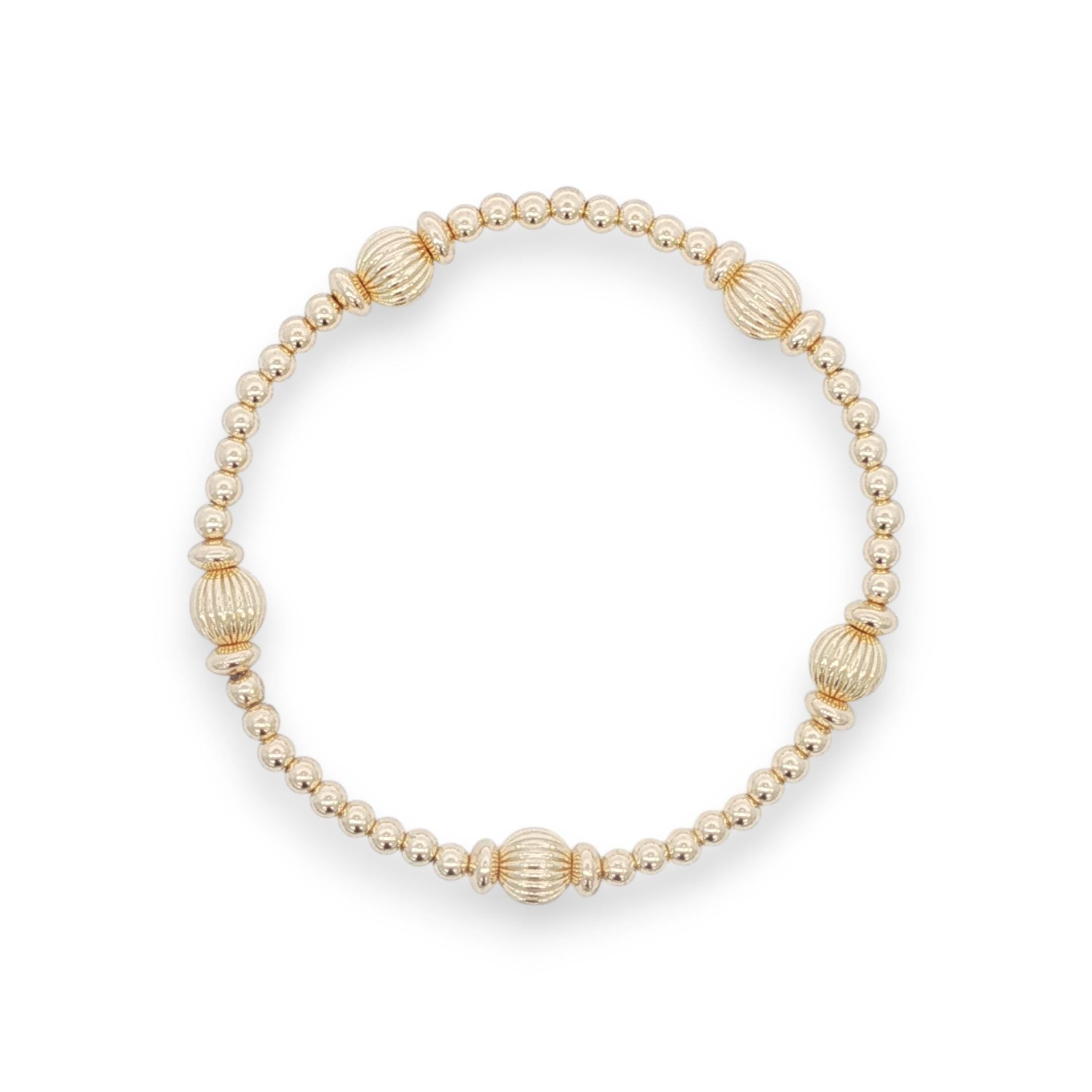
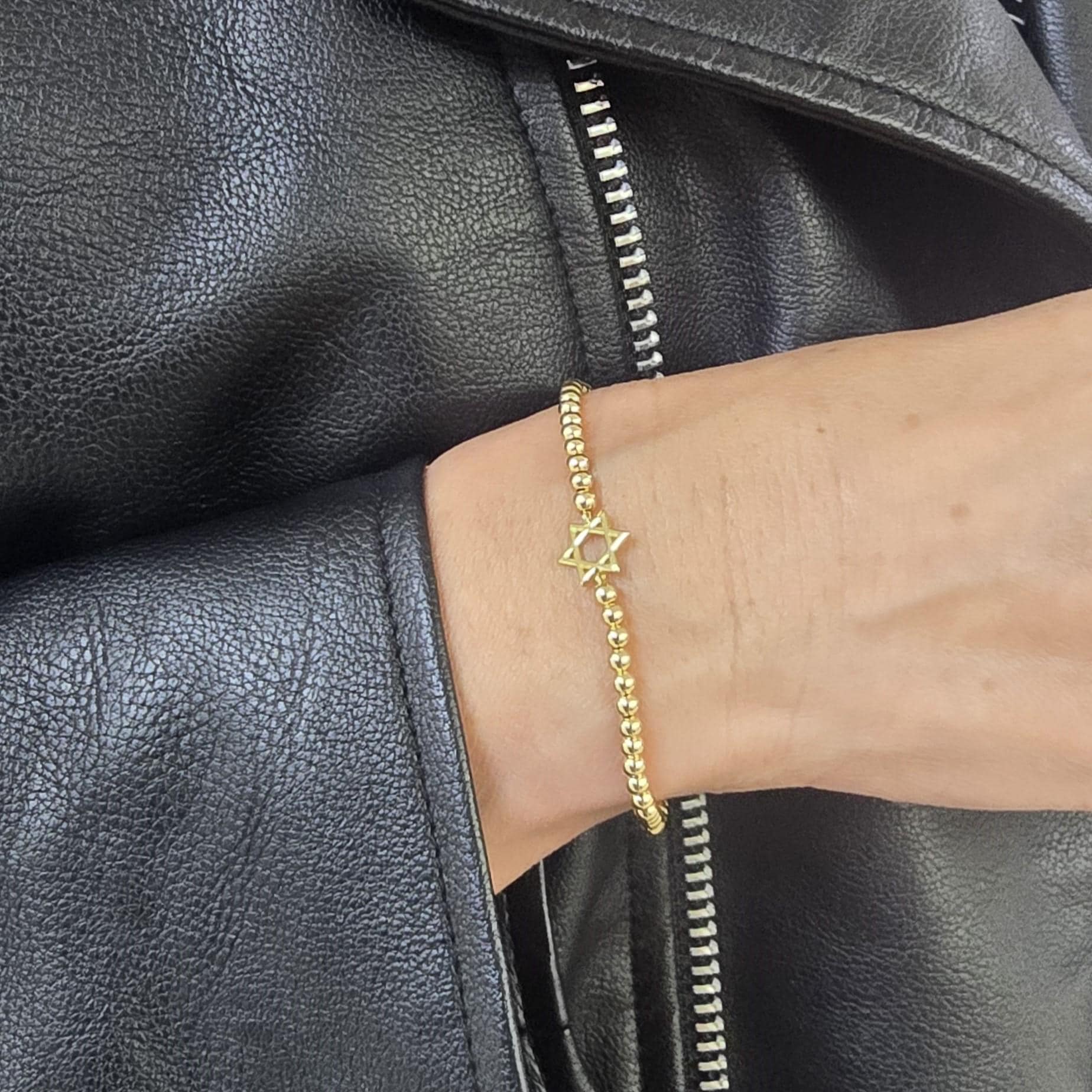
These two terms are often mixed up.
They're not interchangeable.
Gold plated jewelry has a layer of gold applied over another metal. The layer is generally much thinner than the gold material used for gold filled construction.
Because the outer layer is thinner, wear can eventually affect the surface. How quickly that happens depends on the jewelry, thickness of the coating, friction, moisture, chemicals, and how often you wear it.
Gold filled uses a substantially greater amount of karat gold in the bonded layer.
That doesn't mean gold filled jewelry is impossible to wear out. No surface material is completely protected from friction. Rings, bracelets, and other pieces that constantly rub against skin, clothing, desks, or other objects can experience more wear than jewelry that receives occasional use.
If you're deciding between the two, this gold filled and gold plated comparison gives you a closer look at the construction difference.
Gold vermeil is another material you'll see when shopping for jewelry.
The basic idea is different again.
Gold vermeil uses sterling silver as the base metal, with a layer of gold applied over it. The gold is generally applied through a plating process.
Gold filled, on the other hand, uses a base metal core with a mechanically bonded karat gold layer.
So the three terms describe different constructions:
|
Jewelry Type |
What Is Under the Gold? |
How Gold Is Added |
|
Solid gold |
Gold alloy throughout |
Gold alloy forms the piece |
|
Gold filled |
Base metal |
Bonded karat gold layer |
|
Gold plated |
Base metal |
Thin gold coating |
|
Gold vermeil |
Sterling silver |
Gold plating |
The name alone isn't enough to determine which one is "best."
It depends on your budget, how you wear jewelry, the piece you're buying, and what you expect from it.
This is one of the most common questions.
The honest answer is that gold filled jewelry can change over time, but the experience can be very different from thin gold plating.
The outer surface is made from karat gold, so the underlying metal isn't immediately exposed just because the jewelry has been worn a few times.
Still, everyday conditions matter.
Sweat, cosmetics, perfume, household chemicals, chlorine, friction, and repeated contact with surfaces can all affect jewelry over time. A bracelet worn every day will naturally experience more physical contact than a necklace worn occasionally.
That's normal.
You also shouldn't assume that every gold filled piece will look exactly the same after years of use. Jewelry is affected by its design, thickness, manufacturing quality, and the way you wear it.
A little care goes a long way. You can also check a dedicated gold filled jewelry care guide when you want more specific maintenance tips.
There's no honest single number that applies to every piece.
A necklace worn occasionally and stored properly will experience very different conditions from a bracelet worn every day while working, exercising, showering, and sleeping.
The construction gives gold filled jewelry a more substantial gold surface than ordinary plating, which is one reason it can be suitable for regular wear.
But "more durable" doesn't mean "indestructible."
Think about a bracelet for a moment. It moves against your wrist, touches desks, catches on sleeves, and gets exposed to skin oils throughout the day. A pendant hanging around your neck usually has less physical contact.
Same material. Different experience.
That's why care and wearing habits matter when discussing longevity.
For many shoppers, yes.
Gold filled can make sense when you want genuine karat gold on the surface but don't want to pay the cost of a solid gold piece.
It can be especially appealing for everyday styles such as:
The important thing is to know what you're paying for.
Don't buy gold filled thinking you've purchased solid 14K gold. You haven't.
And don't dismiss it as ordinary costume jewelry either. The material has a defined construction, uses real karat gold, and can offer a useful balance between appearance, gold content, and price.
Start with the product description and markings.
Common markings can include:
14K GF
1/20 14K GF
14/20 GF
The marking should be consistent with the seller's material description.
If you're shopping online, don't rely only on a product title. Check the materials section, specifications, close-up photographs of stamps when available, and the seller's return policy.
There's another practical trick.
If the listing says "14K gold" but never explains whether the piece is solid gold, gold filled, gold plated, or vermeil, don't assume it is solid gold.
Ask.
A trustworthy jewelry description should make the construction clear.
Online shopping removes one useful advantage you have in a physical store: you can't hold the jewelry.
So the product details need to do more work.
Look for the karat of the gold layer first. Then check whether the listing clearly says gold filled rather than simply "gold finish" or "gold tone."
If a ratio such as 1/20 is provided, understand what that ratio means before comparing prices.
Pay attention to the size of the jewelry too. A delicate 14K gold filled chain and a heavy bracelet may have very different material requirements.
Photos matter, but they're not enough.
A bright product photograph can make almost any gold-colored metal look luxurious. The material description is what tells you what you're actually buying.
And if you're planning to wear the piece often, check the care instructions before ordering. It takes only a minute and can prevent some frustrating surprises later.
So, what does gold filled mean?
It means you're looking at jewelry made with a genuine karat gold layer that has been mechanically bonded to another metal.
It isn't solid gold.
It also isn't simply a thin gold coating.
If you see 14K gold filled, the 14K refers to the gold used in that outer layer. If you see 1/20 14K GF, the 1/20 refers to the gold layer's weight relationship, while 14K tells you its karat fineness.
Once you understand those two numbers, gold filled jewelry becomes much easier to shop for.
And honestly, that's the part most buyers need to know. Read the material description, check the marking, understand the difference between construction types, and buy based on how you actually plan to wear the piece.
1. What does gold filled mean in jewelry?
Gold filled jewelry has a layer of genuine karat gold mechanically bonded to a base metal core. The entire piece is not made from gold. The gold layer is substantially thicker than a typical plating layer and forms the visible outer surface. The term refers to how the jewelry is constructed, not to a claim that the entire item is solid gold.
2. Is 14K gold filled real gold?
Yes. The gold used in the outer layer is genuine 14K gold alloy. However, the whole jewelry piece is not 14K gold because the core is made from another metal. The 14K description applies to the gold layer itself. That's an important difference when comparing gold filled jewelry with solid 14K gold.
3. What does 1/20 14K GF mean?
The "14K" describes the fineness of the gold layer, while "1/20" describes its weight relationship to the complete metal item. One twentieth equals 5%. So 1/20 14K GF indicates a gold filled material using 14K gold at the 1/20 weight ratio.
4. Is gold filled better than gold plated?
It depends on what you need, but gold filled generally contains a much more substantial gold layer than ordinary gold plating. That makes it a popular choice for people who want jewelry for regular wear without moving to solid gold prices. Still, neither material should be treated as completely immune to wear.
5. Does gold filled jewelry turn green?
It isn't accurate to say that every gold filled piece will or won't change color. The gold surface provides a barrier over the underlying metal, but heavy friction or damage to that surface can eventually expose material underneath. Sweat, chemicals, and poor care can also affect jewelry. Good construction and sensible care both matter.
6. Can you shower with gold filled jewelry?
Gold filled jewelry can handle normal wear better than many very thinly plated pieces, but frequent exposure to soap, shampoo, chlorine, and other chemicals isn't ideal. If you want to keep your jewelry looking its best, removing it before swimming or bathing is a sensible habit.
7. Is 14K gold filled the same as 14K solid gold?
No. This is probably the most important distinction to remember. In 14K solid gold, the metal throughout the piece is 14K gold alloy. In 14K gold filled jewelry, only the bonded outer gold layer is 14K. The material underneath is another metal.
8. Is gold filled good for everyday jewelry?
It can be. Gold filled is commonly chosen for pieces that receive regular use because the bonded gold layer is more substantial than ordinary plating. The actual experience depends on the design and how the jewelry is worn. A bracelet exposed to constant friction will naturally experience more wear than a necklace worn occasionally.
9. Does gold filled contain pure gold?
It contains genuine gold, but 14K gold is an alloy rather than pure 24K gold. If the gold layer is 14K, about 58.3% of that alloy is gold. The rest consists of other metals used to create the desired properties. The 1/20 ratio refers to the weight of the gold layer in the overall item, not 5% pure gold.
10. What is the best way to care for gold filled jewelry?
Keep it away from harsh chemicals when possible. Perfume, chlorine, cleaning products, and frequent moisture exposure can make jewelry harder to maintain. After wearing a piece, wipe it gently with a soft cloth and store it separately to reduce friction and buildup.
Share

Share information about your brand with your customers. Describe a product, make announcements, or welcome customers to your store.