Flash Sale 70% Off
Give customers details about the banner image(s) or content on the template.
Write your store's popup content

Gold-filled and gold vermeil may look very similar when you see them side by side, but they are made differently. Gold filled has a mechanically bonded layer of gold over a base-metal core, while gold vermeil is gold applied over sterling silver. That difference affects how each material handles everyday wear, friction, moisture, chemicals, and surface abrasion.
In the United States, gold vermeil has a specific standard. It must use sterling silver as the base, with gold or a gold alloy of at least 10 karat fineness and a minimum thickness of 2.5 microns. Gold filled is defined differently, based on a mechanically applied gold layer and its proportion by weight. A commonly used gold-filled standard requires the gold layer to represent at least 5% of the item's total metal weight.
So, when comparing gold vermeil vs gold filled, the question isn't simply which one contains more gold. They are two different jewelry constructions. Gold filled is often chosen for frequent wear because of its bonded gold layer, while vermeil appeals to shoppers who specifically want sterling silver underneath the gold.
The right choice depends on how you plan to wear the jewelry, how much care you're willing to give it, your budget, and which underlying metal you prefer.
|
Feature |
Gold Filled |
Gold Vermeil |
|
Base metal |
Base-metal core |
Sterling silver |
|
Gold construction |
Mechanically bonded gold layer |
Gold coating over sterling silver |
|
Gold thickness/content |
Commonly defined by gold weight, with qualifying gold-filled pieces containing at least 5% gold by total metal weight |
Minimum 2.5 micron gold thickness under the U.S. vermeil standard |
|
Durability |
Generally well suited to frequent wear |
Good, but the surface layer can wear with repeated friction |
|
Everyday wear |
Generally well suited |
Suitable when cared for properly |
|
Water exposure |
Occasional exposure may be manageable, but prolonged exposure and chemicals can cause wear |
Repeated water and chemical exposure can accelerate surface wear |
|
Price |
Usually below comparable solid gold jewelry |
Varies by gold karat, thickness, design, weight, and brand |
|
Best suited for |
Frequent wear and shoppers wanting a bonded gold layer |
Shoppers who specifically want sterling silver underneath gold |
Neither category comes with a guaranteed lifespan. How a piece ages depends heavily on its design, how often it is worn, friction, moisture, chemicals, storage, and cleaning.
Gold filled jewelry is made by mechanically bonding a layer of gold alloy to a base-metal core.
The word "filled" can be misleading if you haven't encountered the term before. It does not mean that the entire piece is filled with gold. Instead, the gold forms an outer layer that is permanently bonded to the underlying metal through a mechanical process.
For qualifying gold-filled jewelry, the gold layer makes up a substantial portion of the item's total metal weight. The commonly used 1/20 standard means that the gold layer accounts for at least 1/20, or 5%, of the total metal weight.
That is one of the biggest differences between gold filled vs vermeil.
Gold filled is defined around the gold layer's weight and mechanical application. The core underneath is generally a base metal. The gold isn't simply painted onto the surface as a decorative finish.
This construction is one reason gold-filled is commonly used for jewelry intended for regular wear. The bonded layer can handle normal contact with clothing, skin, and other jewelry better than very thin surface coatings.
Still, gold filled is not indestructible. Repeated rubbing, scratches, chlorine, harsh chemicals, and rough handling can eventually affect the finish. The fact that the gold is mechanically bonded does not make the jewelry immune to wear.
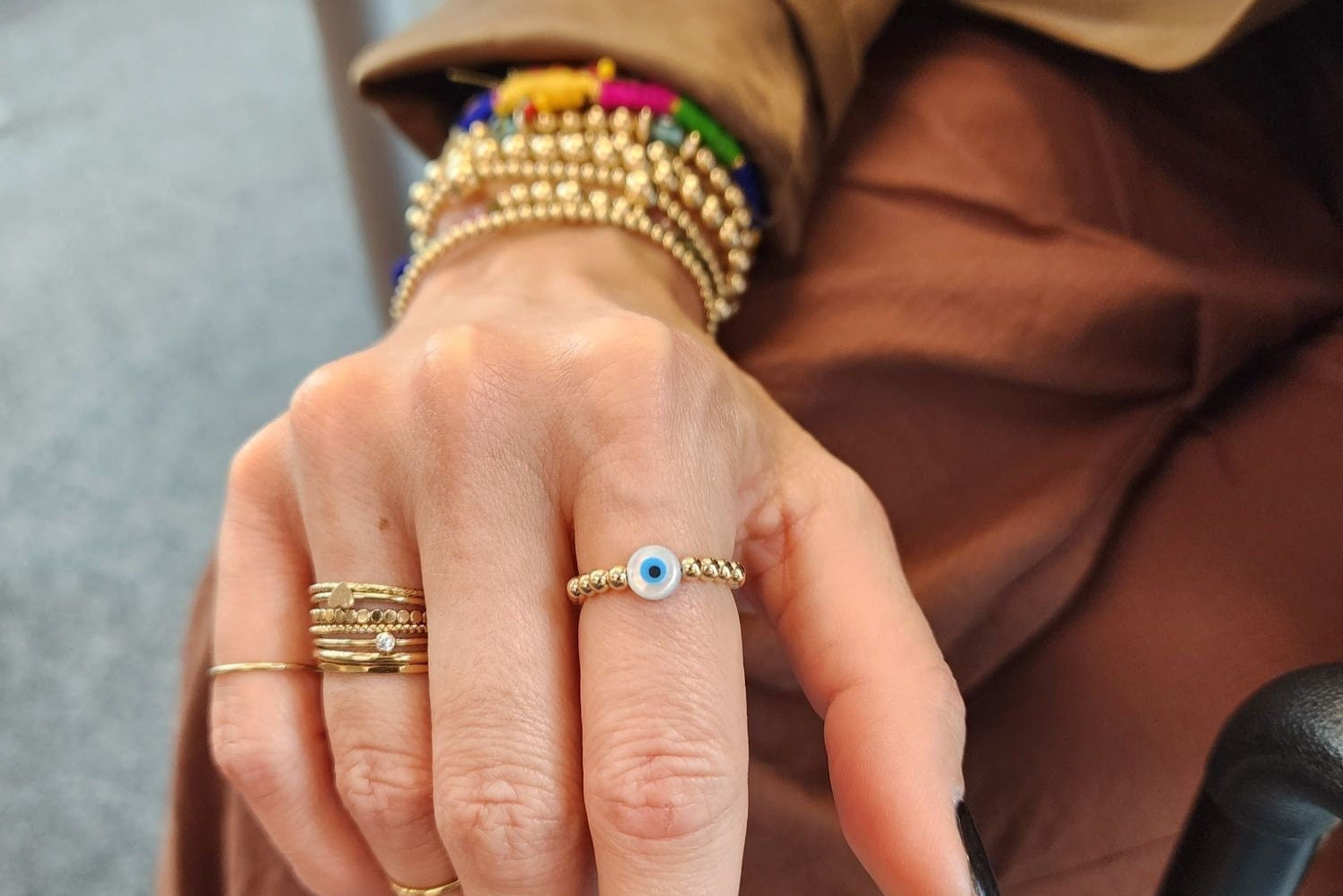
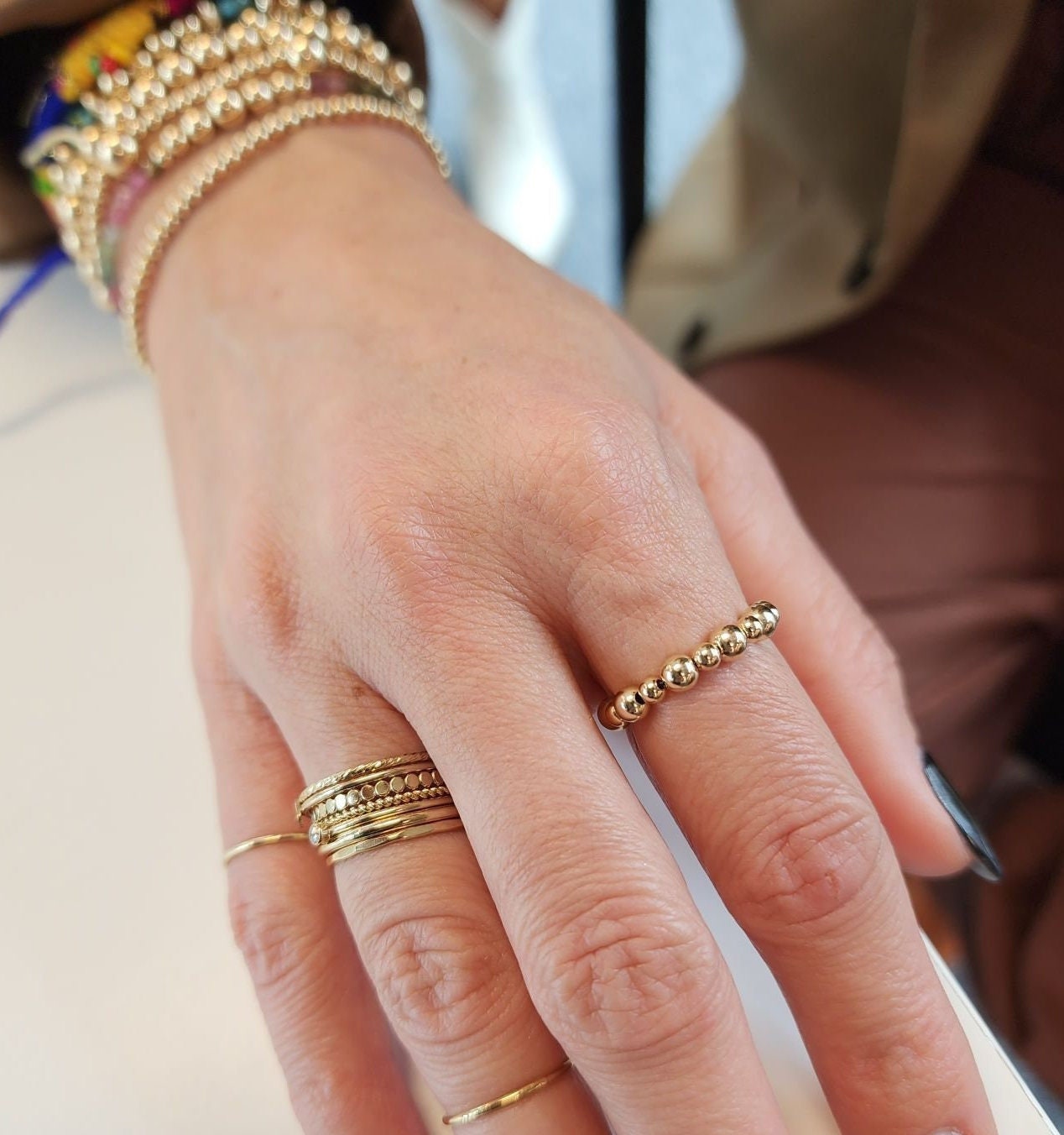
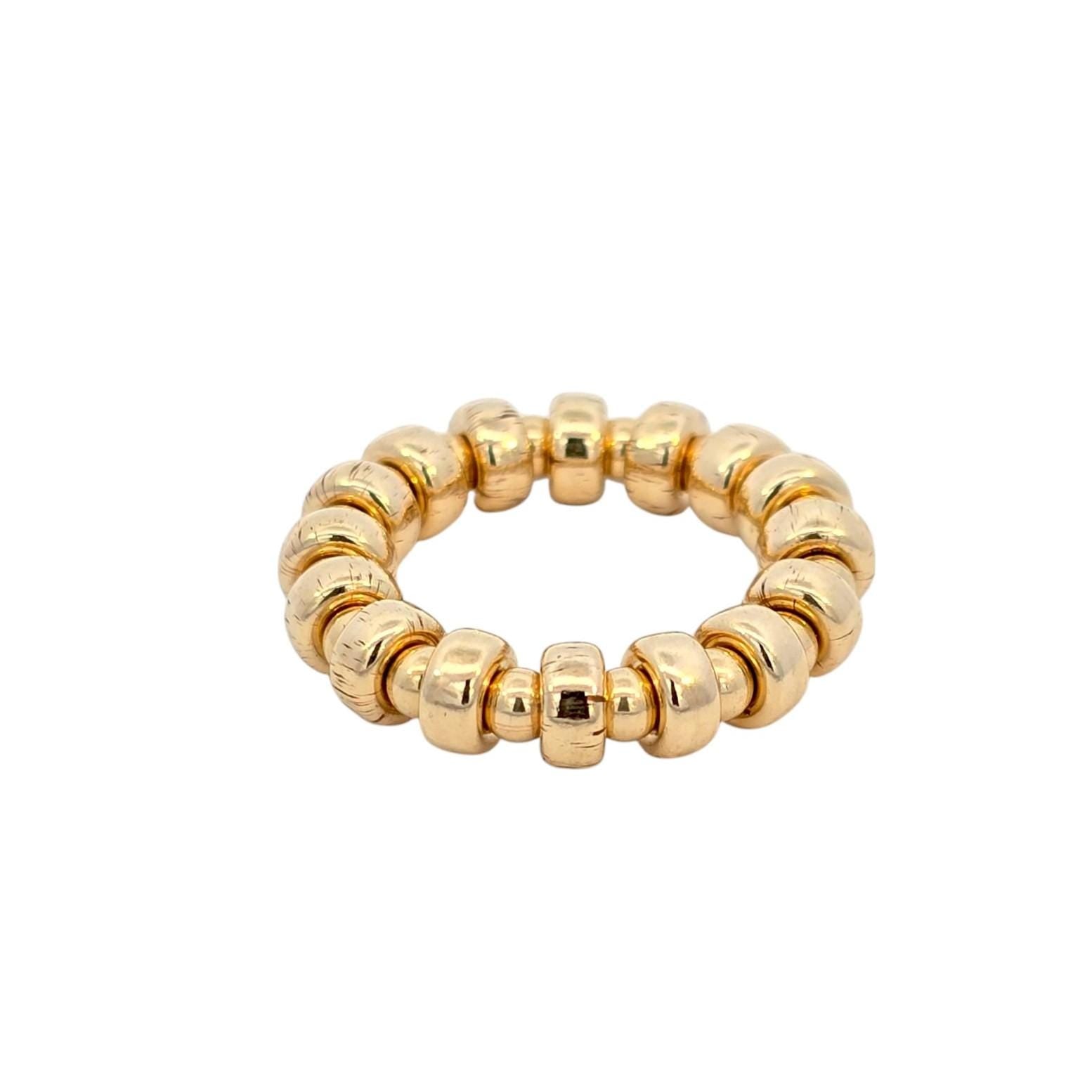
Gold vermeil is gold over sterling silver.
That sterling silver base is what separates vermeil from ordinary gold plating over another metal. Under the U.S. standard, vermeil must use sterling silver and a gold or gold-alloy coating of at least 10 karat fineness with a minimum thickness of 2.5 microns.
The gold layer is therefore a surface coating, but it is a more specifically defined category than generic gold plating.
This distinction matters when shopping online. A product described simply as "gold plated" does not automatically qualify as vermeil. The underlying metal, gold fineness, and thickness all matter.
The sterling silver underneath also changes what happens if the surface eventually wears in an area that receives repeated friction. With enough abrasion, the gold coating can become thinner and the silver underneath may eventually become visible.
That doesn't mean every vermeil piece wears quickly. A necklace worn occasionally may experience much less surface abrasion than a ring or bracelet worn every day.
The main difference comes down to the underlying metal and the way the gold is applied.
Gold filled has a mechanically bonded gold layer over a base-metal core.
Gold vermeil has a gold coating over sterling silver.
There is another important distinction. Gold filled is commonly described using the proportion of gold by weight, while U.S. vermeil standards specify a minimum gold thickness.
That means you shouldn't compare a "5% gold-filled" claim directly with "2.5 microns of vermeil" as though they were measurements of the same thing. They aren't.
The construction also affects how the jewelry behaves over time.
A mechanically bonded gold layer is designed to provide a durable outer surface. Vermeil relies on a gold coating over sterling silver. Both can provide an attractive gold appearance, but repeated friction can eventually affect either finish.
This is why the answer to what is gold vermeil vs gold filled starts with construction rather than appearance.
If durability is your main concern, construction deserves more attention than the name on the product page.
Gold filled is generally well suited to frequent wear because its gold layer is mechanically bonded and represents a substantial proportion of the item's metal weight. It is commonly used for necklaces, bracelets, rings, and other jewelry intended to be worn regularly.
Vermeil can also be durable, but the gold remains a surface layer over sterling silver. Repeated abrasion can gradually reduce that surface layer.
The amount of friction matters.
A necklace resting against clothing usually experiences less direct impact than a ring that comes into contact with desks, bags, countertops, and other objects throughout the day. A bracelet can also experience considerable friction when it moves against a watch, another bracelet, or a hard surface.
Water isn't the only factor either.
Chlorine, salt water, cleaning products, perfume, lotions, and other chemicals can affect jewelry finishes. Scratches and repeated rubbing can also make the surface more vulnerable.
So, does gold filled always last longer?
It is better to say that gold filled is generally better suited to frequent wear because of its construction, while the lifespan of either material depends on the individual piece and how it is used.
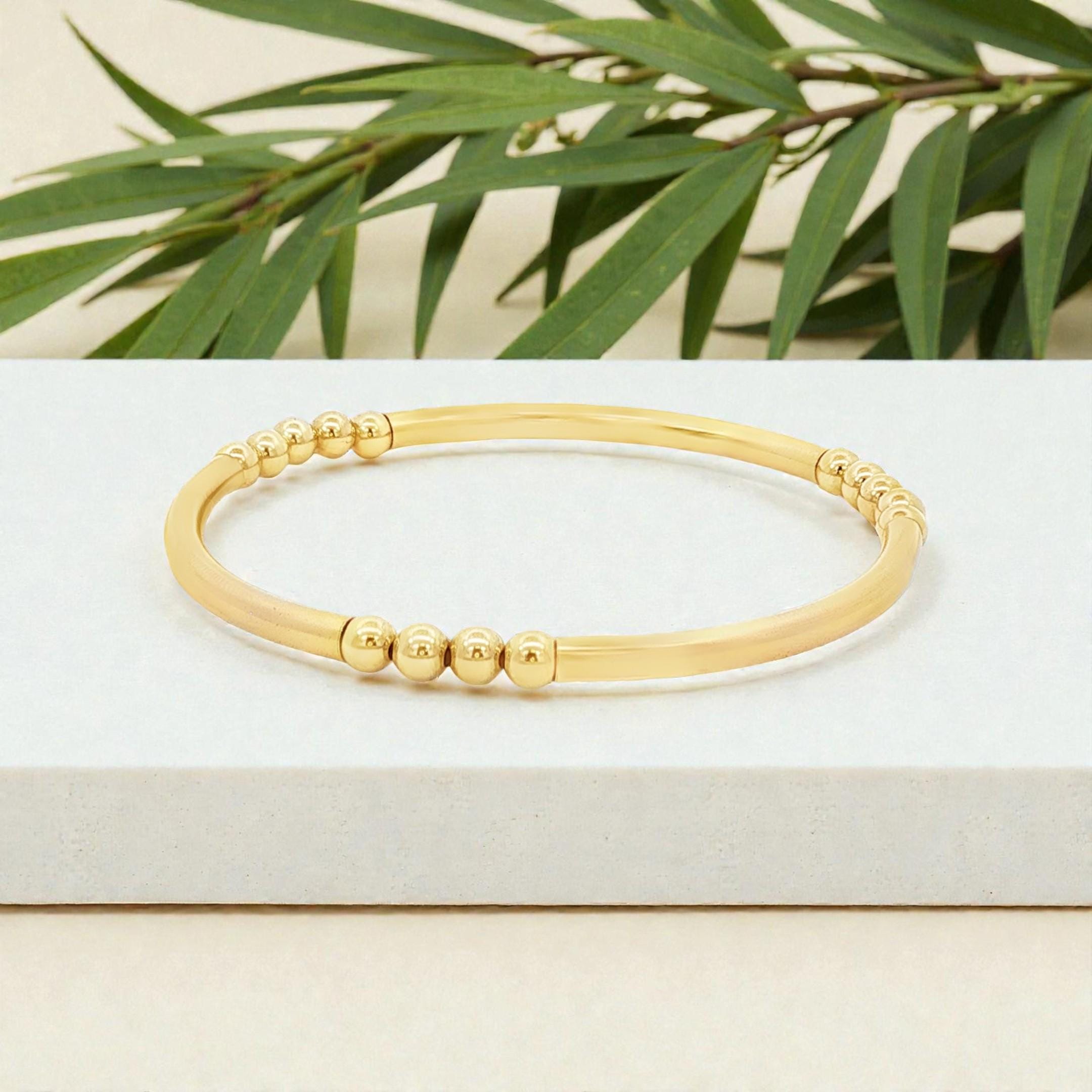
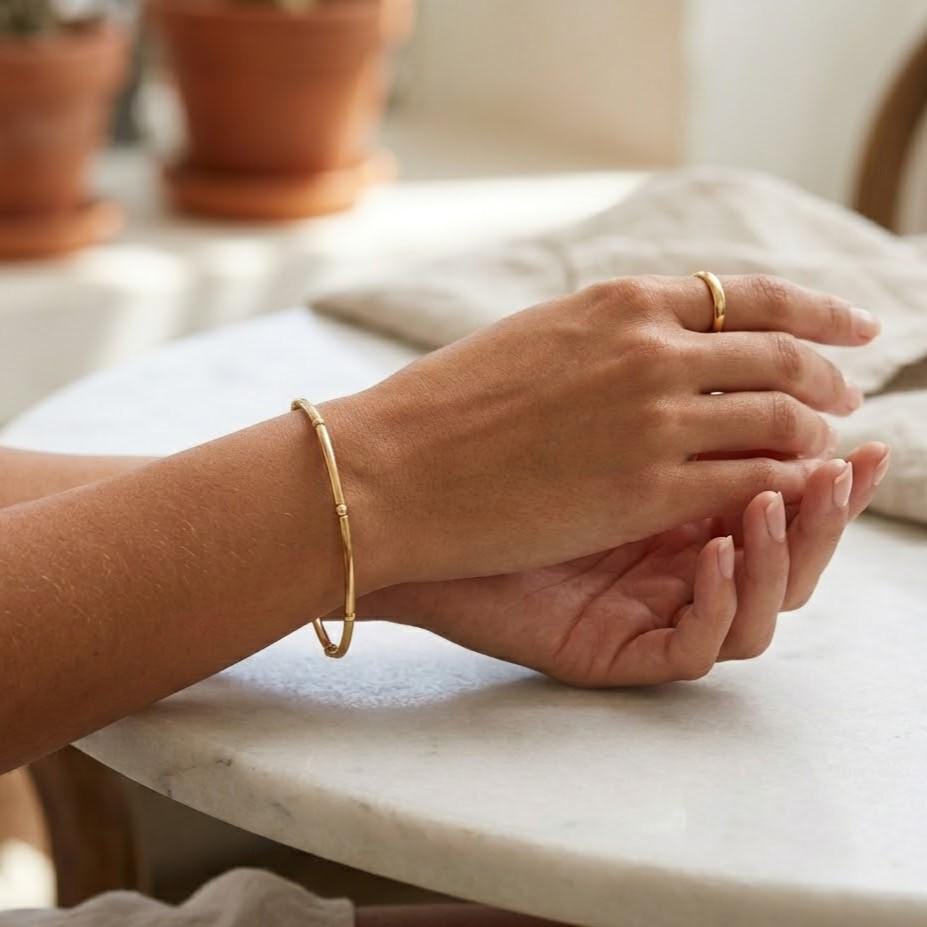
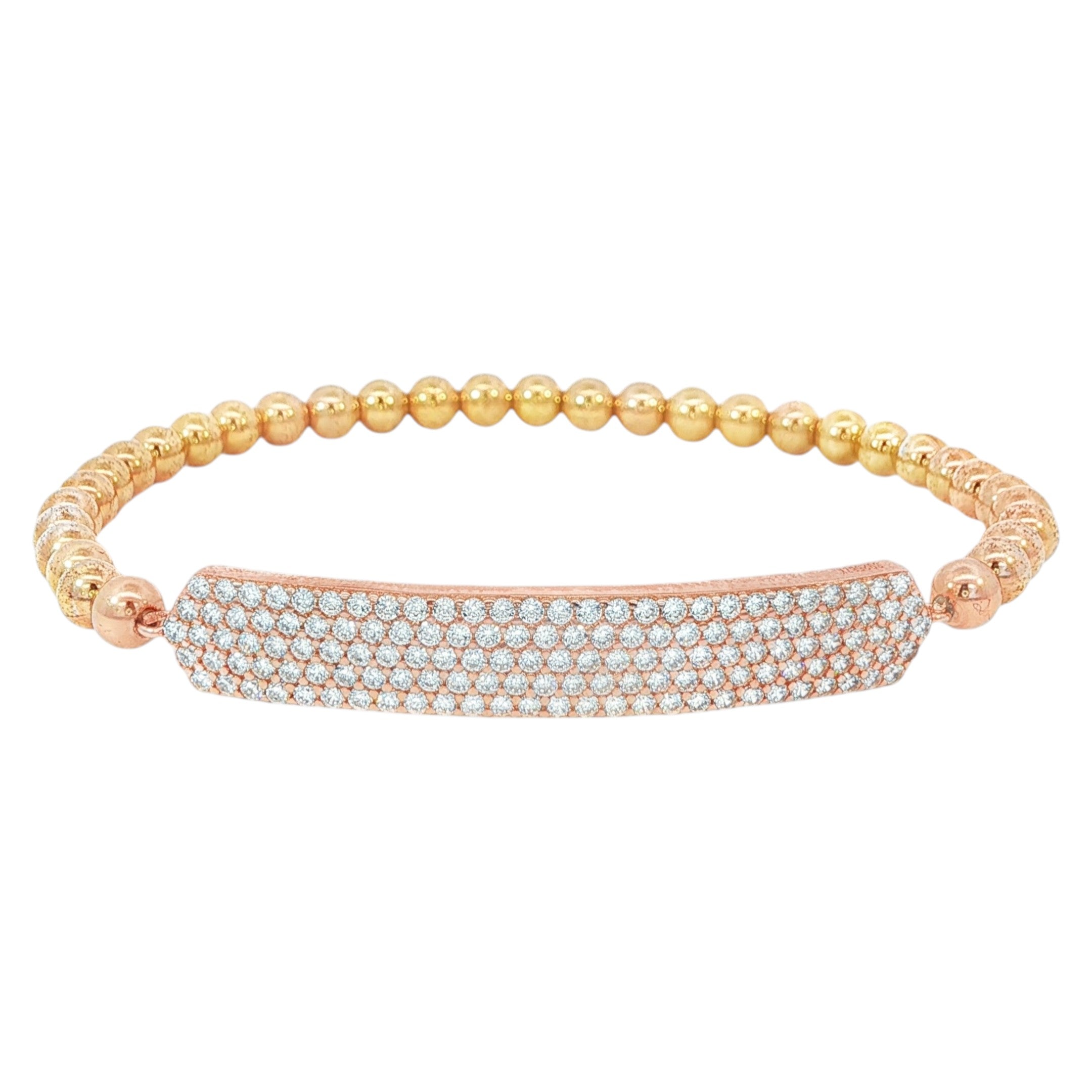
For everyday jewelry, both materials can work. The difference is how much exposure and friction the piece will receive.
A necklace worn to the office, during errands, and while going out for dinner may not experience extreme wear. In that situation, either gold filled or vermeil can be a practical choice when cared for properly.
Gold filled may make more sense if you want a piece specifically intended for frequent use and prefer a mechanically bonded gold layer.
Vermeil may suit you if the sterling silver base is important and you're comfortable being more careful with the surface.
Layering also deserves some attention. When several necklaces are worn together, the chains can move against one another throughout the day. Different chain weights, lengths, and textures can increase or reduce that friction.
If you regularly wear multiple necklaces, this necklace layering guide can help you think about how different chain styles work together.
For daily wear, the practical question is simple: how much contact will the jewelry experience, and are you willing to care for the finish?
Water is one of the biggest points of confusion in the gold filled vs gold vermeil comparison.
Neither material should automatically be called waterproof simply because it belongs to one category.
Showering exposes jewelry to water, soap, shampoo, body wash, and changes in temperature.
Occasional exposure doesn't mean the gold layer will immediately disappear. Repeated exposure, however, adds unnecessary moisture and product contact.
Removing jewelry before showering is the safer approach for both gold filled and gold vermeil.
Brief contact with water is different from deliberately keeping jewelry submerged every day.
If a necklace or bracelet gets wet while washing your hands, gently drying it afterward is usually more sensible than treating every drop of water as damaging.
Sweat introduces moisture and salts to the jewelry surface. If you wear jewelry during exercise, wiping it clean afterward can help reduce prolonged exposure.
Gold filled is generally well suited to regular wear, but that does not mean sweat and friction have no effect.
Vermeil can also handle normal wear, but repeated sweat combined with friction may gradually affect the gold surface.
Light rain is unlikely to cause immediate damage to either material.
The bigger concern is repeated or prolonged exposure, especially when moisture remains trapped around clasps, chains, or other areas.
Swimming is different from getting caught in the rain.
Chlorine can be particularly harsh on jewelry, while salt water and prolonged moisture can also affect surface finishes. Removing gold filled or gold vermeil jewelry before swimming is the safer choice.
If a particular jewelry product is marketed as waterproof, that is a product-specific claim. It should not be treated as a universal property of every gold-filled or vermeil piece.
Gold vermeil can change over time, but that doesn't mean every vermeil piece will tarnish quickly.
The gold surface acts as a barrier over the sterling silver underneath. As long as that surface remains intact, the silver has less direct exposure to the surrounding environment.
The situation changes when the gold layer becomes worn.
Areas exposed to constant friction can gradually lose some of their surface gold. Once the underlying sterling silver is exposed, it can react with moisture, air, and certain chemicals.
Perfume, lotions, cleaning products, sweat, and prolonged moisture can also affect the appearance of the jewelry.
How quickly this happens depends on the individual piece and how it is worn.
A vermeil necklace worn occasionally and stored properly may maintain its finish for a long time. A ring exposed to constant friction may show wear sooner.
Gold filled jewelry is highly resistant to tarnishing when the gold layer remains intact.
The mechanically bonded gold surface protects the underlying metal from direct exposure, which is one reason gold filled is commonly used for jewelry designed for regular wear.
That does not mean it is chemically invulnerable.
Chlorine, harsh cleaning chemicals, perfume, lotions, and repeated abrasion can affect the surface over time. Scratches can also expose more of the underlying material.
Storage matters too. Throwing several pieces into the same jewelry dish creates unnecessary rubbing and can lead to scratches.
For practical maintenance, these gold-filled jewelry care tips cover cleaning, storage, chemical exposure, and everyday handling.
This is one area where you should avoid blanket claims.
Gold vermeil has sterling silver underneath the gold.
Gold filled has a base-metal core.
That difference may matter to someone who has sensitivity to a particular metal, but the material category alone cannot guarantee that a piece will be comfortable for every person.
The exact alloy composition matters, especially if you already know that you react to a particular metal such as nickel.
You also need to consider wear. If the gold surface becomes damaged or worn in a particular area, the underlying material can become more relevant to skin contact.
So, neither gold filled nor gold vermeil should automatically be described as hypoallergenic.
If you have a known metal sensitivity, check the specific product's material details and consider your previous reactions before buying.
Both can have a genuine gold appearance because both use real gold on the visible surface.
Color depends partly on karat. A 14K gold surface will not necessarily look identical to a higher-karat gold surface because the alloy composition affects the color.
The finish also matters. Polished jewelry reflects light differently from brushed or textured jewelry.
When new, high-quality gold filled and gold vermeil pieces can both look rich, warm, and polished. The difference usually isn't obvious simply by looking at the surface.
The bigger difference appears in the construction underneath.
That is why photographs aren't enough when you're shopping. A product can look like gold while being gold filled, vermeil, gold plated, or solid gold.
Always check the material description.
There isn't a universal rule that gold vermeil always costs more than gold filled, or vice versa.
Gold filled uses a substantial gold layer over a base-metal core.
Gold vermeil uses sterling silver underneath the gold, along with a qualifying gold coating.
But the material is only one part of the final price.
Other factors include:
A simple vermeil necklace can cost less than a heavier gold-filled design. A detailed vermeil piece can also cost more than a basic gold-filled chain.
If you're comparing prices, look at the actual specifications instead of assuming that one material category always costs more.
For shoppers also comparing these options with solid gold, this gold filled vs solid gold comparison explains how construction changes the price and material value.
There is no fixed lifespan that applies to every gold-filled or gold vermeil piece.
Claims such as "vermeil always lasts one to three years" or "gold filled always lasts ten years" make the comparison sound simpler than it really is.
Jewelry doesn't experience identical conditions.
A necklace worn twice a month is going to experience very different wear from a bracelet worn every day. A ring usually receives more friction than a pendant that hangs against a shirt.
Lifespan depends on:
Gold filled is generally suited to repeated wear because of its mechanically bonded construction. Vermeil can also provide good durability, especially when the piece is worn thoughtfully and protected from unnecessary abrasion.
Neither should be treated as a material with a guaranteed expiration date.
These three terms are often mixed together, but they describe different constructions.
Gold filled: A gold-alloy layer is mechanically applied and bonded to a base-metal core. Qualifying gold-filled jewelry generally uses a substantial gold layer measured by weight.
Gold vermeil: Gold is applied over sterling silver. Under the U.S. standard, the gold must meet minimum karat and 2.5 micron thickness requirements.
Gold plated: A gold coating is applied to another metal. The underlying metal does not have to be sterling silver, so ordinary gold plating should not automatically be called vermeil.
All three can look similar when new.
The difference is in what sits underneath the gold and how the gold layer is applied.
That distinction becomes much more important as the jewelry is worn.
The answer depends on what matters most to you.
If you're shopping specifically for this type of construction, you can browse the gold filled necklace collection and compare different necklace styles and designs.
There isn't a universal winner between the two.
For one shopper, the bonded construction of gold filled may be the deciding factor. For another, having sterling silver underneath the gold may matter more.
The important part is knowing what you're actually buying.
A few simple habits can reduce unnecessary wear.
Apply perfume, lotion, sunscreen, and similar products before putting on your jewelry. Avoid chlorine and harsh household chemicals. If your jewelry gets heavily exposed to sweat or moisture, gently wipe it afterward.
Store pieces separately rather than allowing chains and bracelets to rub against each other. A soft pouch or lined jewelry box works well.
Be especially careful with chains. Constant rubbing between several necklaces can gradually affect their surfaces.
Avoid aggressive polishing or abrasive cleaning products. The goal is to remove dirt without unnecessarily wearing down the surface.
If you're unsure how to clean a particular piece, follow the care instructions supplied with that jewelry rather than assuming every gold surface should be cleaned in the same way.
Neither is universally better. Gold filled has a mechanically bonded gold layer over a base-metal core, while gold vermeil has gold over sterling silver. Your choice depends on wear frequency, preferred construction, care habits, and budget.
Gold filled uses a mechanically bonded gold layer over a base-metal core. Gold vermeil uses a qualifying gold layer over sterling silver. Their construction and standards are different.
Gold filled is generally well suited to frequent wear because of its mechanically bonded construction. Vermeil can also last well, but repeated friction and abrasion can gradually wear away the surface gold.
Yes. Gold vermeil uses real gold or a gold alloy on the surface. Under the U.S. standard, the gold must meet the required karat and minimum thickness requirements.
Yes. Gold filled jewelry contains a genuine gold-alloy layer mechanically bonded to another metal. It is not solid gold throughout.
The gold surface helps protect the sterling silver underneath, but the finish can wear over time. If the silver becomes exposed, it can tarnish when exposed to air, moisture, and certain chemicals.
Gold filled is highly resistant to tarnishing when its gold layer remains intact. However, harsh chemicals, chlorine, abrasion, and damage to the surface can affect its appearance.
Neither material should automatically be considered waterproof. Removing jewelry before showering, swimming, or prolonged water exposure is a safer approach, especially when soaps, chlorine, or other chemicals are involved.
Gold filled is generally well suited to frequent everyday wear because of its bonded gold construction. Vermeil can also work for daily jewelry when it is cared for properly.
Not always. Price depends on gold karat, thickness, jewelry weight, design, workmanship, and brand. There is no universal price hierarchy between the two materials.
Share

Share information about your brand with your customers. Describe a product, make announcements, or welcome customers to your store.